Simplified explanation

Assessment 4
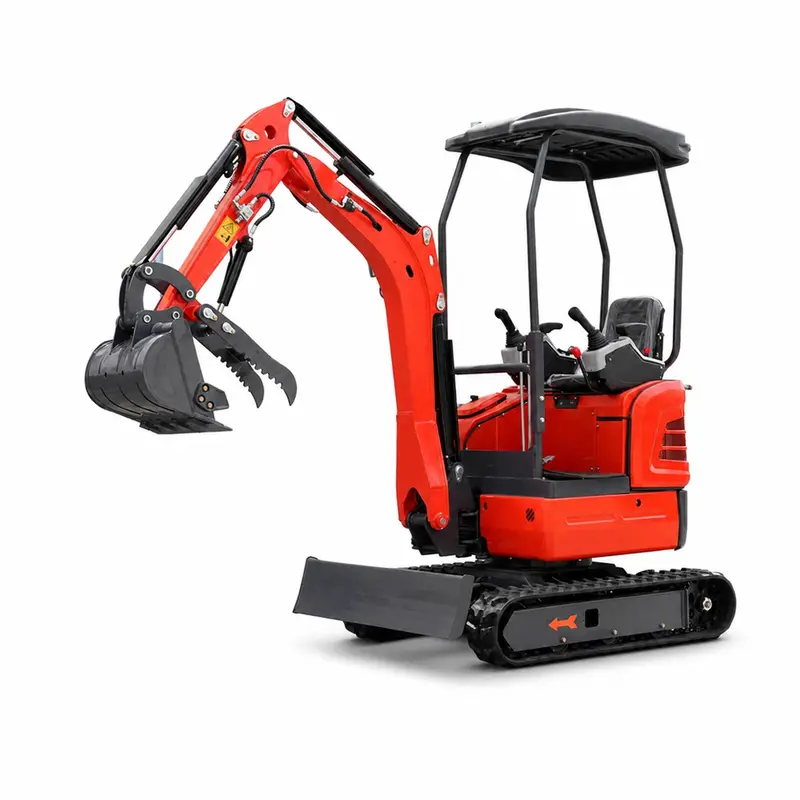
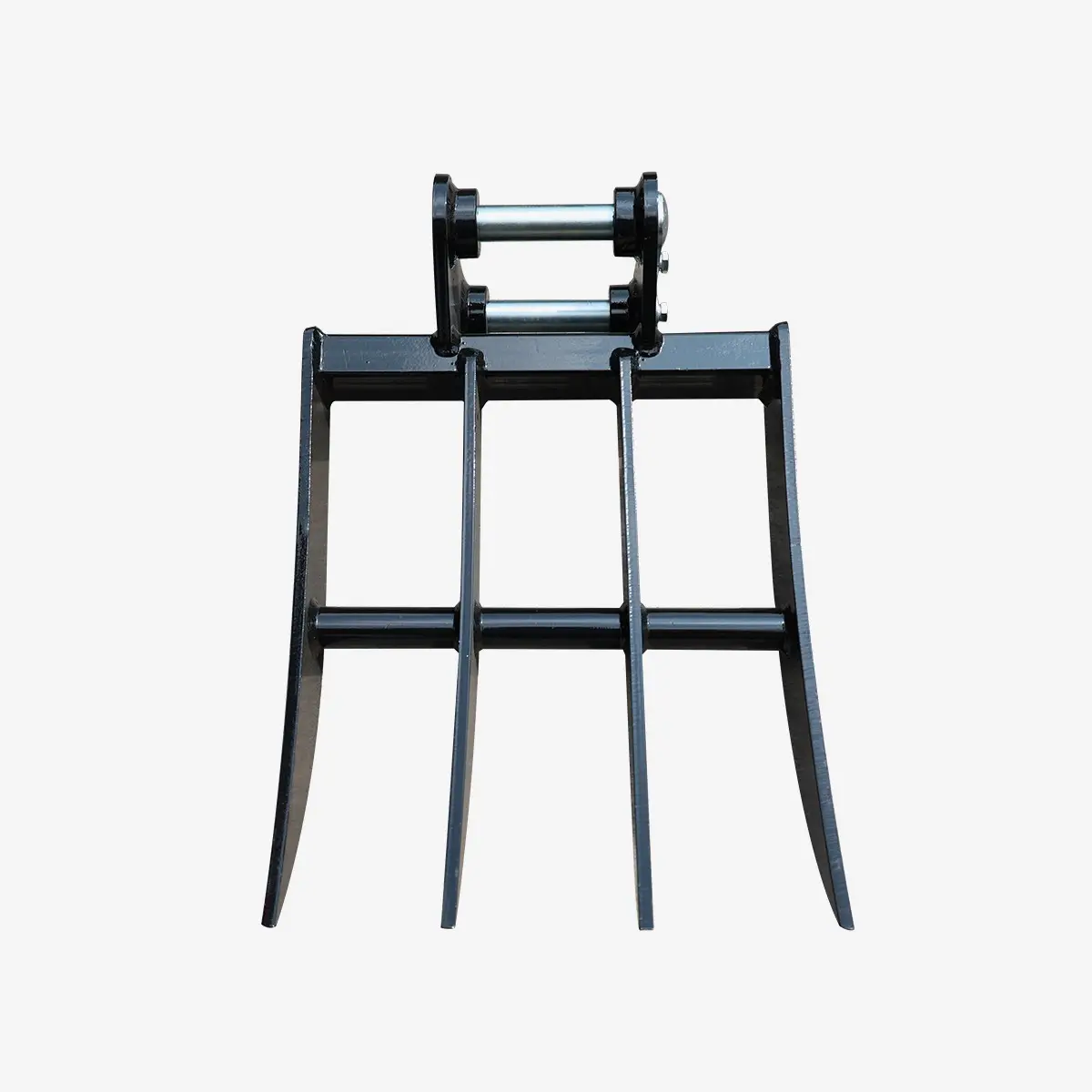
The fixed-link thumb works with the bucket to retain branches, stones and irregular material.


Construction, Earthmoving and Site Operations with Excavators
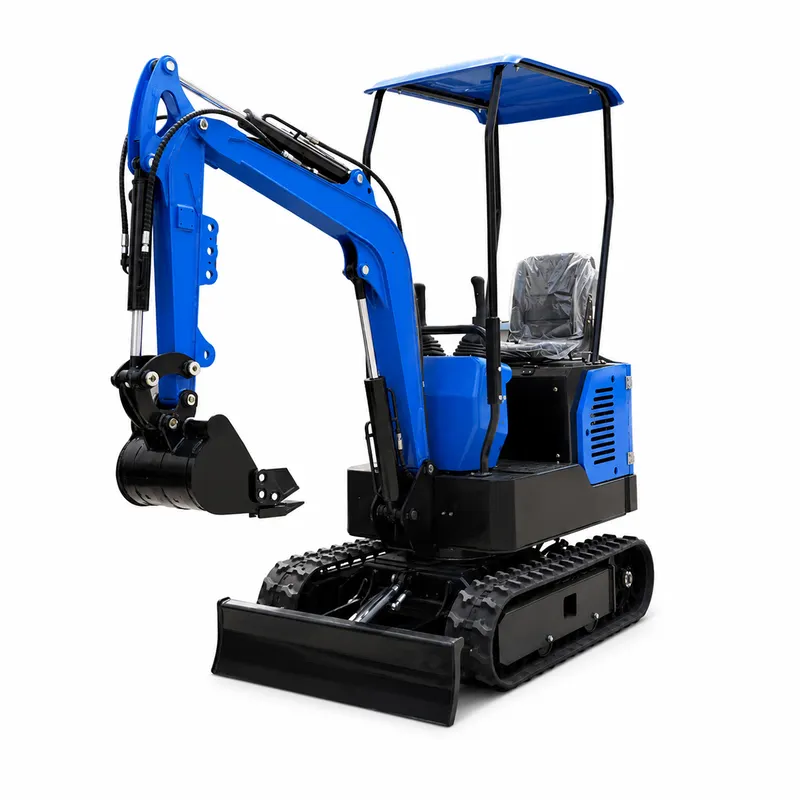
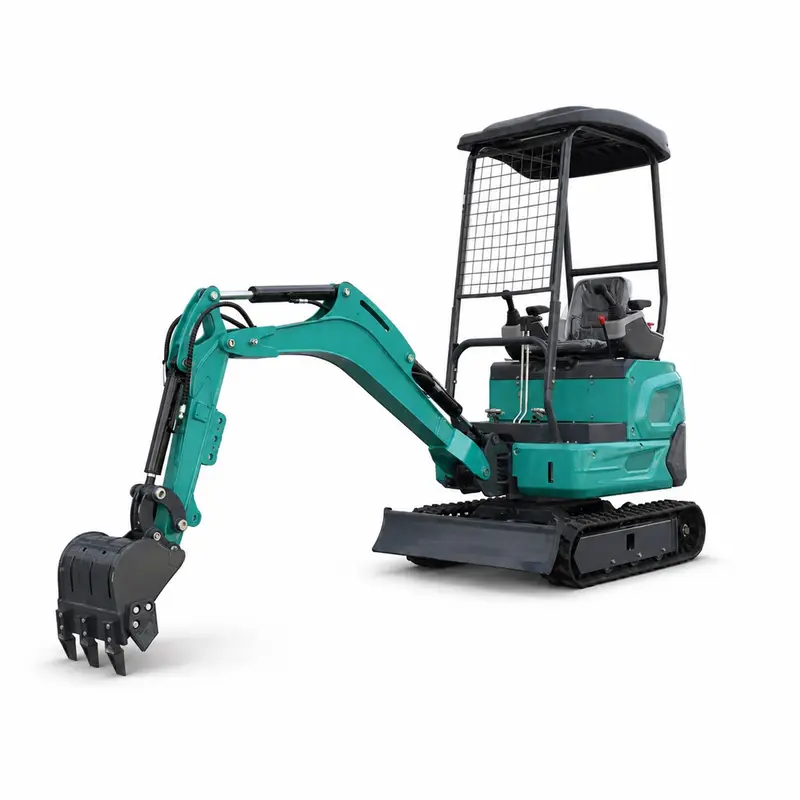
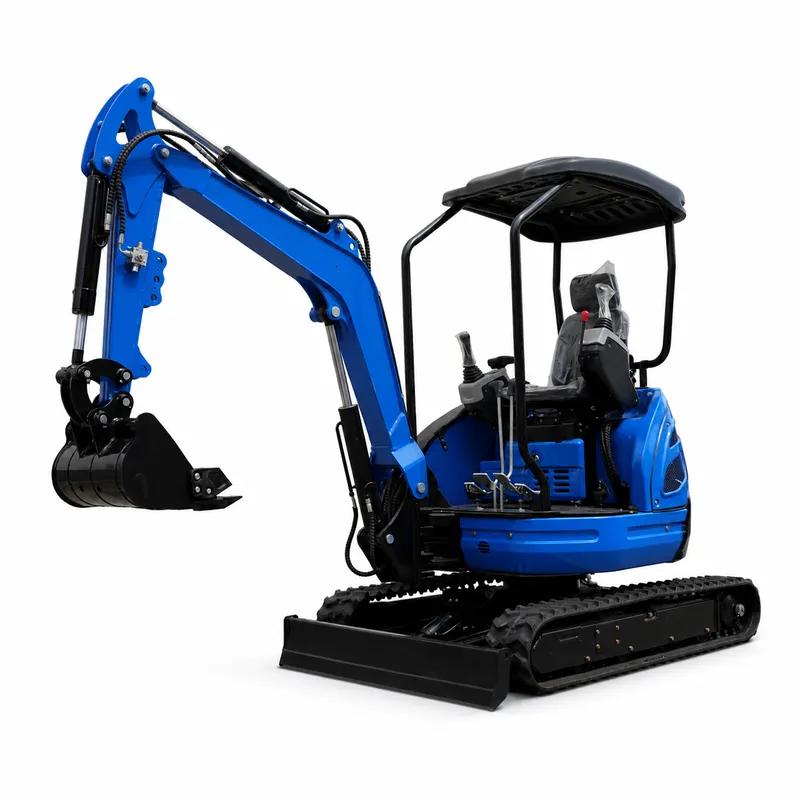
Excavators is suited to construction sites, utility work, landscaping and earthmoving projects. It supports excavation, compaction, drilling or site preparation matched to access, ground and workload. Before deployment, confirm operating weight, working range, power, ground pressure, attachment needs and transport limits.
Durable 180 mm rubber tracks deliver steady traction and smooth travel. Combined with a 1,300 mm overall undercarriage width,.




excavator in operation: responsive, precise controls with smooth motion; stable swing, powerful digging, and coordinated multi-function actions for efficient, reliable work.
00:25excavator in operation: responsive, precise controls with smooth motion; stable swing, powerful digging, and coordinated multi-function actions for efficient, reliable work.
00:55JH-20 excavator demonstration: live machine operation — digging, swinging, loading in one smooth flow; ample power and visible efficiency, real performance shown in real working conditions
00:46Mini crawler excavator being loaded into shipping container.
00:59Product packaging: materials selected to specification, each unit inspected and properly boxed, sealed firmly with clear labeling; packaging records are traceable, keeping products intact in transit
Real on-site records from our factory, offering a practical view of our production capability and delivery readiness.
We centrally purchase equipment, test the data and the machine, then publish the models that clear our review. You get a shorter path from "could work" to a quote your team can act on.
Qualification Documents
Our team is ready to advise you on the best product configuration and procurement plan.
info@eascoutia.com400 158 58991. It is commonly used for construction sites, utility work, landscaping and earthmoving projects, subject to the selected model and site conditions.
2. Match operating weight, working range, power, ground pressure, attachment needs and transport limits to the actual workload and operating environment.
3. Confirm model, power, working attachment, cab or control type and spare parts, then verify the response time and any special requirements.
4. Prepare safe unloading space, stable ground, operator training and fluid, fastener and safety-device checks; follow the manual for operation, inspection and routine maintenance.