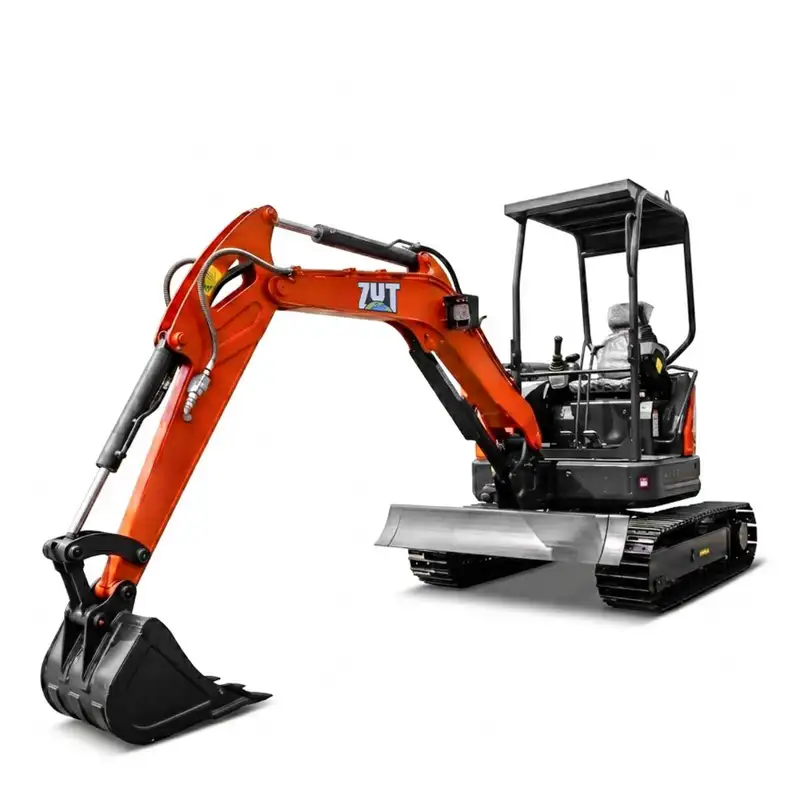
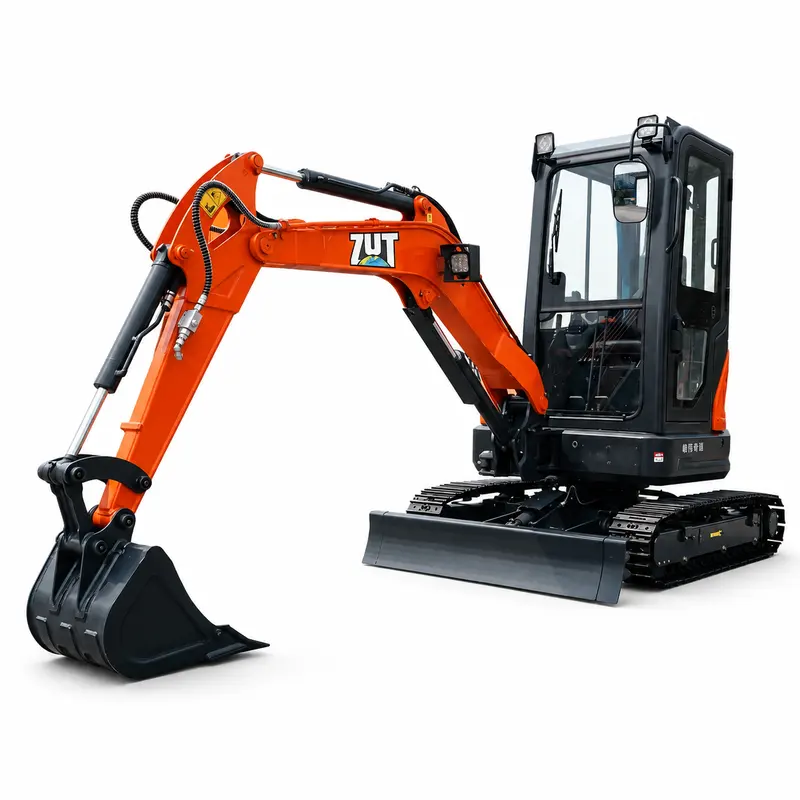
Simplified explanation

Assessment 4
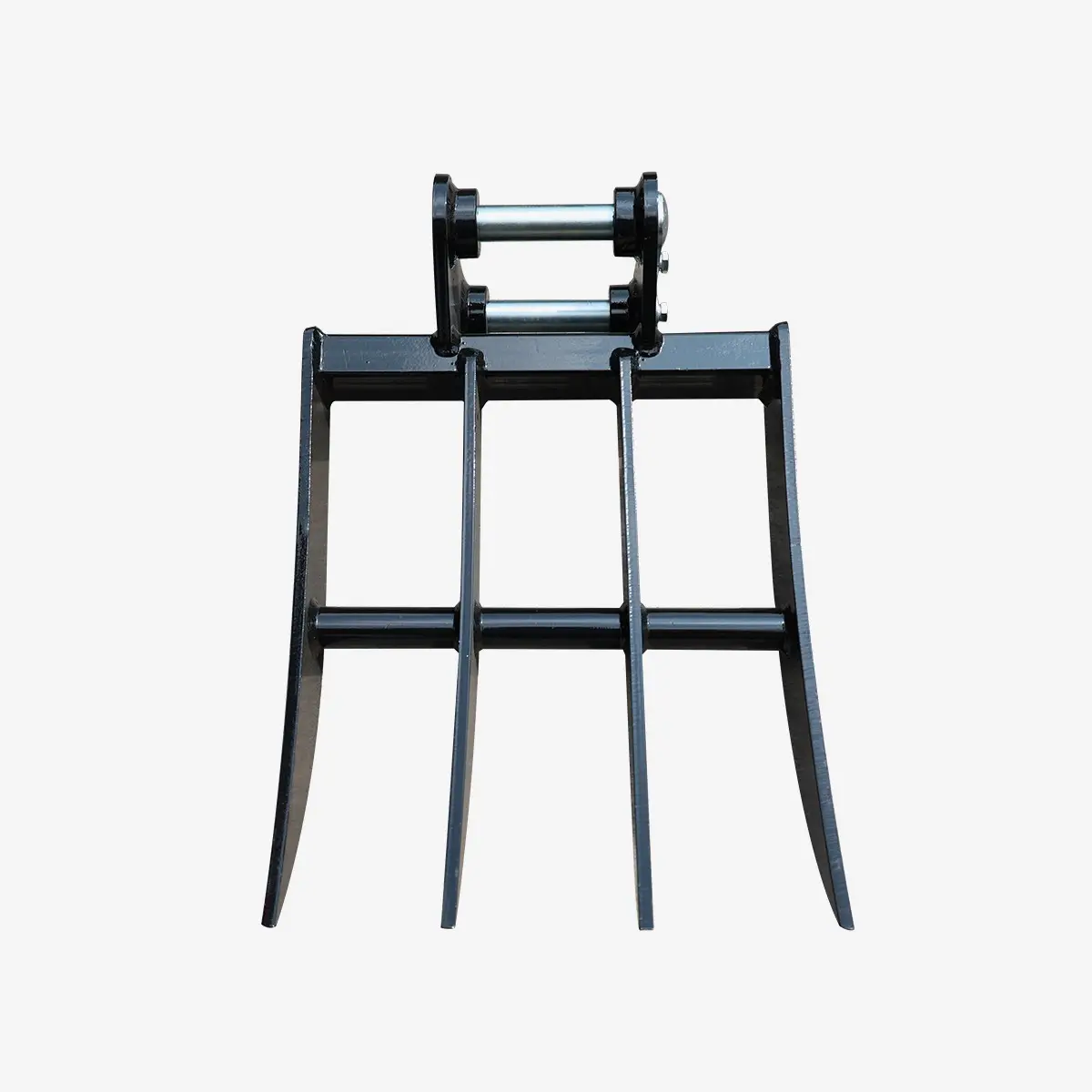
The fixed-link thumb works with the bucket to retain branches, stones and irregular material.


Construction, Earthmoving and Site Operations with Excavators
Excavators is suited to construction sites, utility work, landscaping and earthmoving projects. It supports excavation, compaction, drilling or site preparation matched to access, ground and workload. Before deployment, confirm operating weight, working range, power, ground pressure, attachment needs and transport limits.
The house pivots in place for instant repositioning — full productivity even in tight quarters.




Canopy, clamp and dozer blade all on board — a sharp, compact package all round.
00:34Canopy, clamp and dozer blade all on board — a sharp, compact package all round.
00:18Strong boom-and-arm structure with ample cylinder force — no sag even on heavy digs.
00:29Eye-catching orange-red panels and a sun-and-rain canopy — compact enough for yards and lanes.
00:27Orderly hydraulics, solid pins and quality track assemblies — built to take daily work.
00:23Clear twin-joystick layout with wide seating visibility — controls feel natural from day one.
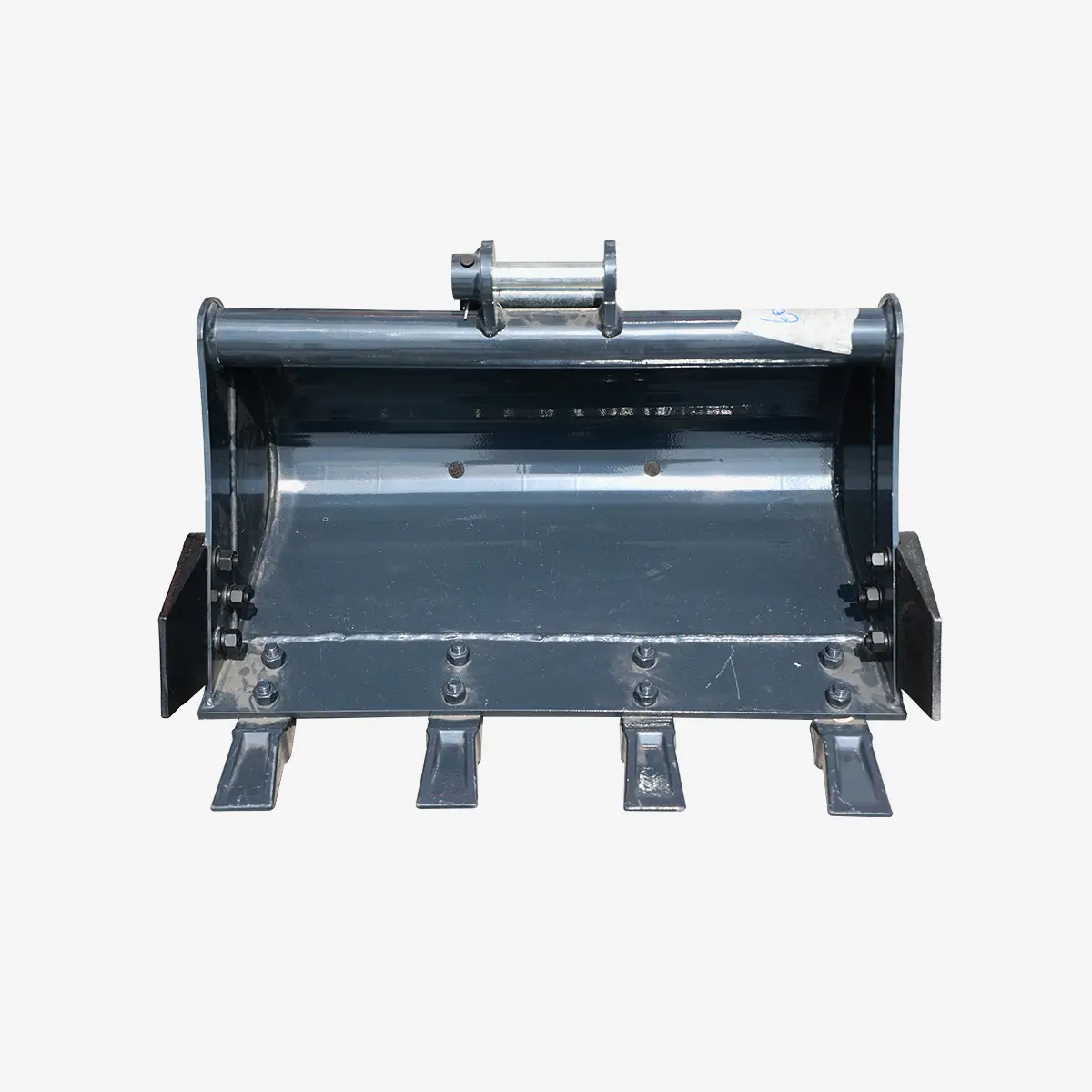
00:38Bucket digs, clamp grips and the house swings to drop — one smooth, productive cycle.
00:53Dig with the bucket, carry with the clamp — one compact digger doubles your job range.
00:33Machines braced inside containers and shipped by road and sea — tracked all the way to your site.
Real on-site records from our factory, offering a practical view of our production capability and delivery readiness.
We centrally purchase equipment, test the data and the machine, then publish the models that clear our review. You get a shorter path from "could work" to a quote your team can act on.
Our team is ready to advise you on the best product configuration and procurement plan.
info@eascoutia.com400 158 58991. It is commonly used for construction sites, utility work, landscaping and earthmoving projects, subject to the selected model and site conditions.
2. Match operating weight, working range, power, ground pressure, attachment needs and transport limits to the actual workload and operating environment.
3. Confirm model, power, working attachment, cab or control type and spare parts, then verify the response time and any special requirements.
4. Prepare safe unloading space, stable ground, operator training and fluid, fastener and safety-device checks; follow the manual for operation, inspection and routine maintenance.