Intuitive operation and convenient adjustment.
 Reliable washing support for restaurant back kitchen cleaning.


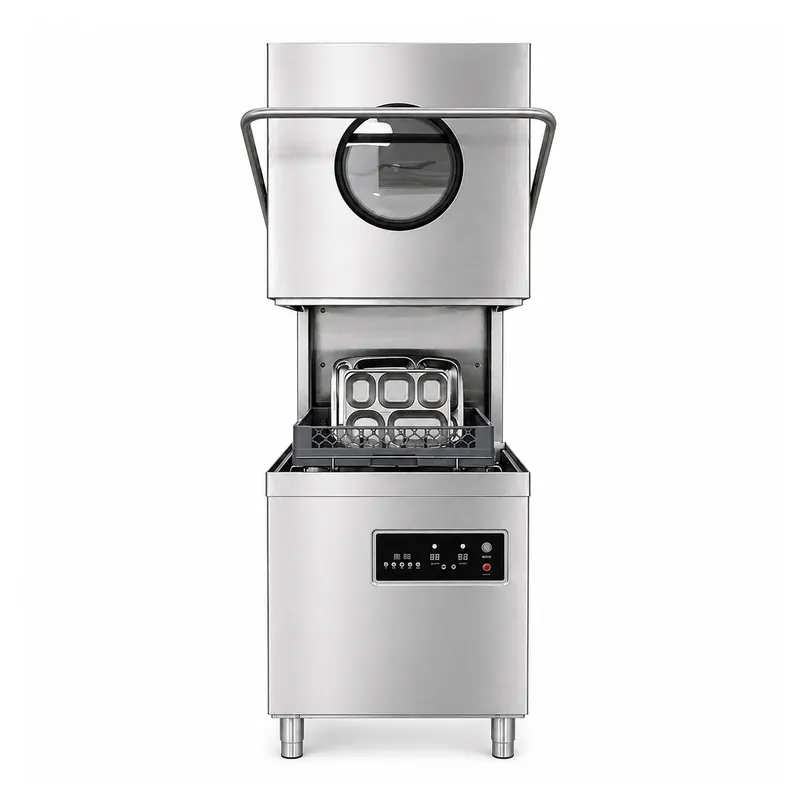
Commercial Kitchen and Food Processing with CSBH-120 Dishwasher
CSBH-120 is intended for restaurants, bakeries, food factories and commercial preparation areas. Confirm the selected configuration, batch capacity, food-contact materials, power supply, process speed, cleaning method and site conditions before deployment.
 Efficient washing support for commercial vegetable preparation.
 Practical washing support for institutional kitchen operations.Reliable washing support for restaurant back kitchen cleaning.
 Efficient washing support for vegetable processing workflows.Efficient washing support for commercial vegetable preparation.Practical washing support for institutional kitchen operations.
Uniform 28kHz Ultrasonic Cleaning

Intuitive operation and convenient adjustment.
Robust and durable, corrosion-resistant.
Stable and robust, with reliable operation.
High-frequency vibration for efficient cleaning.
Uniform aeration enhances the treatment effect.
Enhanced strength, aesthetically pleasing, and durable.
Comprehensive protection, easy maintenance.

All-stainless steel body, green top control panel with clear knobs, large square wash tank, and external drain valve for easy cleaning
00:49All-stainless steel body, green top control panel with clear knobs, large square wash tank, and external drain valve for easy cleaning
01:21One-touch heating and timer; ultrasonic power strips grease off dishes—load and wash, simple operation saves kitchen labor
We centrally purchase equipment, test the data and the machine, then publish the models that clear our review. You get a shorter path from "could work" to a quote your team can act on.
Our team is ready to advise you on the best product configuration and procurement plan.
info@eascoutia.com400 158 58991. It is commonly used for restaurants, bakeries, food factories and commercial preparation areas, subject to the selected model and site conditions.
2. Match batch capacity, food-contact material, power, process speed, cleaning method and output format to the actual workload and operating environment.
3. Confirm model, capacity, voltage, contact material and optional tooling, then verify the response time and any special requirements.
4. Prepare food-safe utilities, drainage or ventilation where needed and a documented sanitation routine; follow the manual for operation, inspection and routine maintenance.

 Simplified explanation
