Integrates travel, lift and emergency reverse functions for easy and quick operation.
 Stable pallet staging beside loading zones


Controlled component delivery along marked work lanes
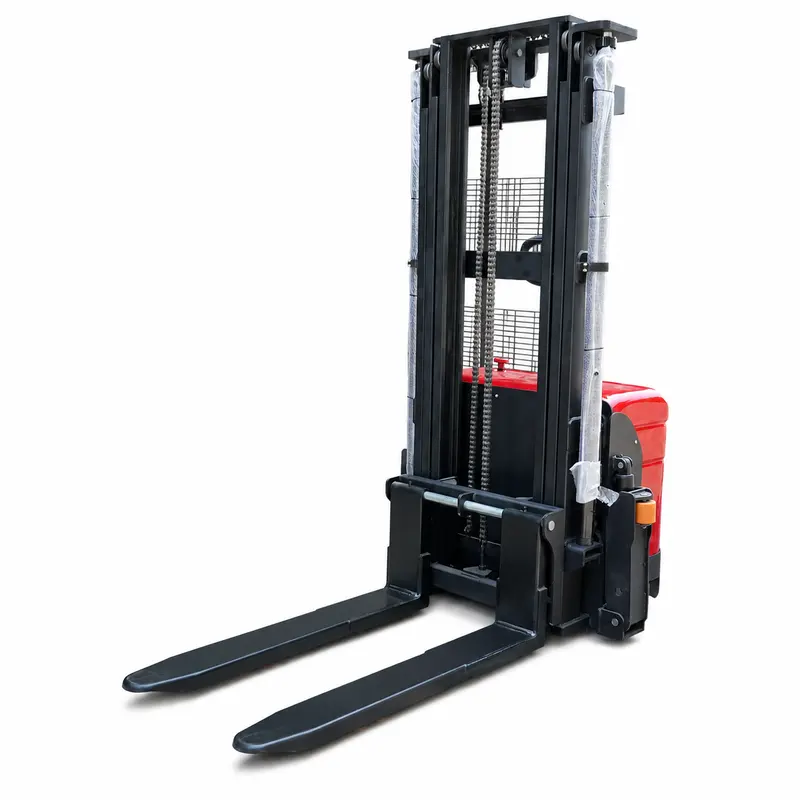
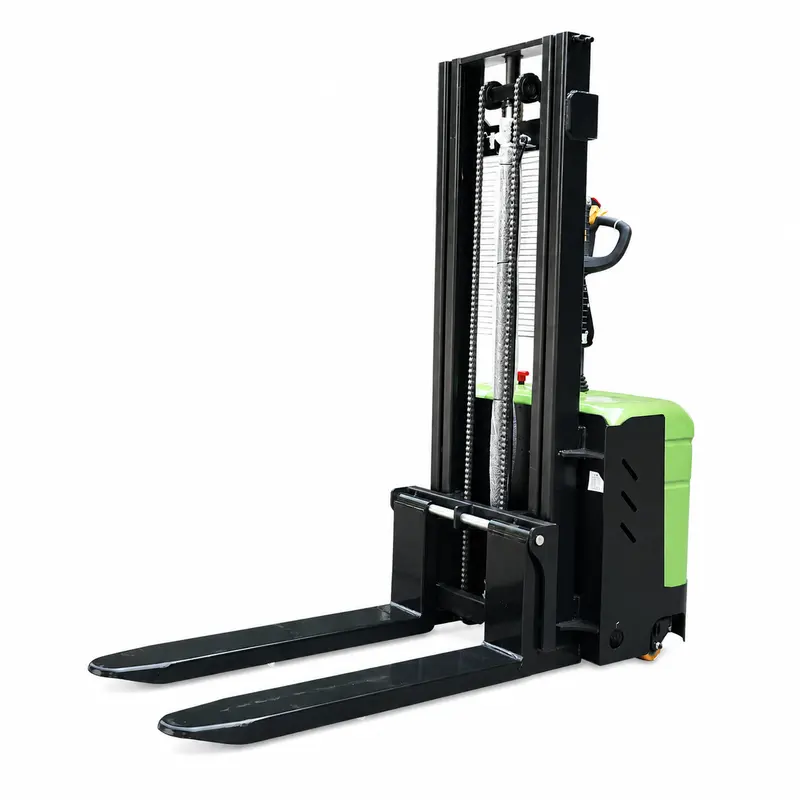
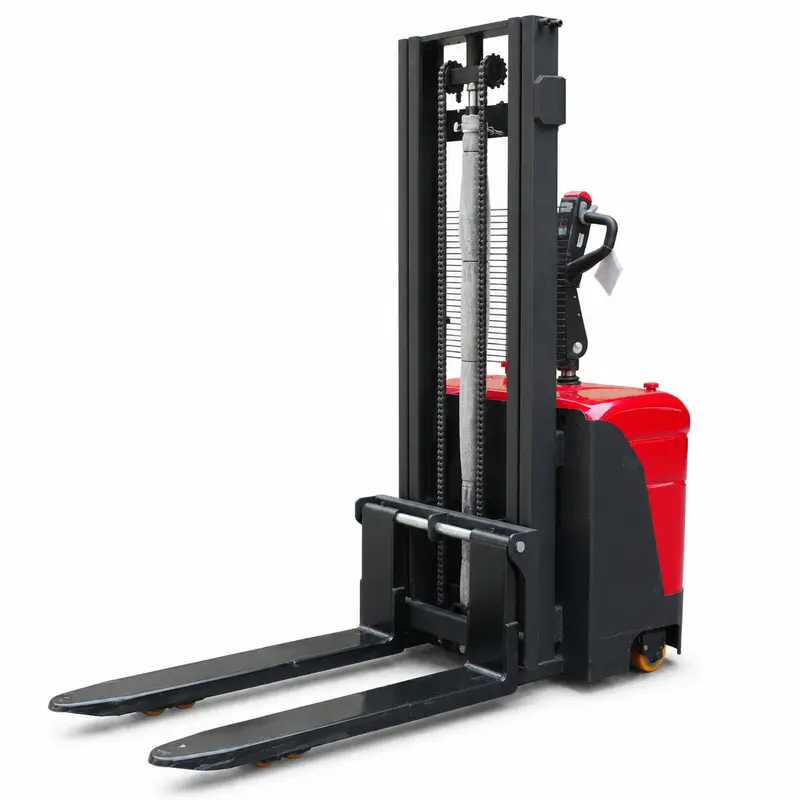
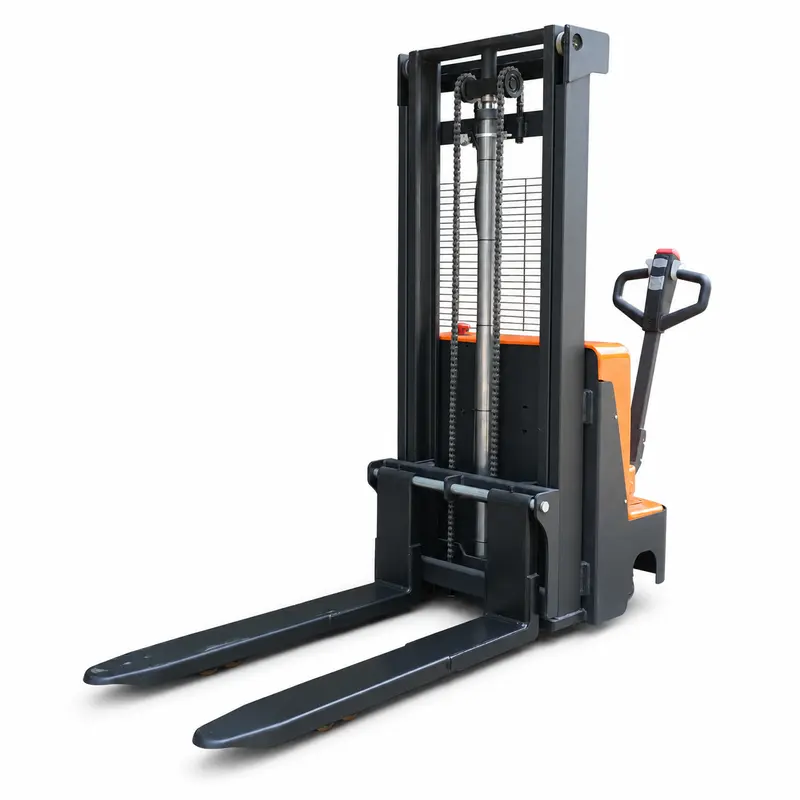
The walk-behind stacker supports controlled pallet lifting, short-distance movement and positioning in prepared warehouse, loading and production areas. Its simple side support legs provide a visible stabilizing contact for compatible pallet handling tasks, while the tiller and fork path support deliberate alignment without unsupported performance claims.
 Controlled component delivery along marked work lanes
 Extended side supports frame accurate fork entryStable pallet staging beside loading zones
 Visible support stance during pallet positioningControlled component delivery along marked work lanesExtended side supports frame accurate fork entry
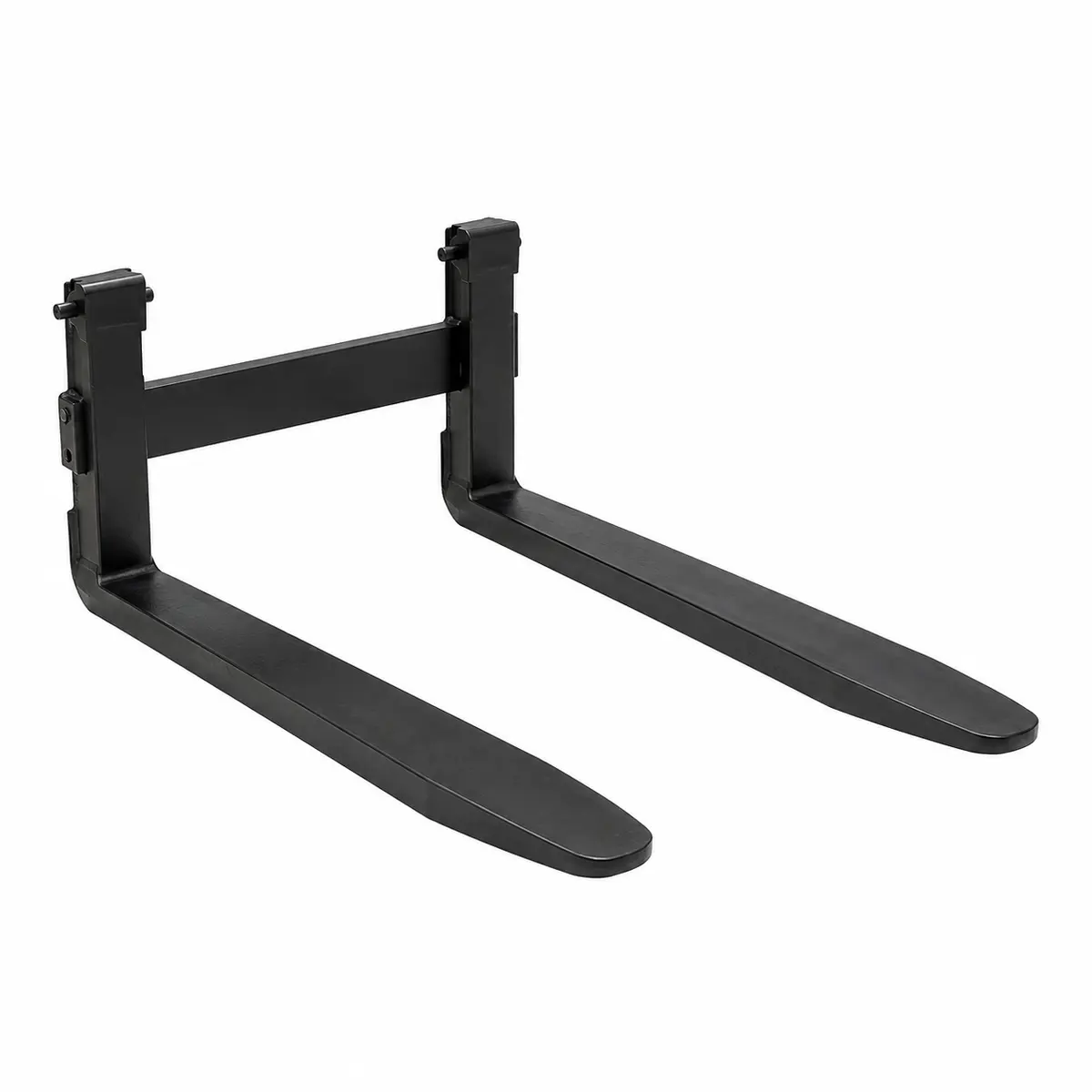
The forks enter beneath the load and lift it electrically, while powered walk-behind travel repositions it with less manual pushing and pulling.

Integrates travel, lift and emergency reverse functions for easy and quick operation.
Ergonomic circular grip ensures stable handling and flexible steering in narrow spaces.
Transmits steering signals steadily with rigid structure and smooth response.
Protects internal electrical and hydraulic components for daily use and maintenance.
Buffers impacts, protects chassis parts and improves equipment durability.
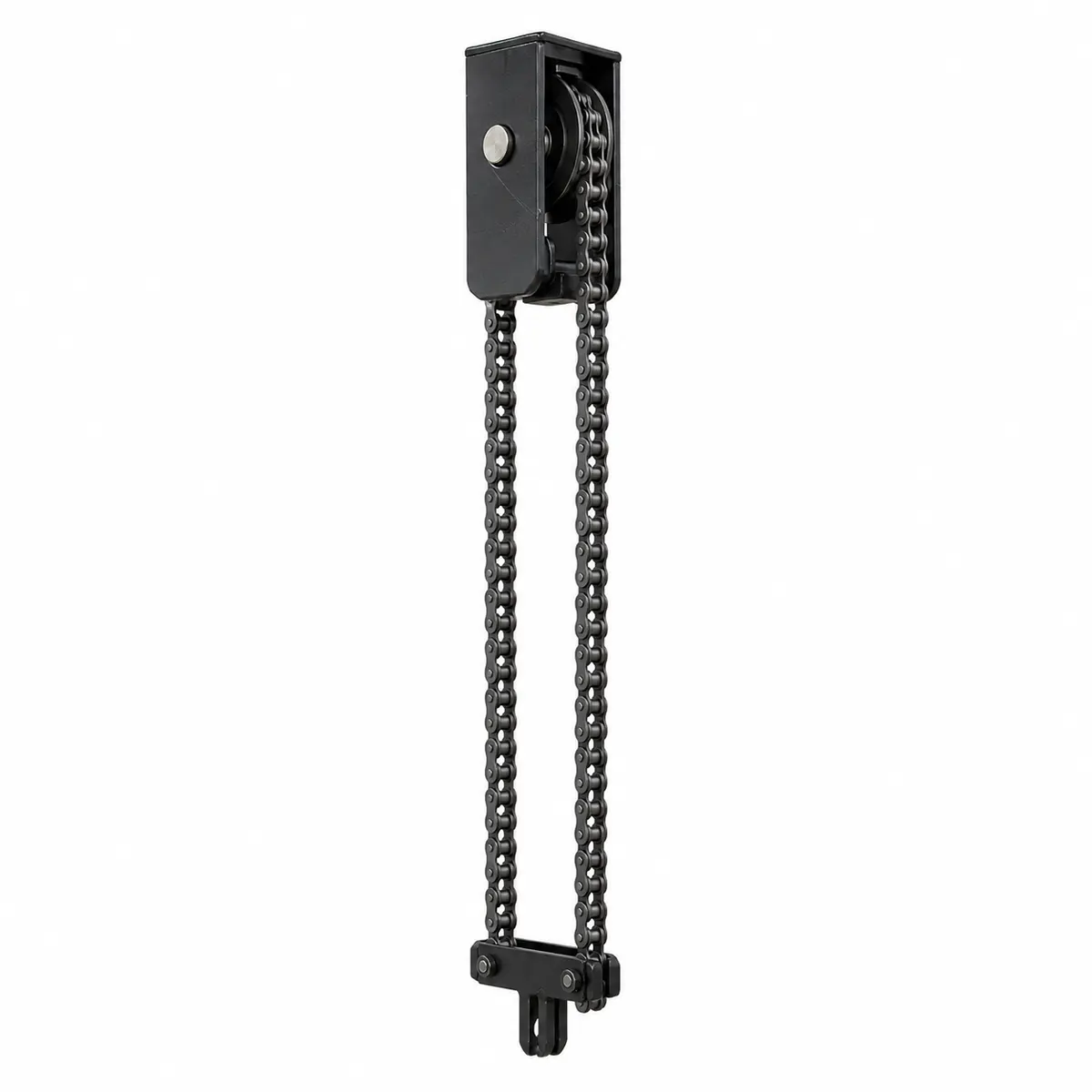
Provides stable hydraulic power for vehicle traveling and fork lifting.
High-strength mast ensures stable fork lifting for handling and stacking work.




Highlights the machine, mast, forks, simple side supports and controls.
00:38Highlights the machine, mast, forks, simple side supports and controls.
00:52Shows pallet handling, lifting and travel with side-support configuration.
00:33Machines braced inside containers and shipped by road and sea — tracked all the way to your site.
Real on-site records from our factory, offering a practical view of our production capability and delivery readiness.
We centrally purchase equipment, test the data and the machine, then publish the models that clear our review. You get a shorter path from "could work" to a quote your team can act on.
Our team is ready to advise you on the best product configuration and procurement plan.
info@eascoutia.com400 158 58991. It is commonly used for industrial parks, logistics routes, worksites and managed fleet operations, subject to the selected model and site conditions.
2. Match payload, dimensions, axle or tire specification, powertrain, route and regulatory requirements to the actual workload and operating environment.
3. Confirm model, color, payload, axle or tire specification and optional equipment, then verify the response time and any special requirements.
4. Prepare delivery inspection, approved registration where applicable and scheduled tire, brake and fluid checks; follow the manual for operation, inspection and routine maintenance.
 Simplified explanation
