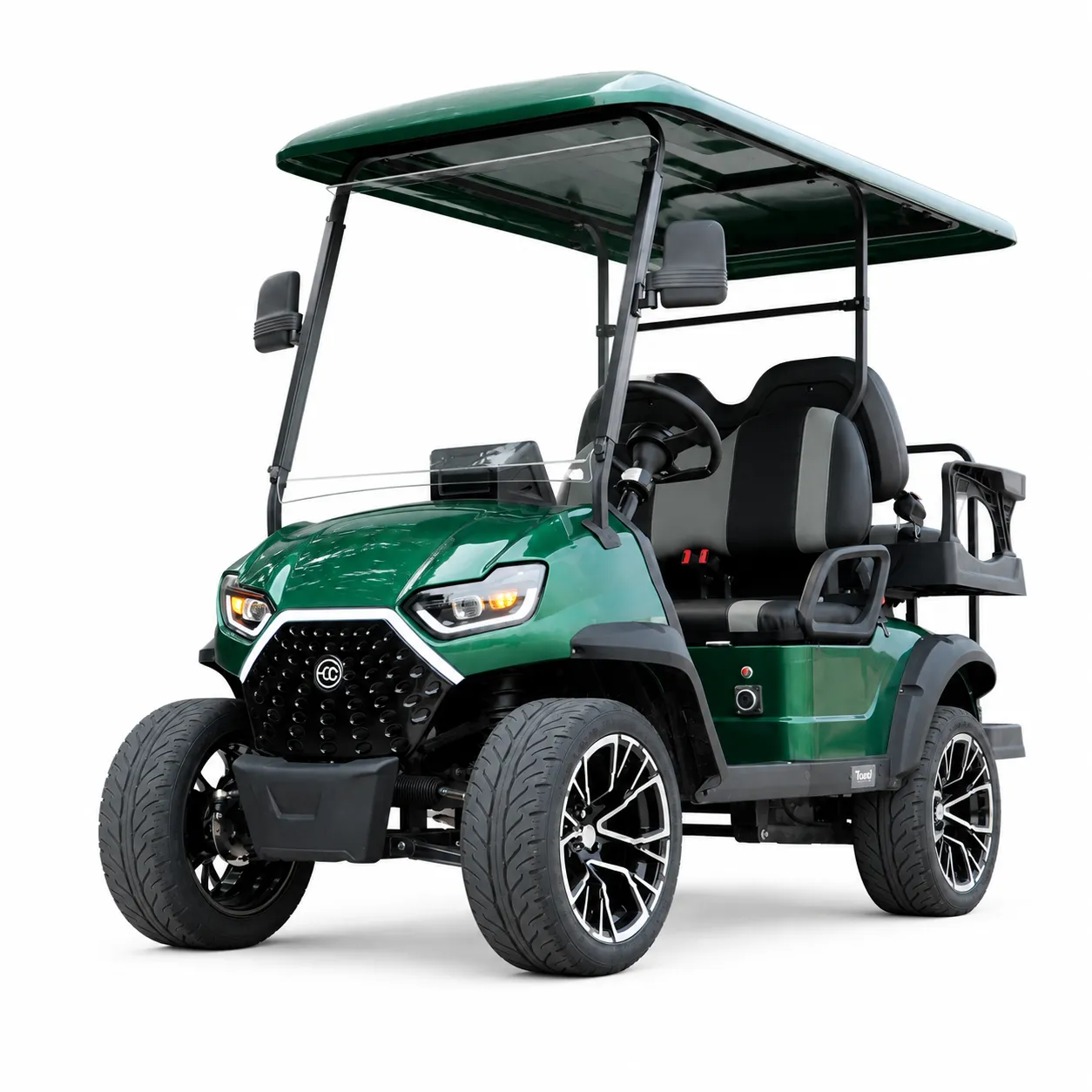
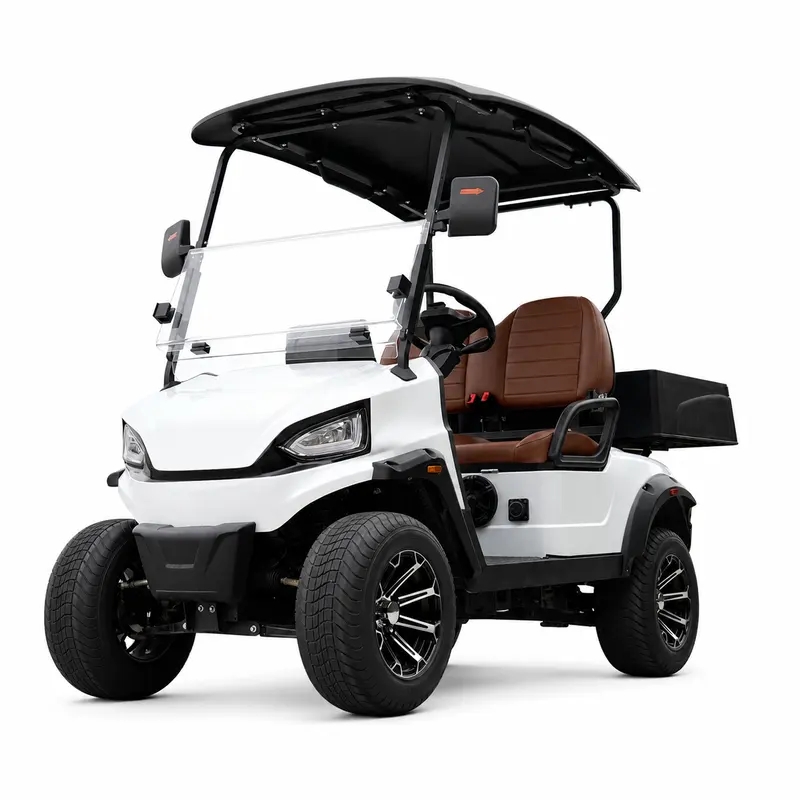
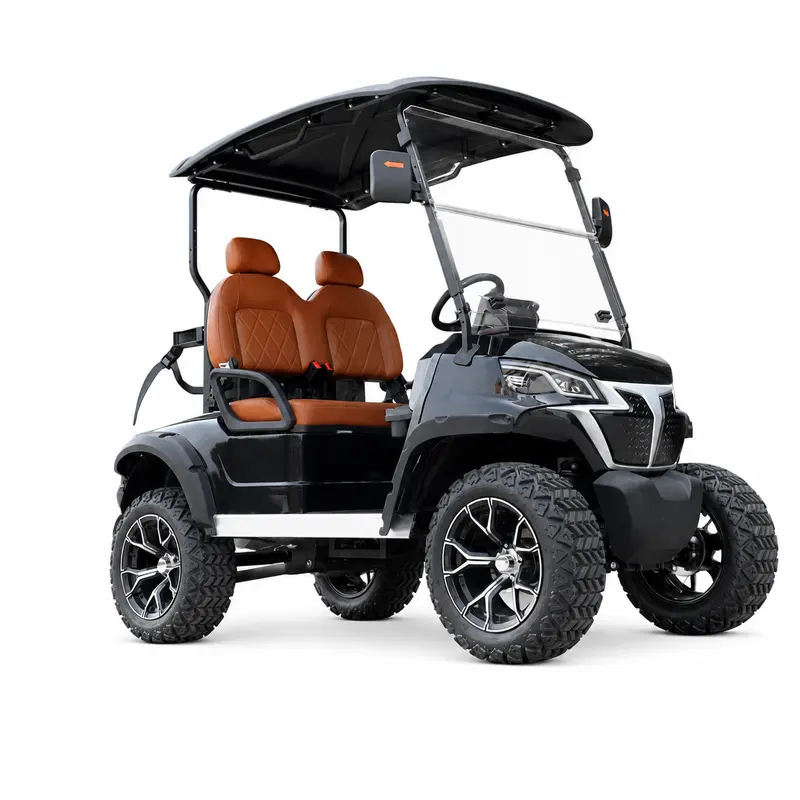
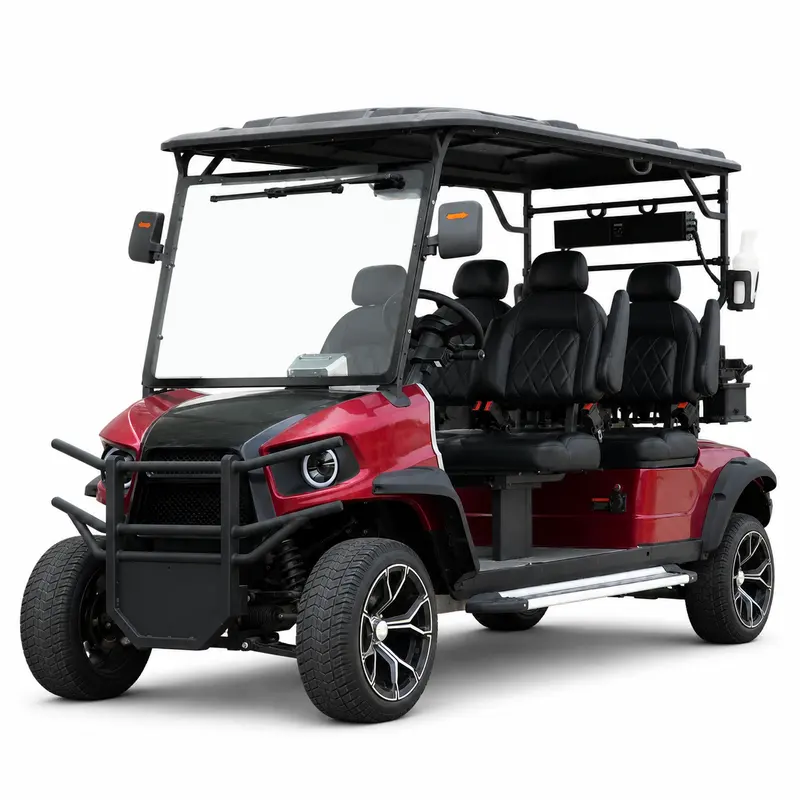
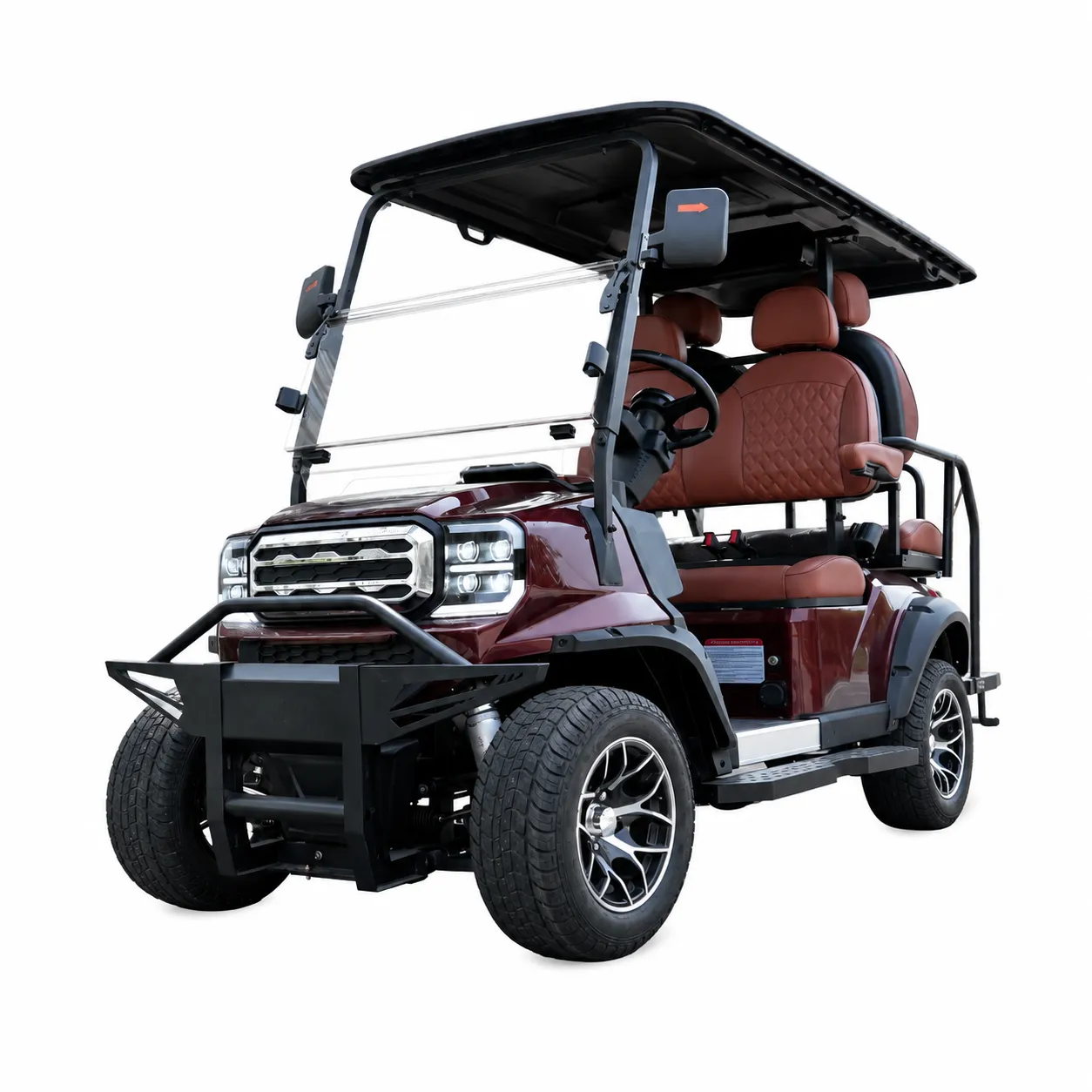
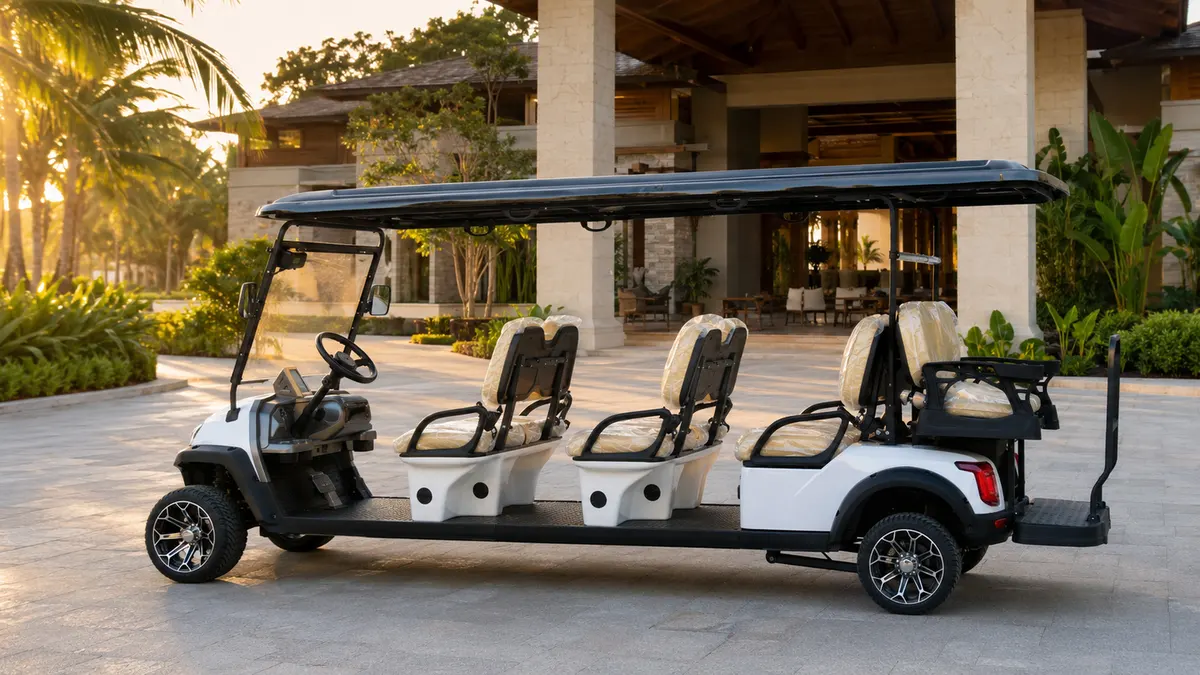
 Comfortable cruising for multiple passengers, enhancing the park’s visitor reception efficiency.
Commercial Transport and Fleet Operations with Golf
Professional application of Golf
Golf is suited to industrial parks, logistics routes, worksites and managed fleet operations. It supports passenger or cargo movement matched to route, load, speed and local operating conditions. Before deployment, confirm payload, dimensions, axle or tire specification, powertrain, route and regulatory requirements.
- Industrial Parks
- Logistics Routes
- Worksites
- Fleet Operations
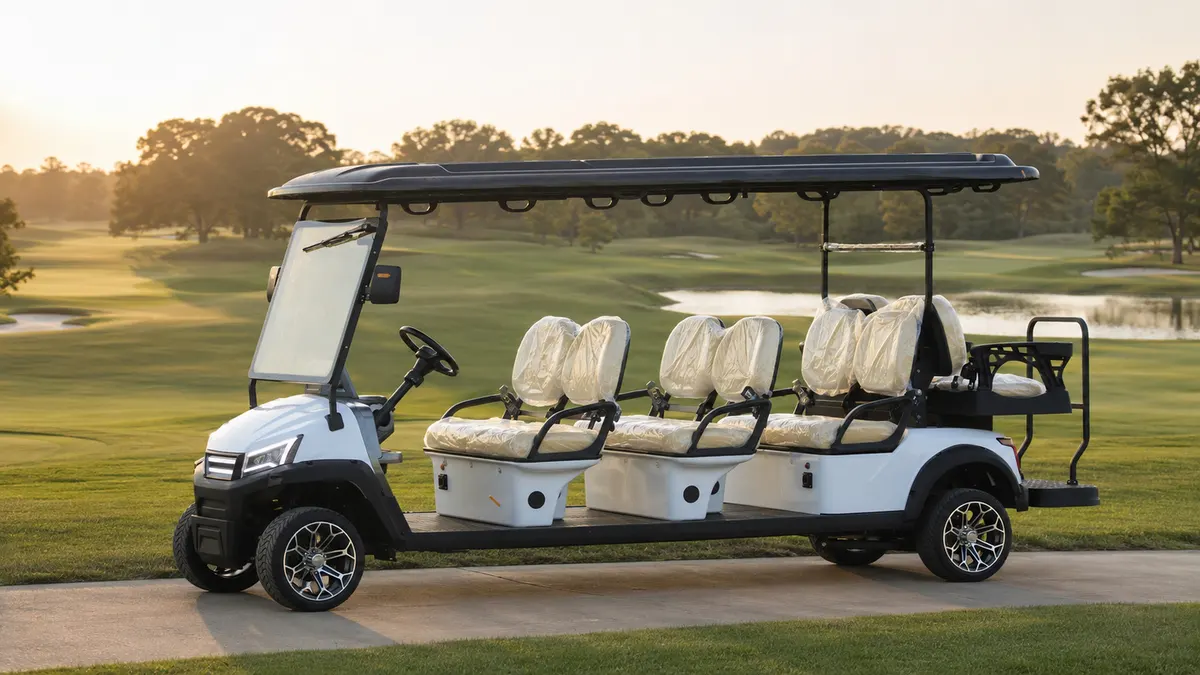 Eight spacious seats, perfect for group travel in one go.Comfortable cruising for multiple passengers, enhancing the park’s visitor reception efficiency.
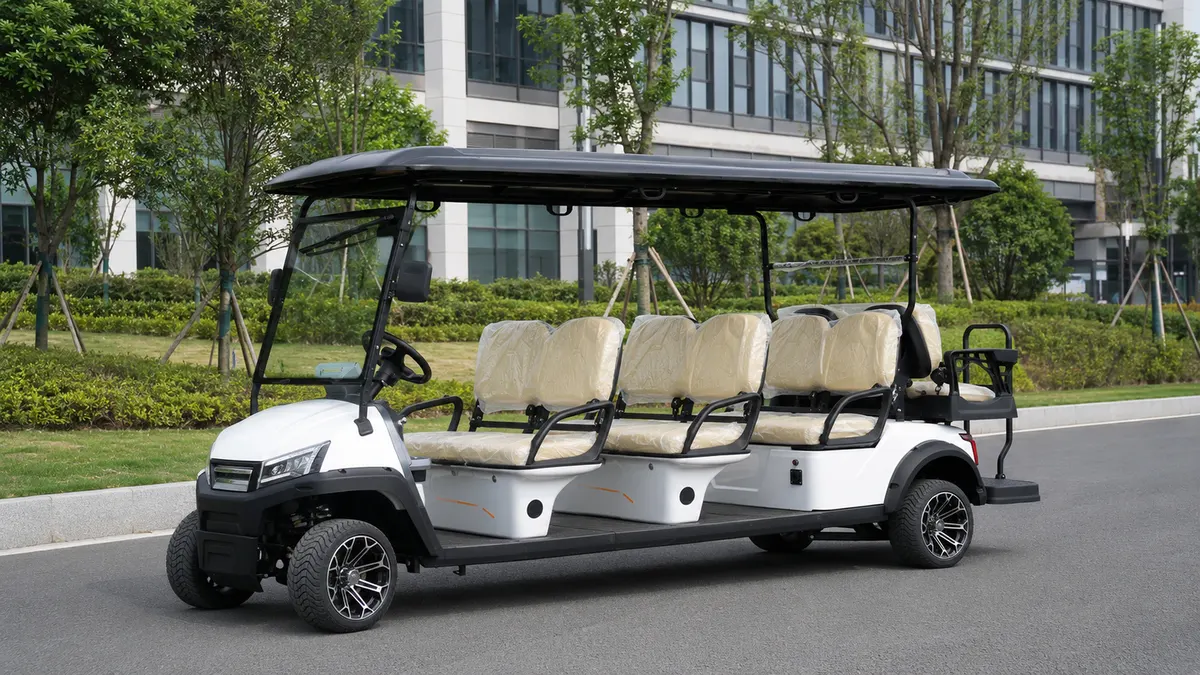 Seamlessly connects multiple locations, making daily commutes more efficient.Eight spacious seats, perfect for group travel in one go.Comfortable cruising for multiple passengers, enhancing the park’s visitor reception efficiency.
Specifications & Structural Decomposition
Product Structure Diagram
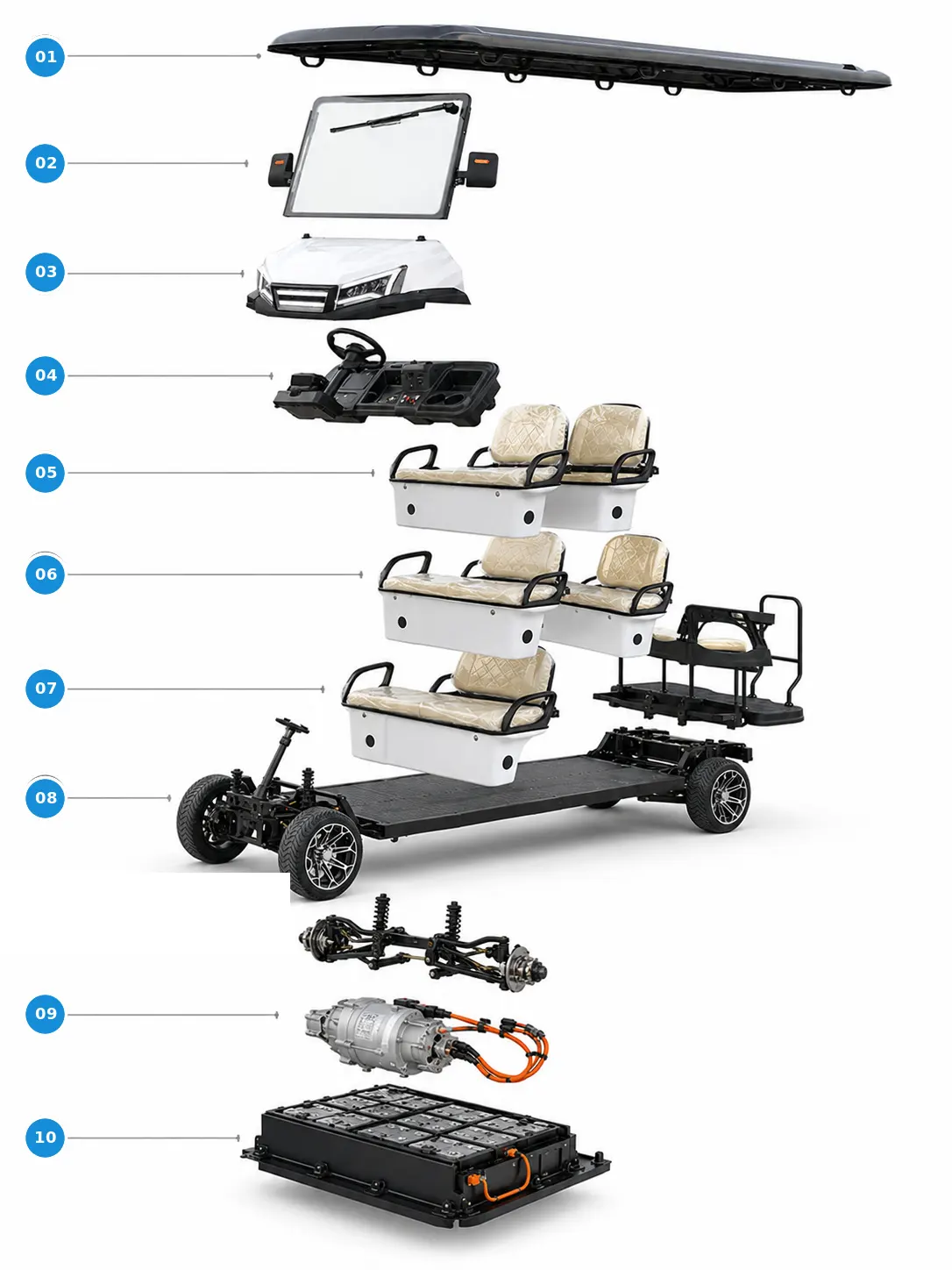
- Integrated extra-long roof canopy
- Tempered glass windshield
- LED headlight assembly
- Multi-function dashboard
- Double seat in the first row
- Second-row dual seats
- Second-row bench seat and rear-facing flip-down seats
General information
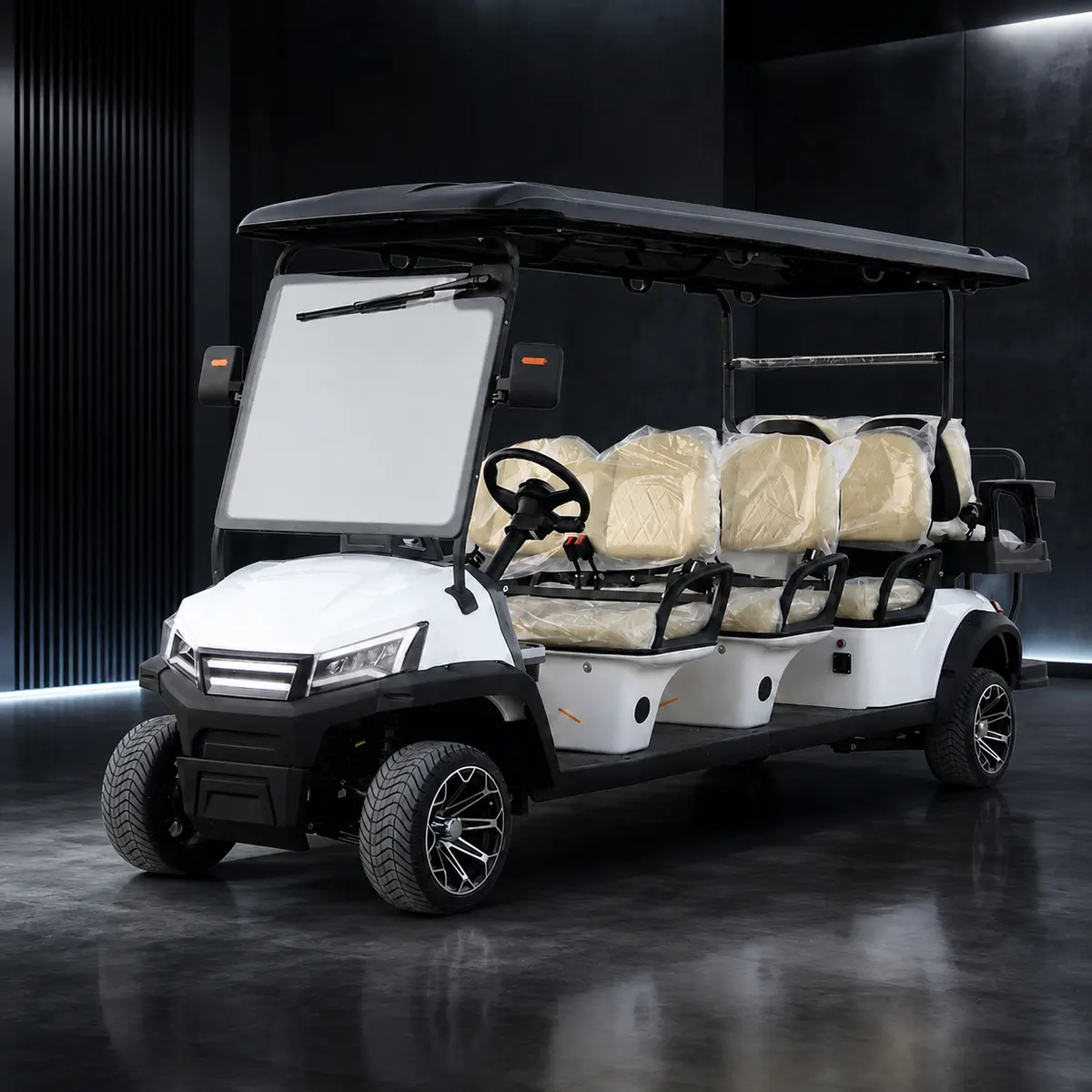
- Product Basic Information
- Product ID: GOL25FDX027
- Mileage
- 80-100 Km
- Maximum speed
- 30 Km/h
- Braking distance
- ≤4m
- Climbing angle
- 25°
- Wheel track
- 900mm
- Electrical control system
- 60V Low voltage AC controller
General instructions
 Simplified explanation
Product Attachments or Core Configurations
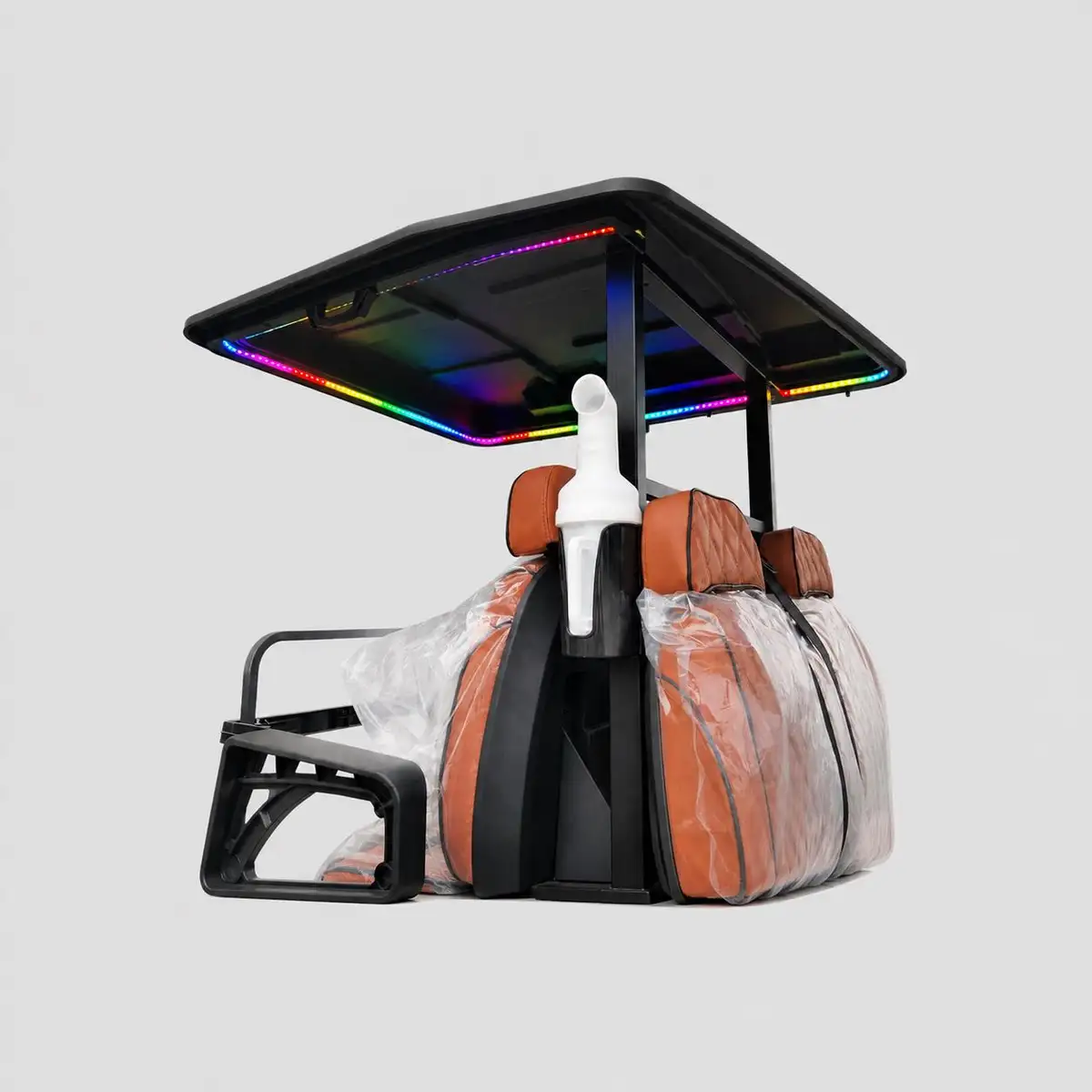
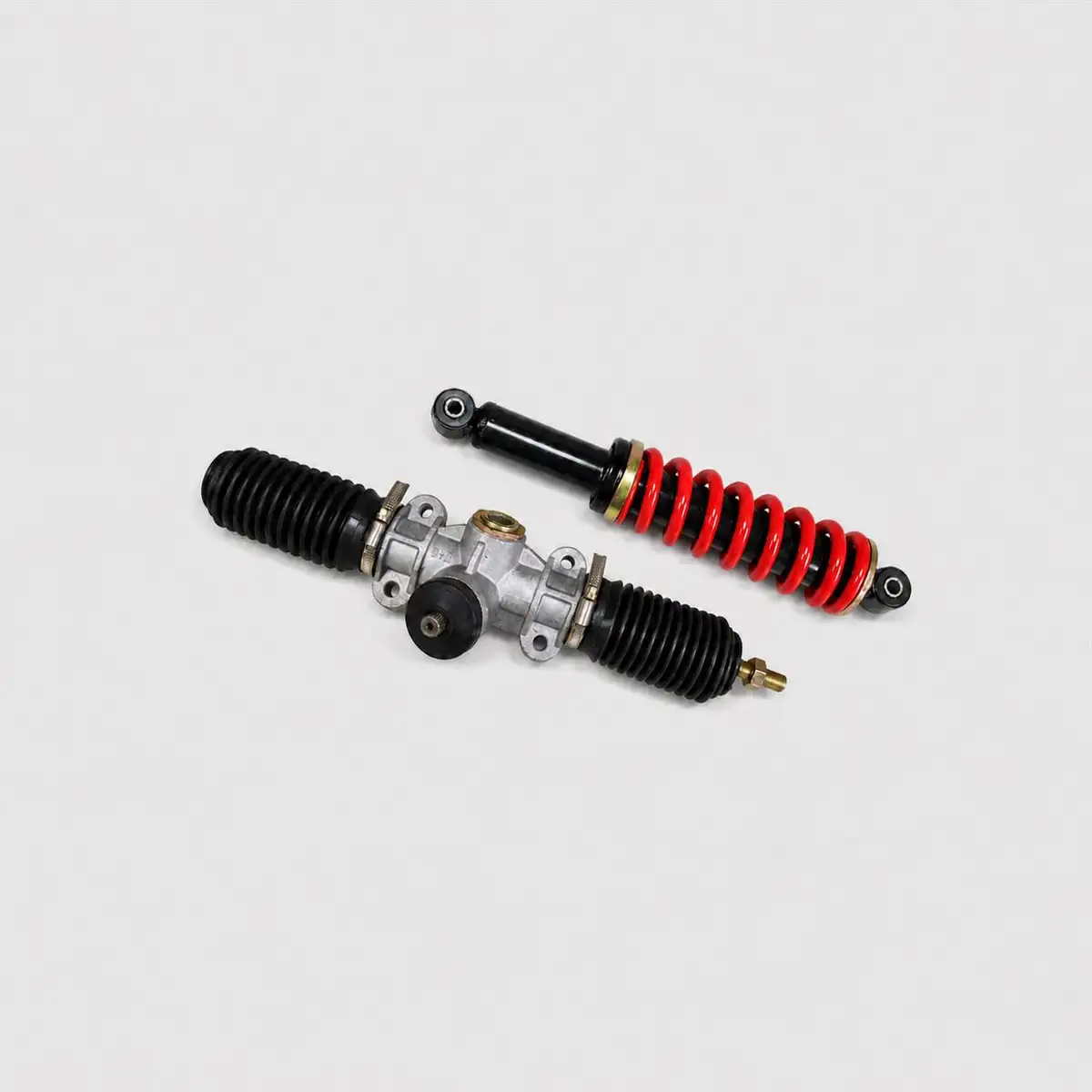
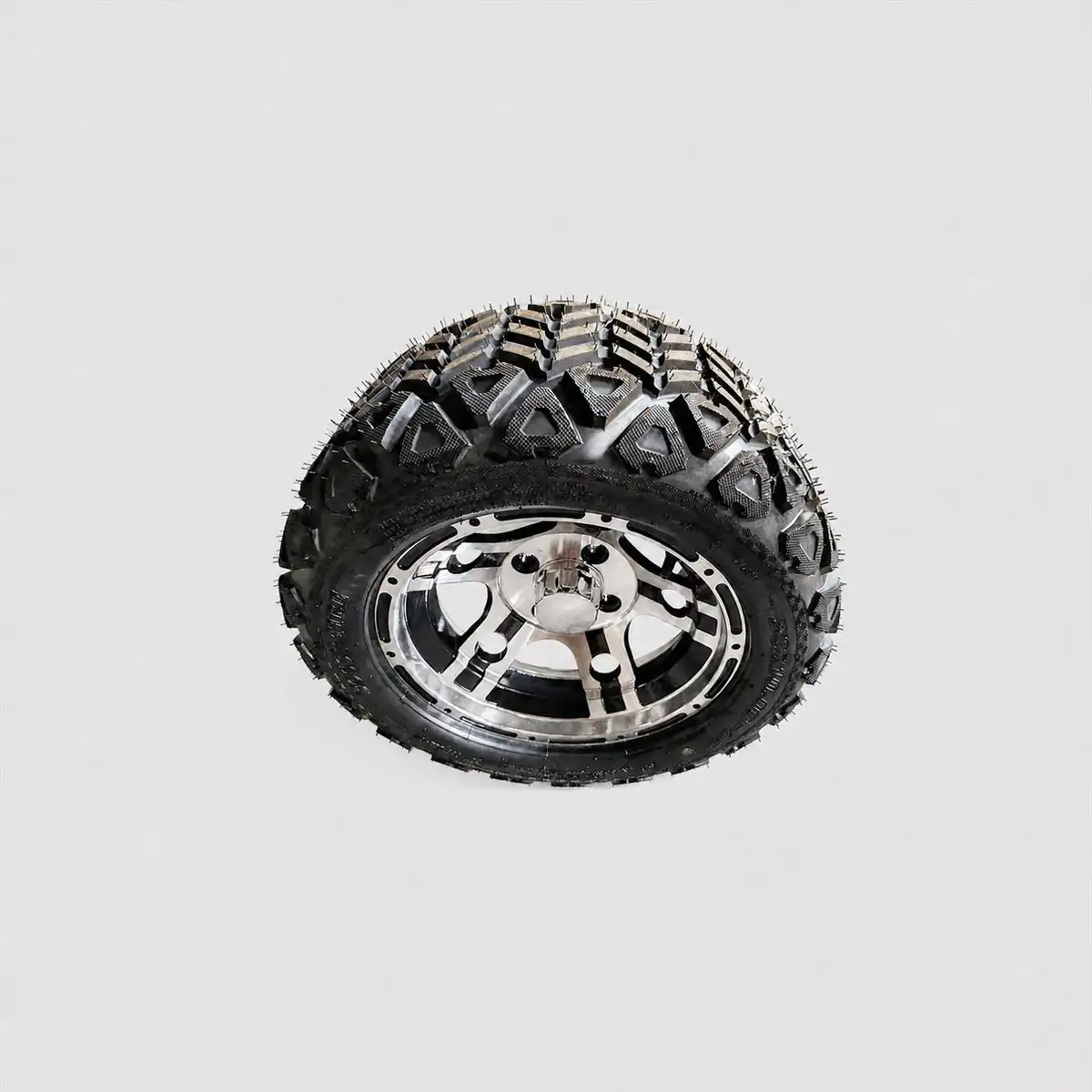
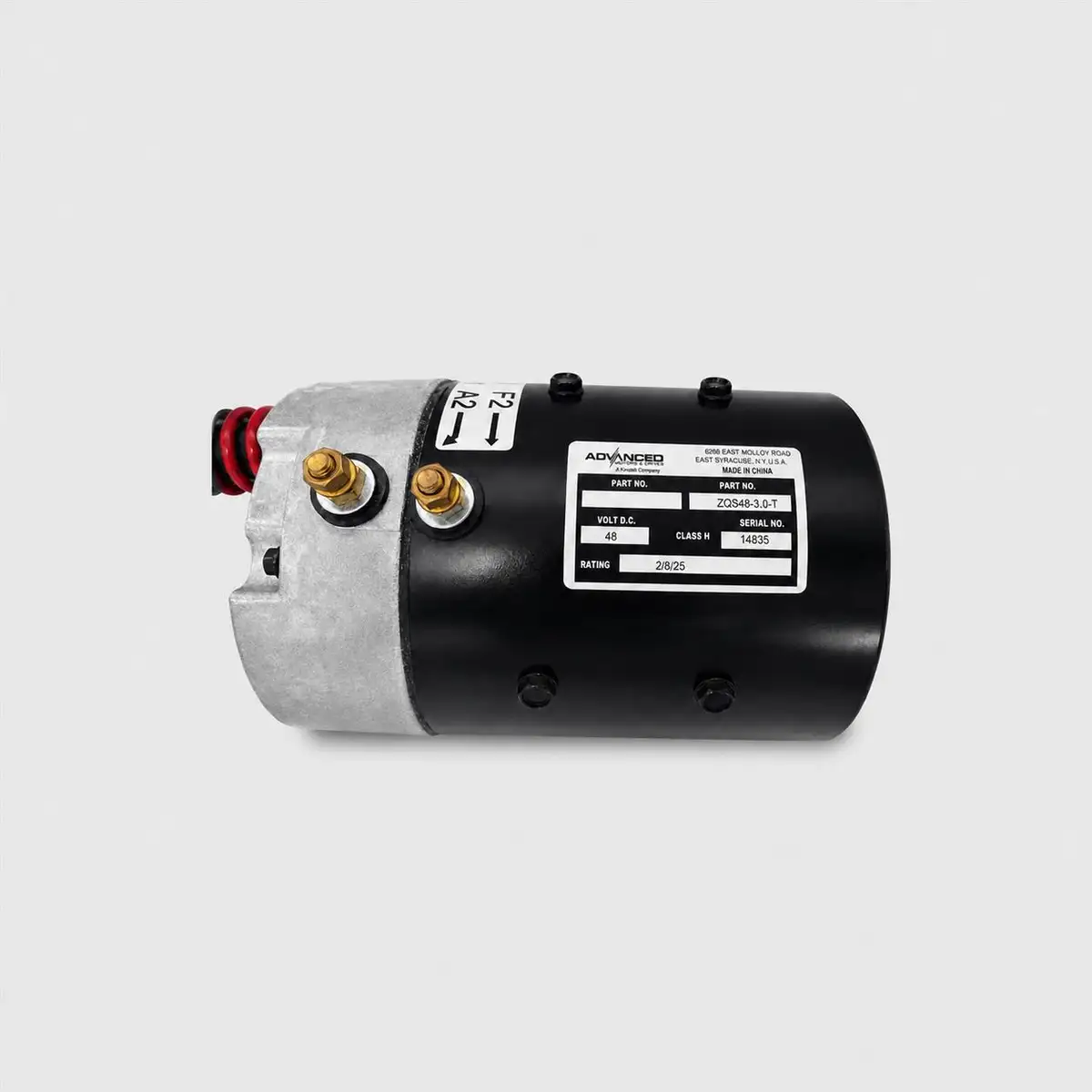
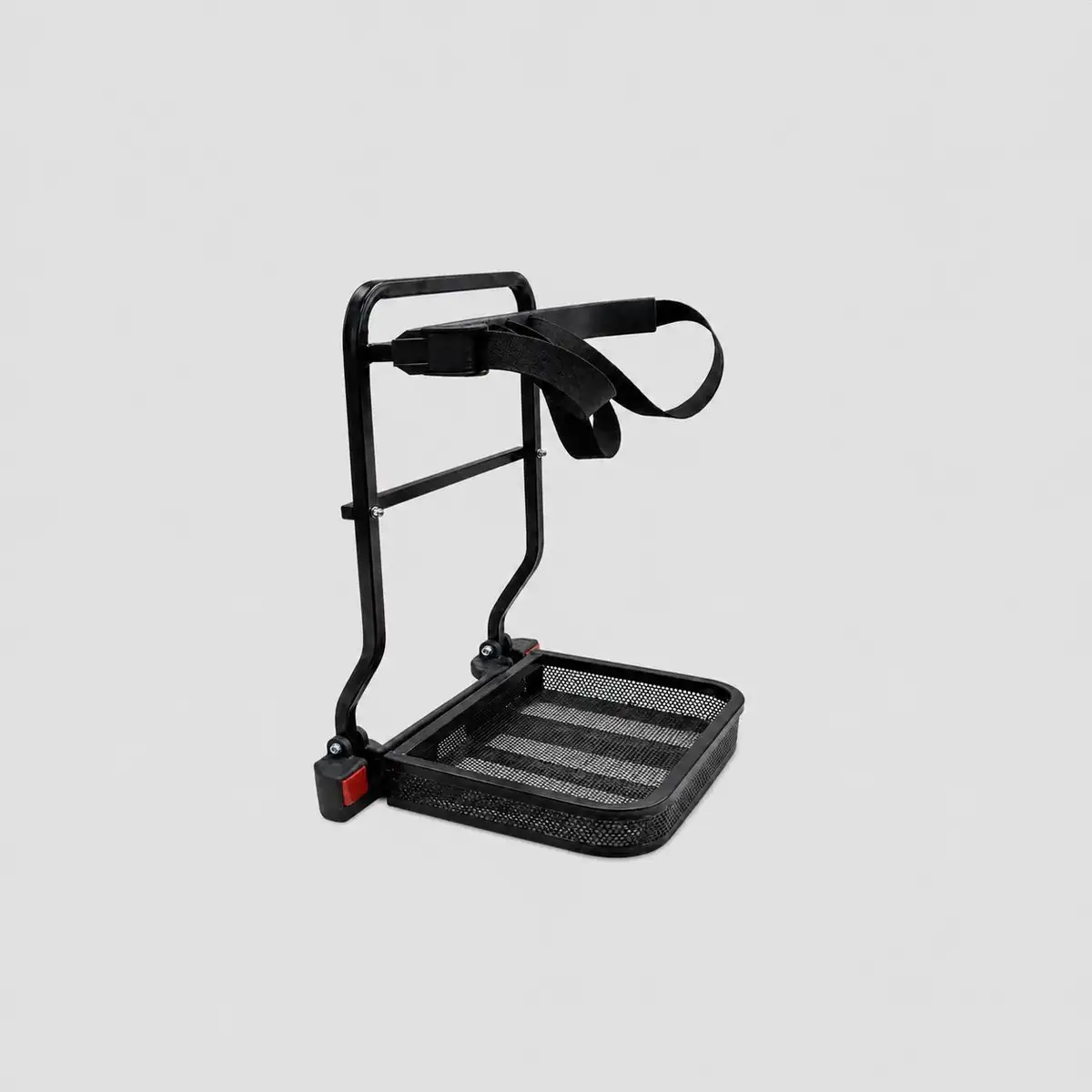
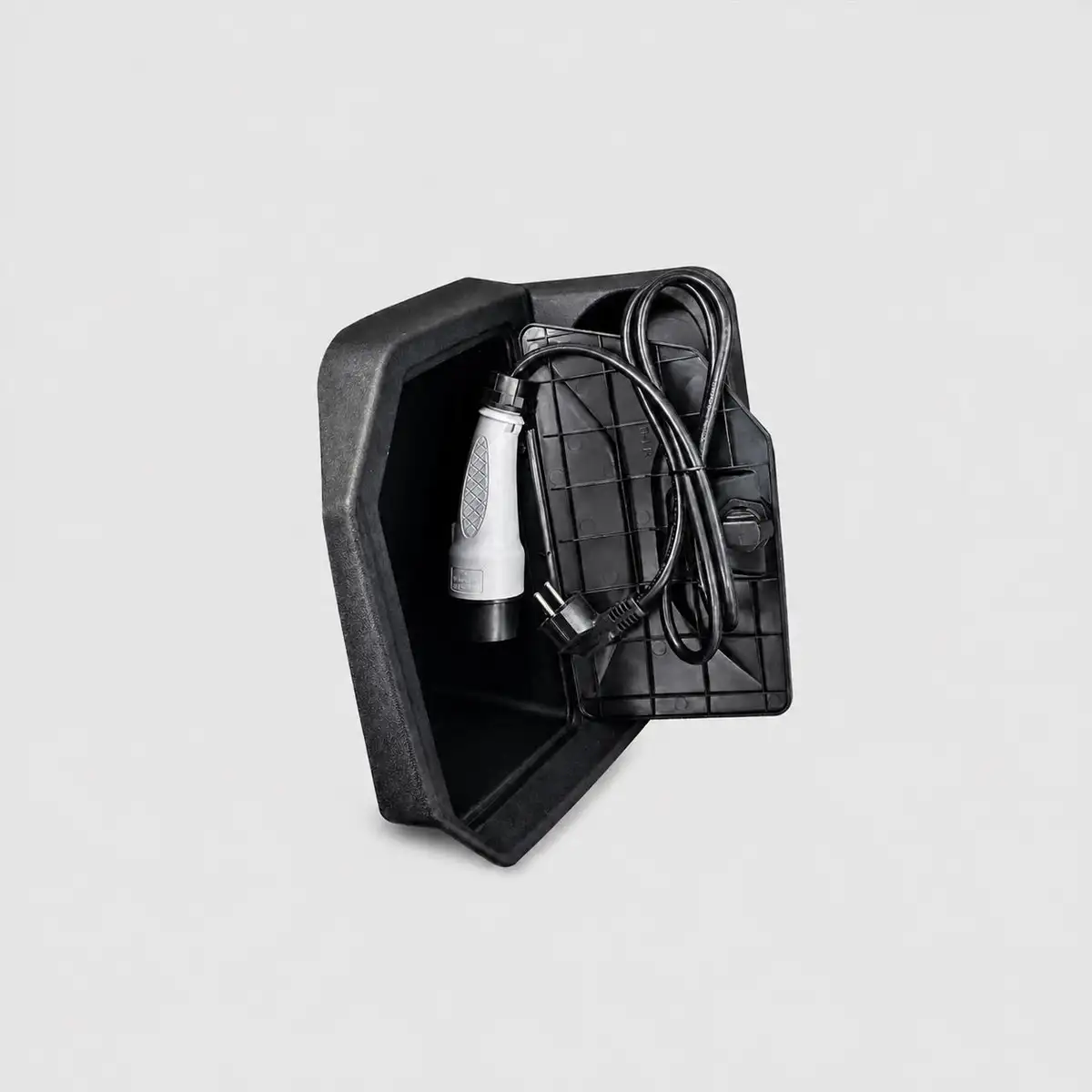
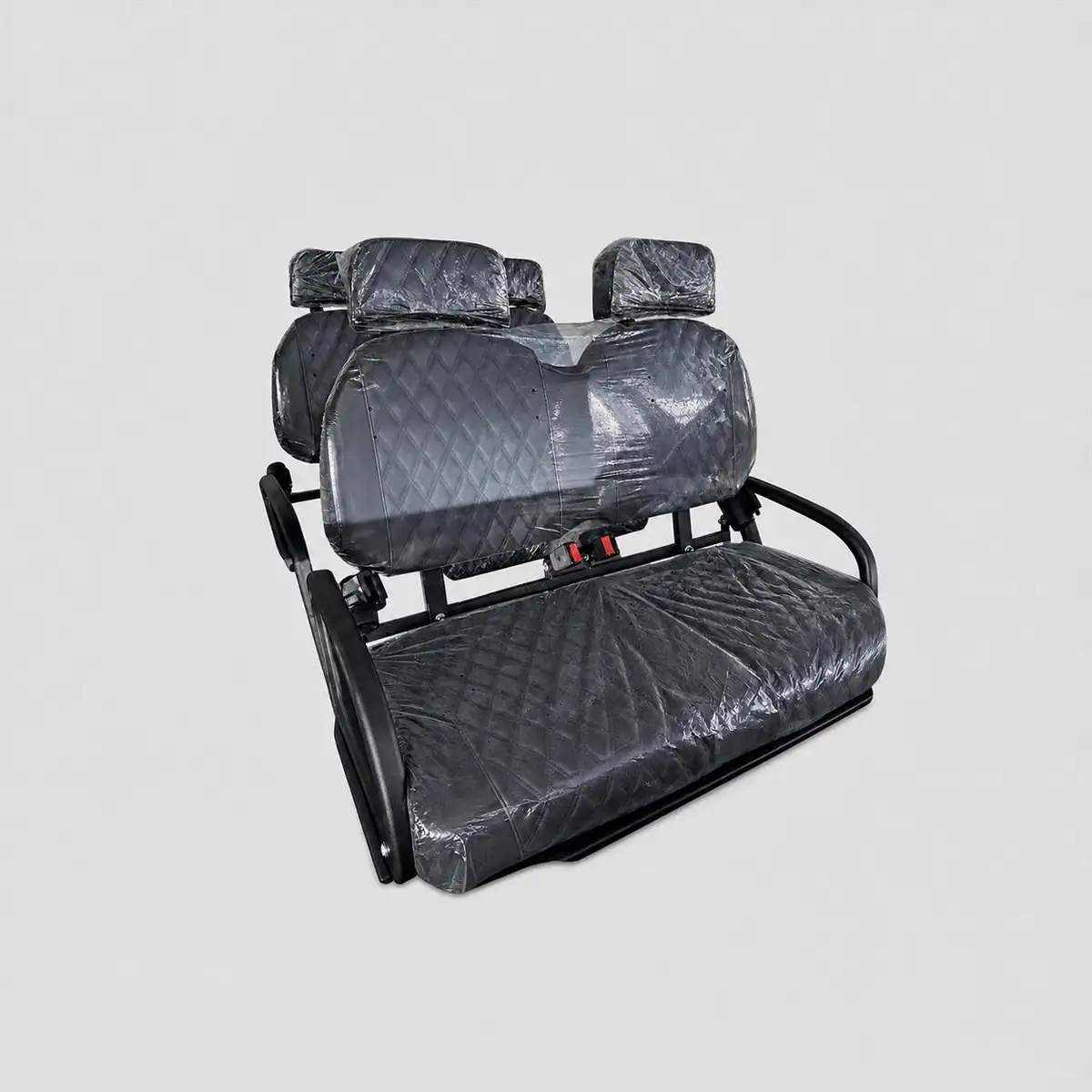
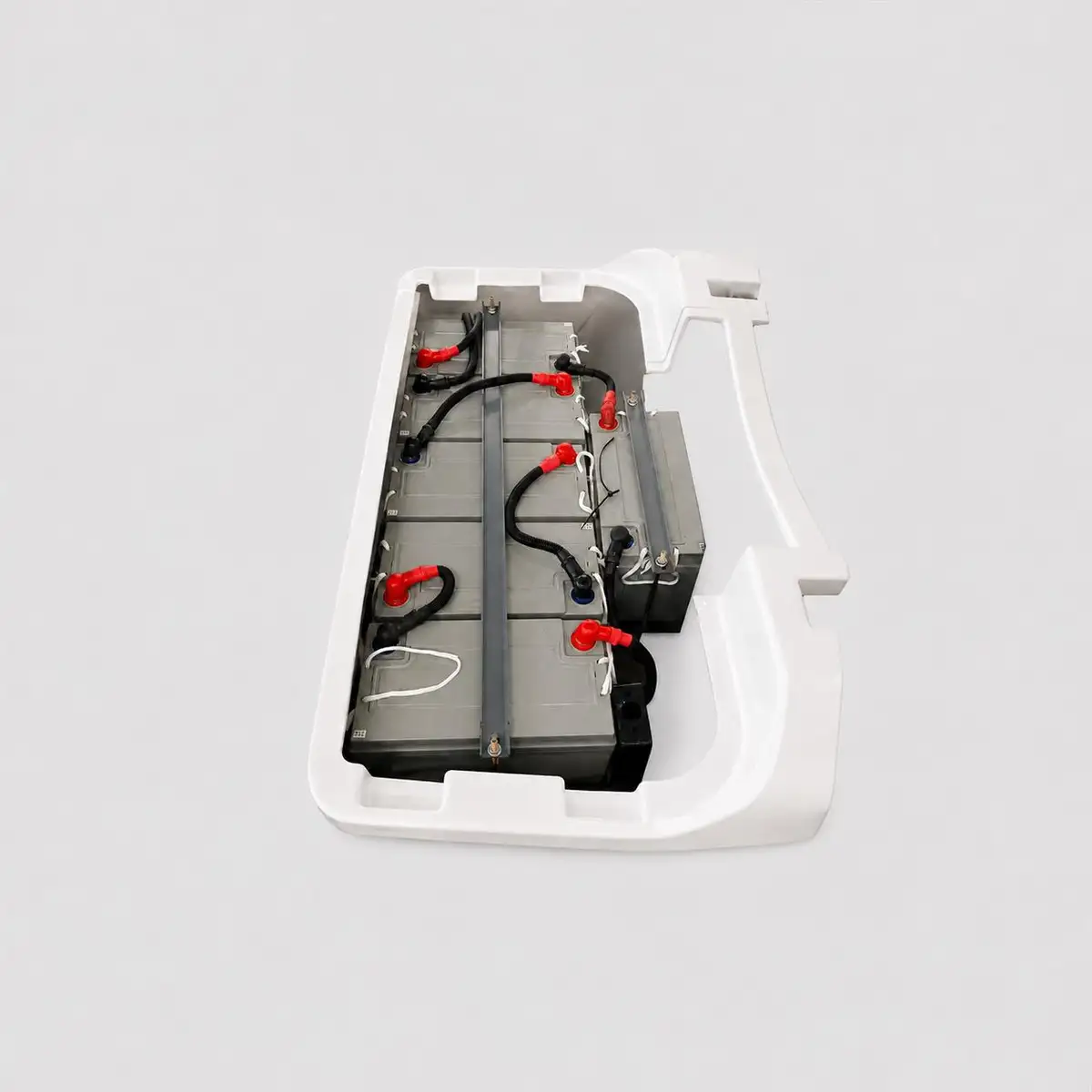
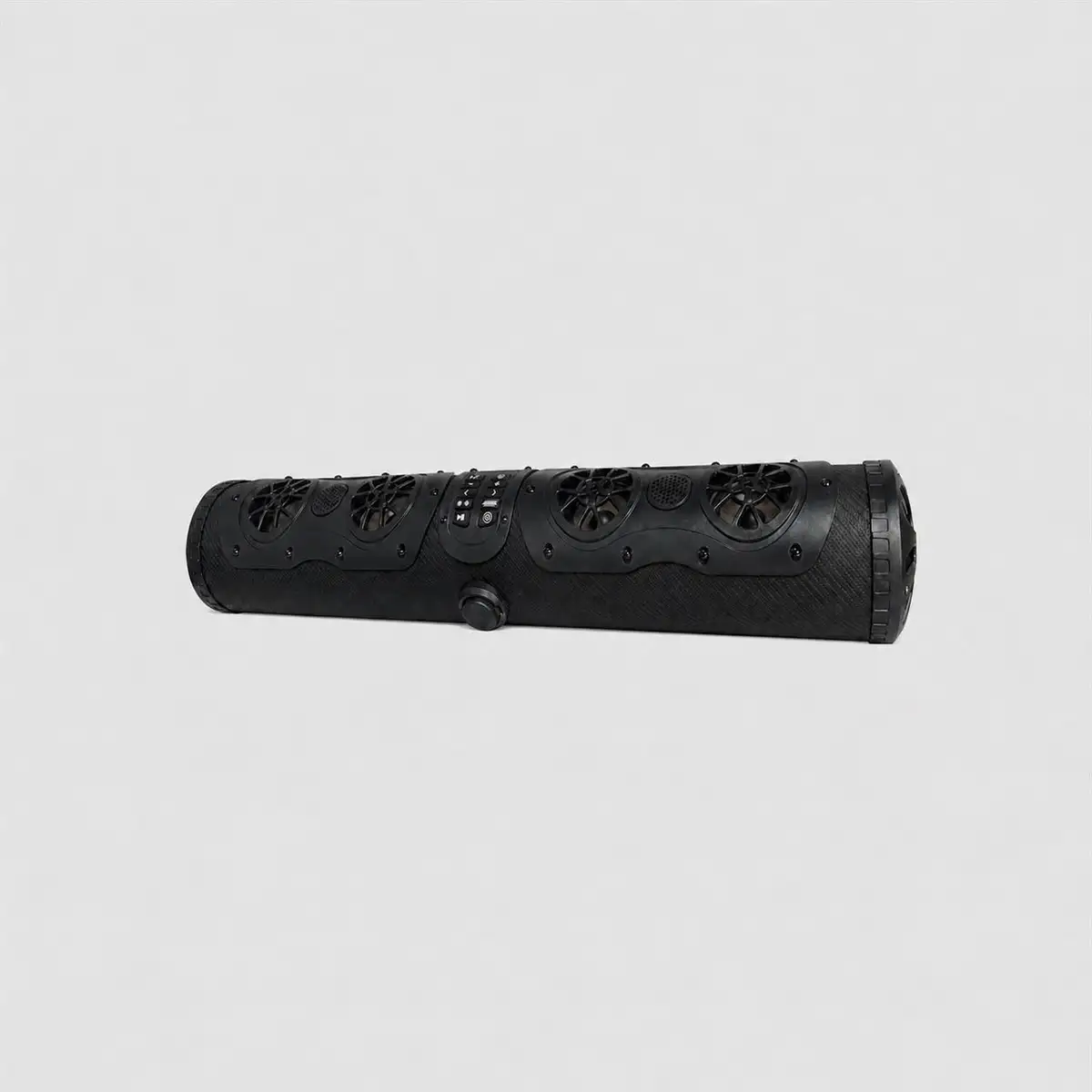
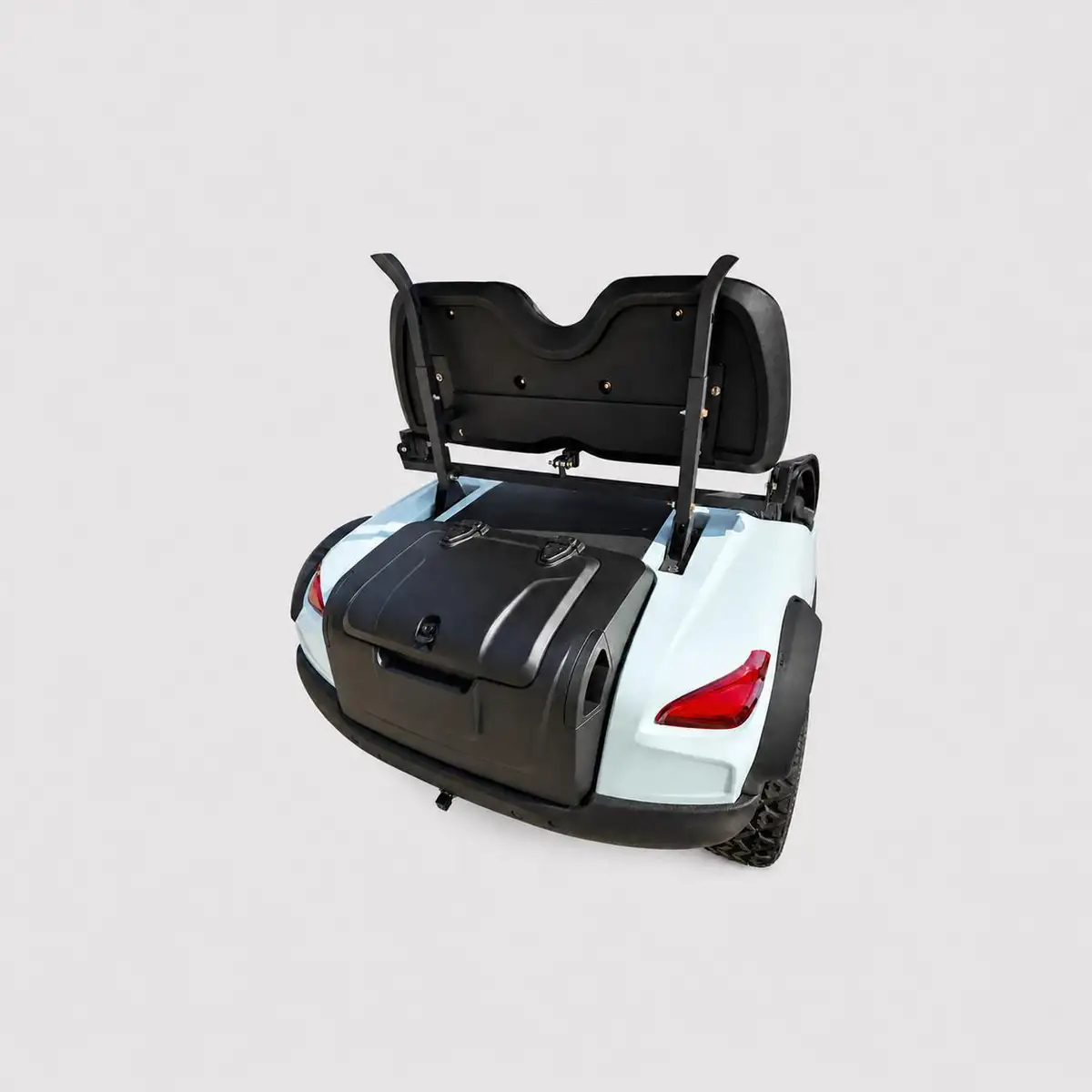
Product Video
Golf Packaging Video
Golf Packaging Video
01:24
Golf apparel packed and shipped.
01:24
Core Component Details
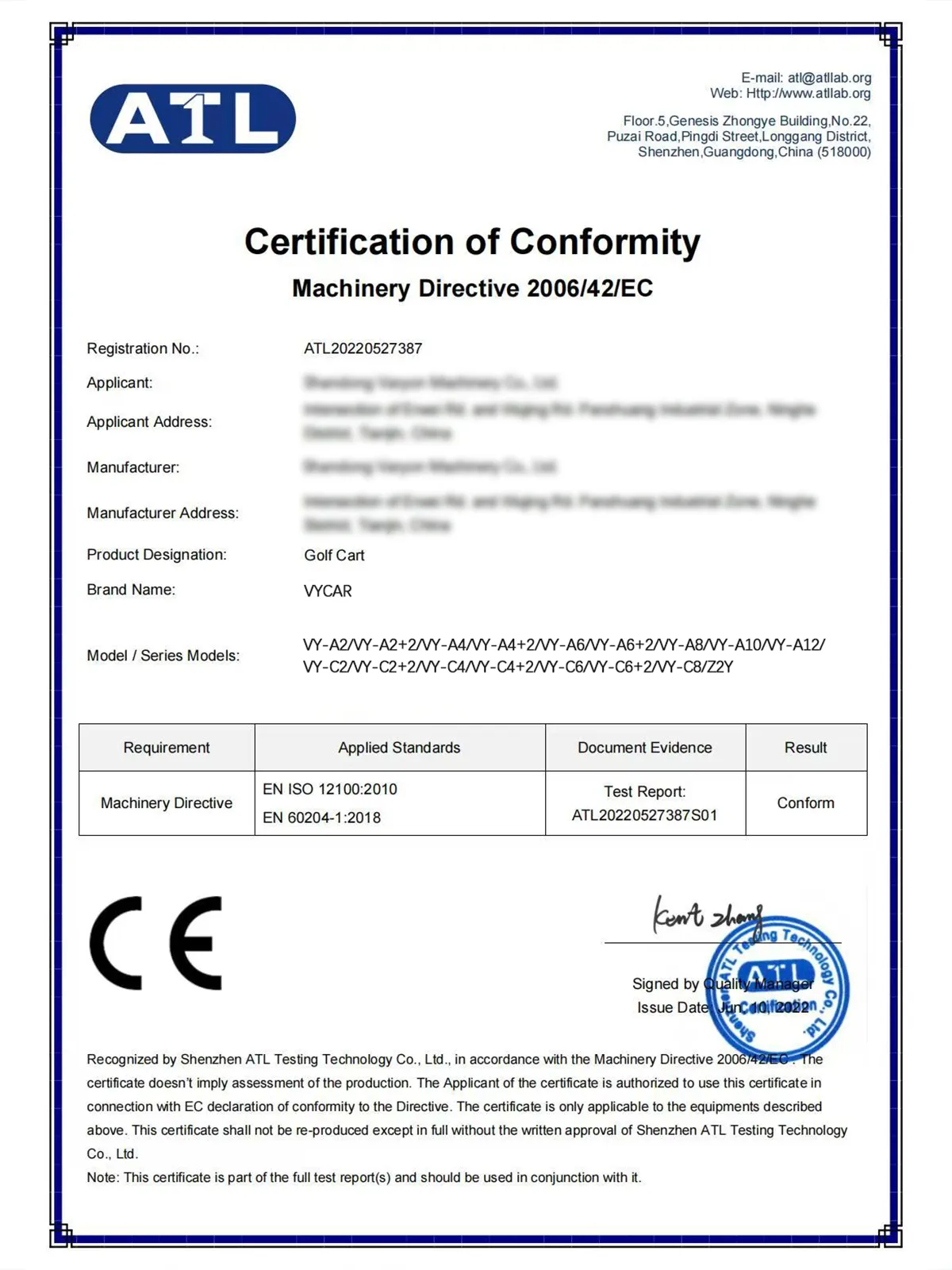
Certifications
Qualification Documents
- CE certification
- CE certification
We're here to help
Our team is ready to advise you on the best product configuration and procurement plan.
info@eascoutia.com400 158 5899Frequently Asked Questions (FAQ)
1. Where is Golf typically used?
1. It is commonly used for industrial parks, logistics routes, worksites and managed fleet operations, subject to the selected model and site conditions.
2. How do I choose the right model?
2. Match payload, dimensions, axle or tire specification, powertrain, route and regulatory requirements to the actual workload and operating environment.
3. What should be confirmed before ordering?
3. Confirm model, color, payload, axle or tire specification and optional equipment, then verify the response time and any special requirements.
4. How should it be installed and maintained?
4. Prepare delivery inspection, approved registration where applicable and scheduled tire, brake and fluid checks; follow the manual for operation, inspection and routine maintenance.
Related Products