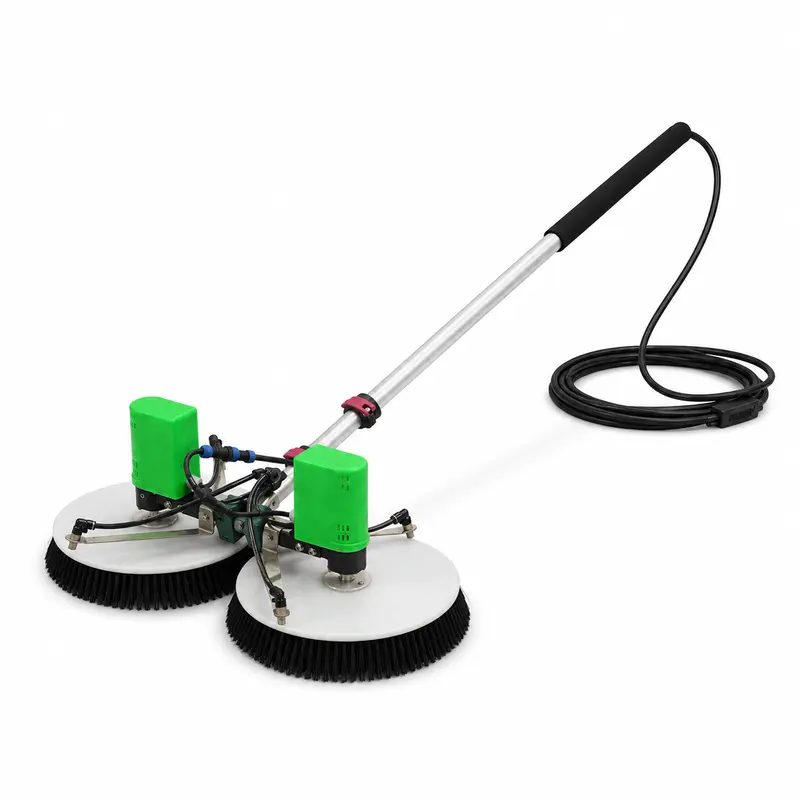
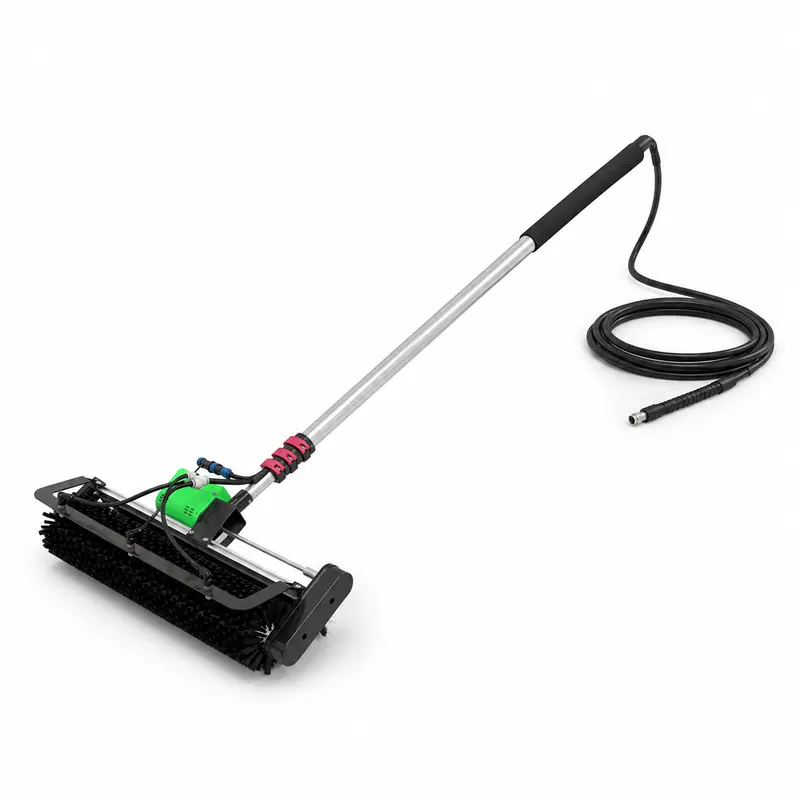
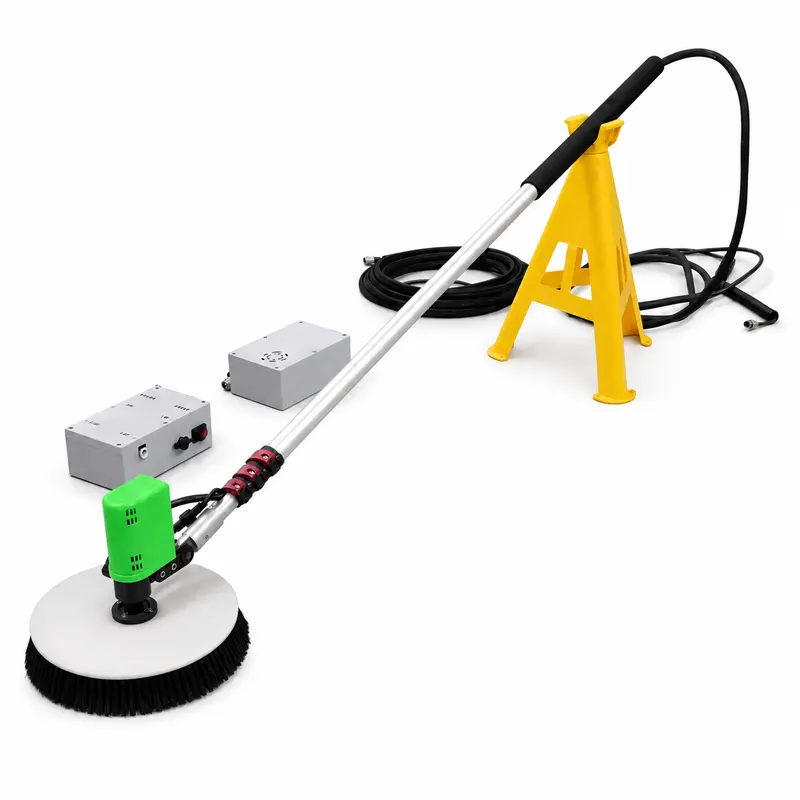
It is used for long-distance, fixed-point spray cleaning, expanding the operational range and enhancing cleaning efficiency.
 Mountain Terrace Solar Panel Cleaning Outdoor Conditions


Photovoltaic Panel Cleaning Applications
Professional photovoltaic cleaning equipment supports rooftop, ground-mounted, mountain terrace and urban carport installations. Select the matching brush or tracked configuration for efficient, stable panel washing across commercial and utility-scale sites. Confirm site access, water supply, power requirements and operating conditions before ordering.
 Commercial Rooftop Solar Panel Cleaning in Factory Areas
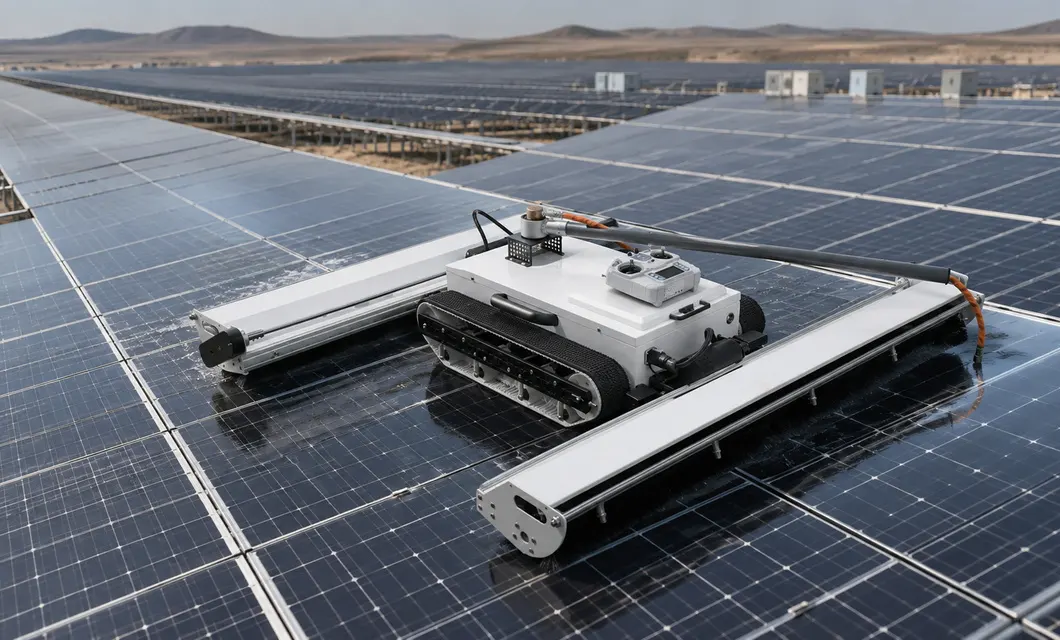 Ground Mounted Solar Farm Panel Cleaning Field OperationMountain Terrace Solar Panel Cleaning Outdoor Conditions
 Urban Solar Carport Panel Washing for Parking FacilitiesCommercial Rooftop Solar Panel Cleaning in Factory AreasGround Mounted Solar Farm Panel Cleaning Field Operation
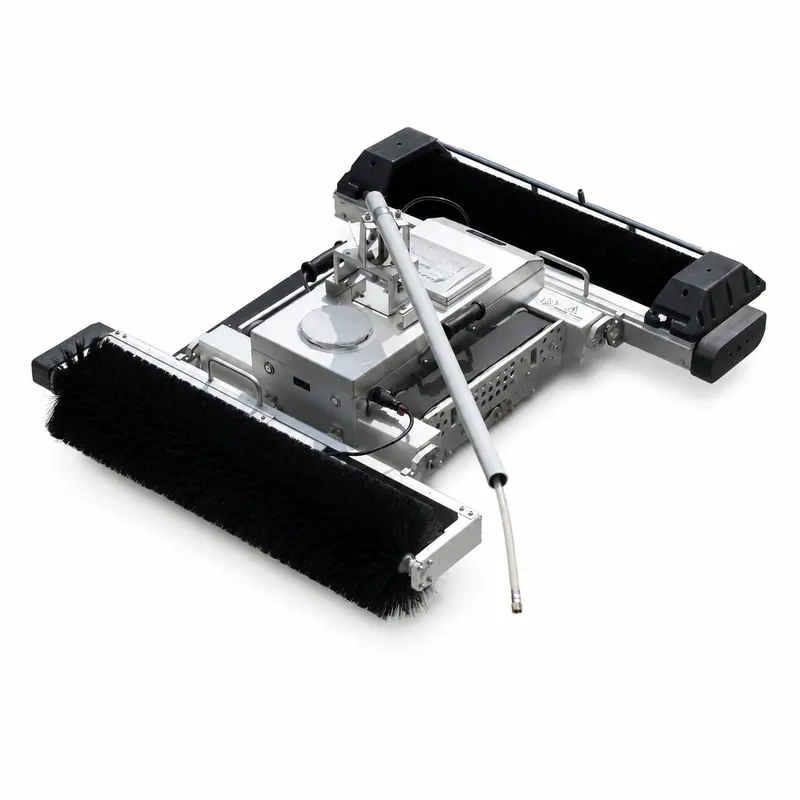
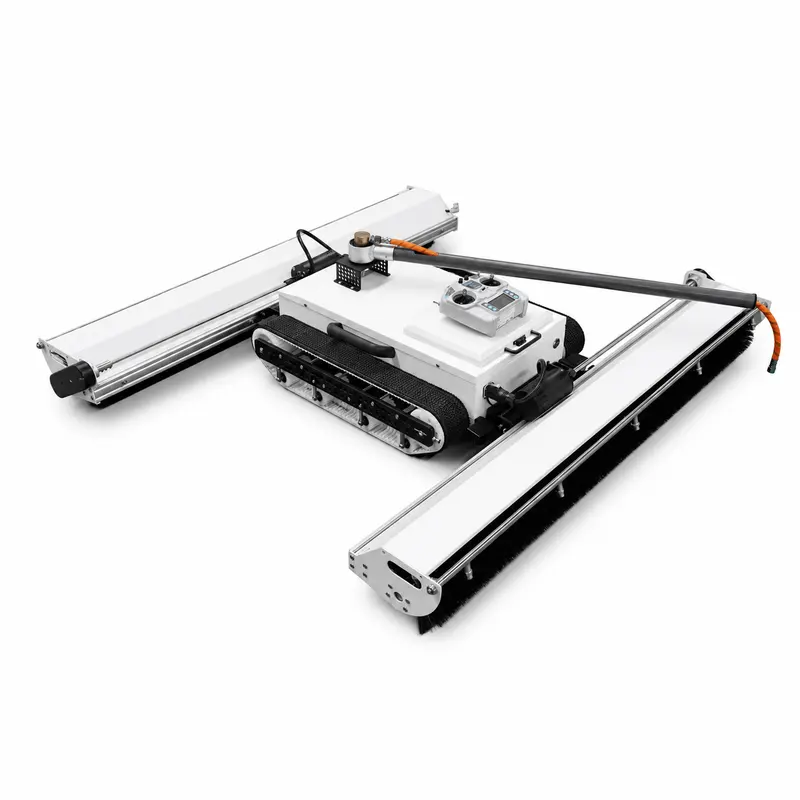
TY-YK Adaptive Inclined Travel
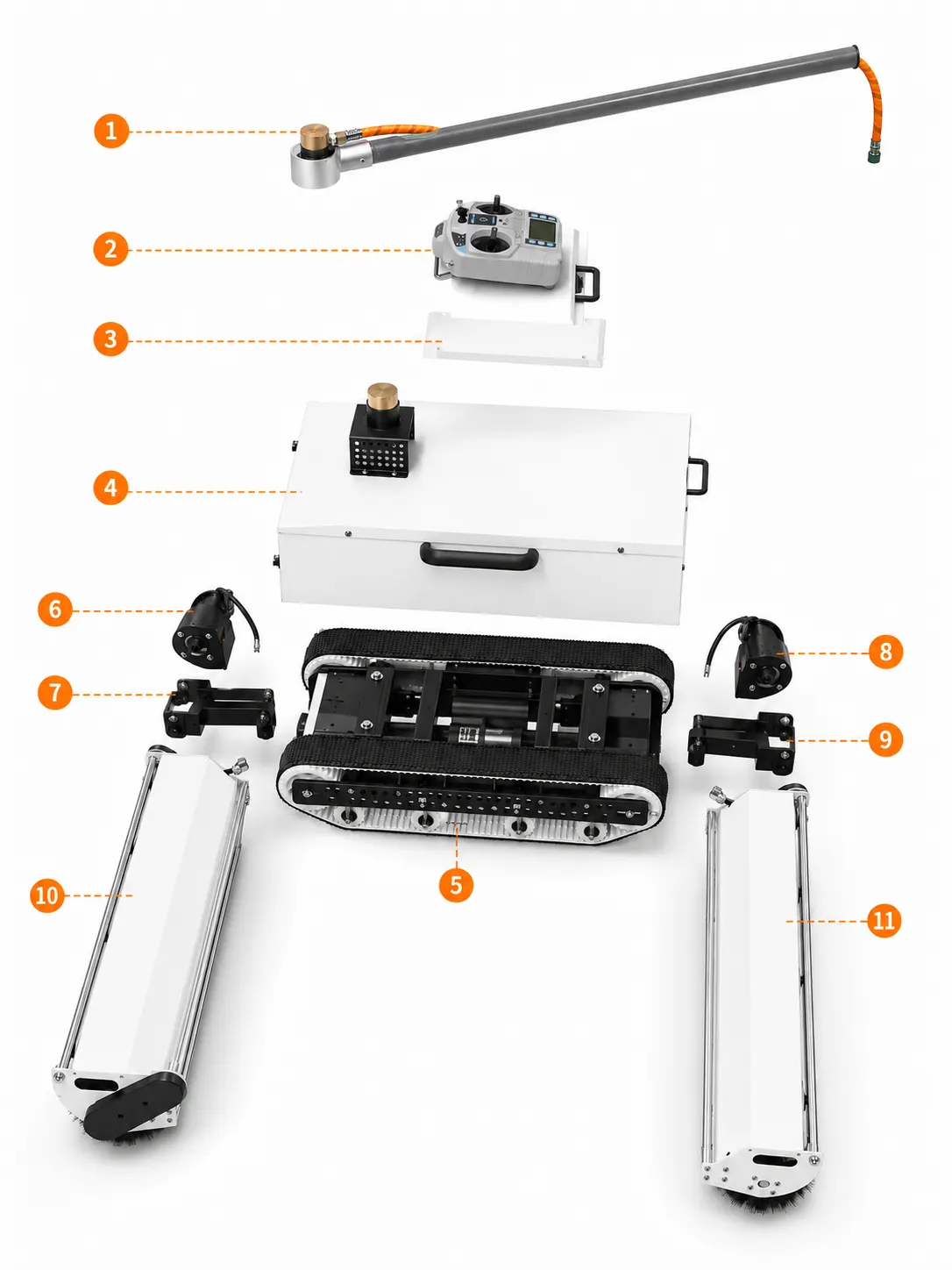
It is used for long-distance, fixed-point spray cleaning, expanding the operational range and enhancing cleaning efficiency.
Remote control of the equipment’s travel and operation functions enhances operational safety and convenience.
Designed to hold and secure the remote control, making it convenient for transporting, storing, and accessing the device at any time.
It houses the control, power supply, and fluid delivery components, providing reliable protection for the core system.
Delivers stable traction and superior obstacle‑crossing capability, adapting to a wide range of complex cleaning surfaces.
It powers the left-side sweeping assembly, ensuring the roller brush operates with continuous and stable rotation.
Connect the left-side roller brush to the tracked chassis, ensuring that the sweeping assembly is installed securely and reliably.

00:32
00:41
00:29
Our team is ready to advise you on the best product configuration and procurement plan.
info@eascoutia.com400 158 58991. It is commonly used for warehouses, workshops, retail floors, campuses and public facilities, subject to the selected model and site conditions.
2. Match cleaning width, tank or bin capacity, runtime, surface type and turning space to the actual workload and operating environment.
3. Confirm model, working width, power type, brushes and consumables, then verify the response time and any special requirements.
4. Prepare a suitable charging or fueling area, approved cleaning agents and routine brush, filter and tank care; follow the manual for operation, inspection and routine maintenance.
 Simplified explanation