The padded lever and grips secure the upper leg area during seated calf raise movement.
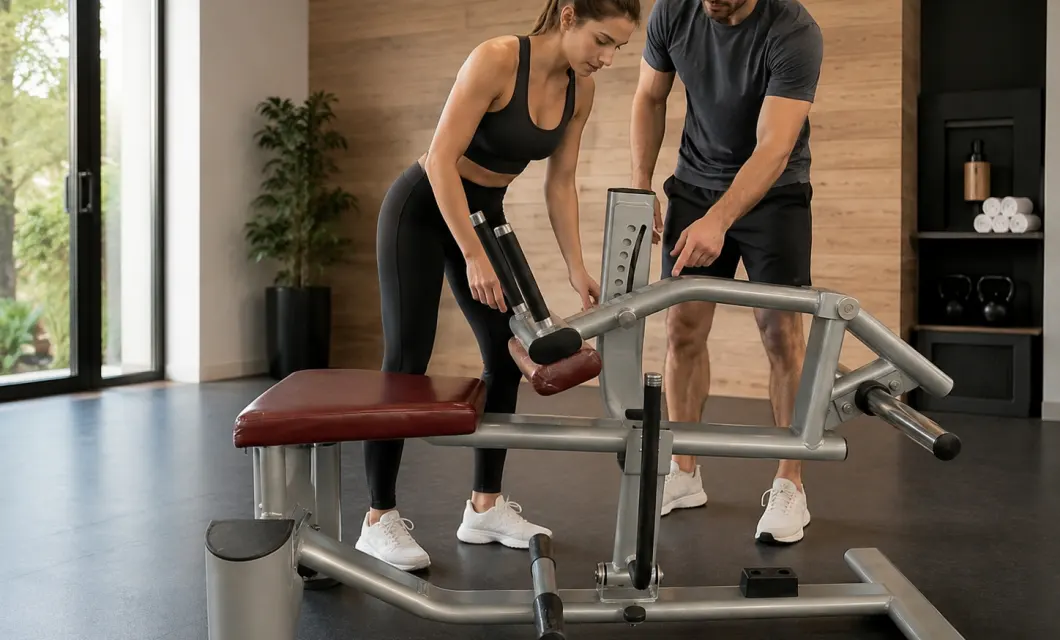 Coach Checks Calf Raise Position


Seated calf training in strength spaces
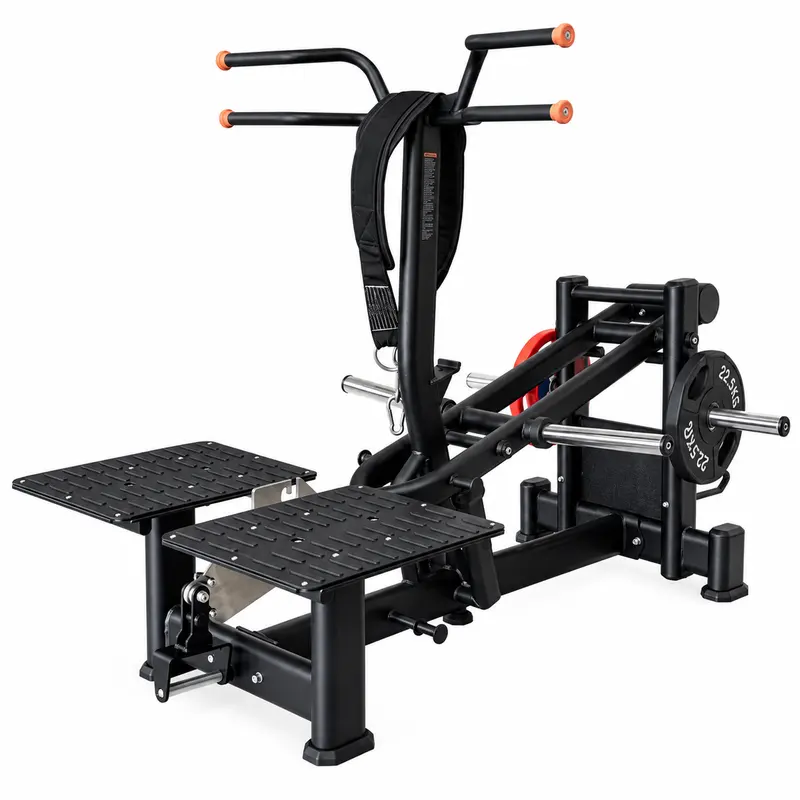
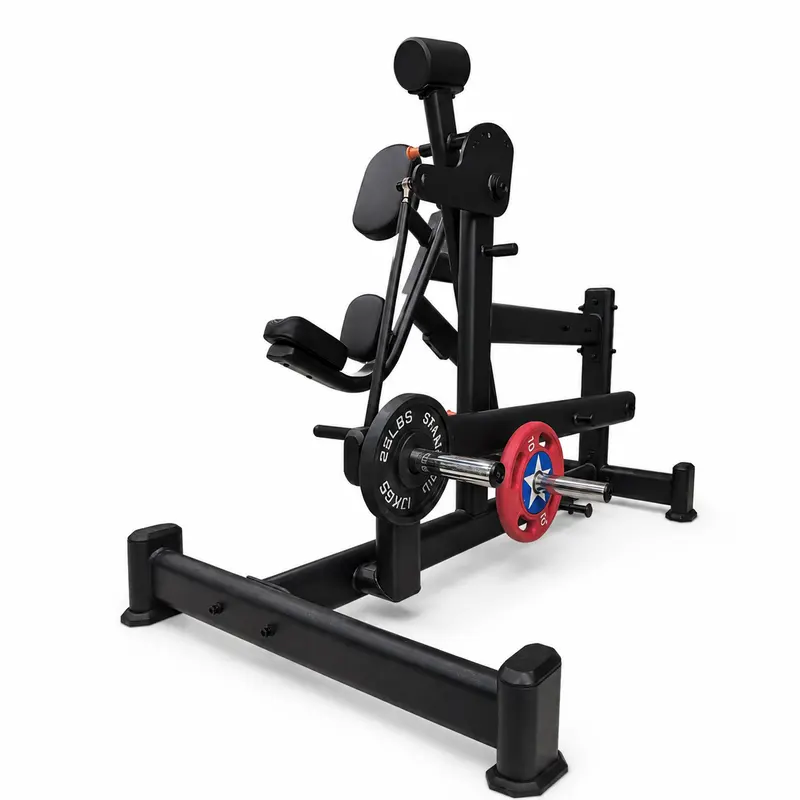
The scenes show the machine in strength rooms, coaching spaces and display layouts. Users work from a seated position with thighs under the pad and feet on the front bar, while the plate-loaded lever remains visible for resistance setup.
 Plate Loaded Calf Raise In Use
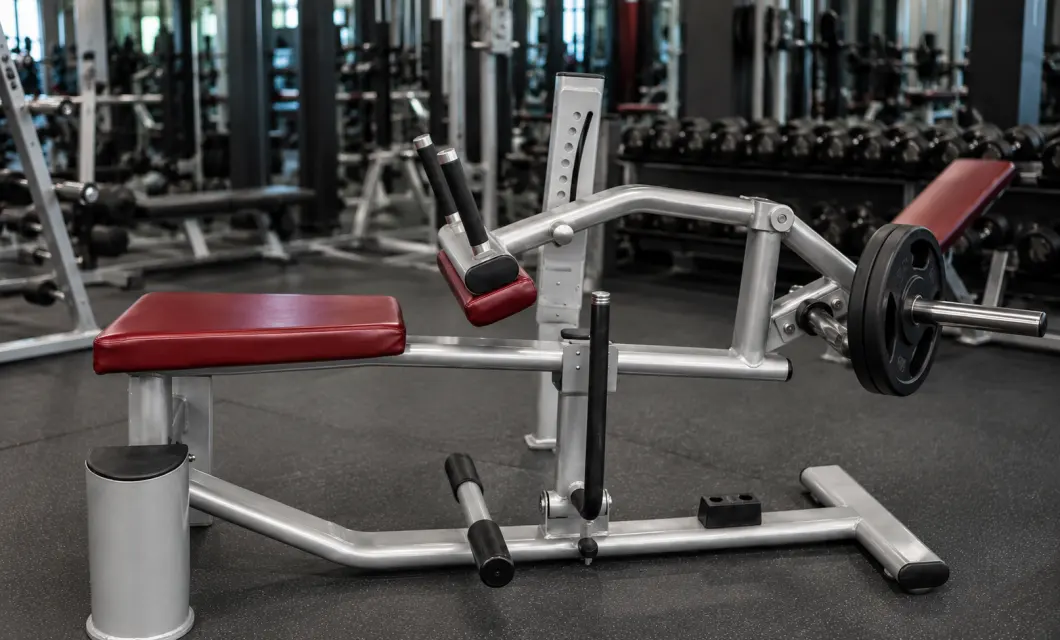 Stable Foot Bar And Thigh Pad PositionCoach Checks Calf Raise Position
 Plate Loaded Calf Raise In UsePlate Loaded Calf Raise In UseStable Foot Bar And Thigh Pad Position

The padded lever and grips secure the upper leg area during seated calf raise movement.
The pin, sleeve and bolt set connects upper lever parts and supports stable movement.
The perforated vertical post provides mounting positions for the thigh pad support.
The pin and axle hardware secure the moving support parts at the selected position.
The padded seat supports the user above the calf-raise lever for a stable posture.
The vertical bracket under the seat connects the pad to the main frame.
The lower fasteners secure detachable joints and help keep frame assembly aligned.
Our team is ready to advise you on the best product configuration and procurement plan.
info@eascoutia.com400 158 5899Resistance is added through the visible plate-loading horn on the moving lever assembly.
The upper padded support holds the thighs while the user raises the heels from the seated position.
The front foot bar is the visible contact point where the user places the feet for calf raise movement.
Yes. The product is designed around a seated position with a seat pad, thigh support and front foot bar.
Users should set the thigh pad height and check plate loading before starting a controlled calf raise.

 Simplified explanation