The end-mounted radiator and guard sit beside the engine in the assembled set.
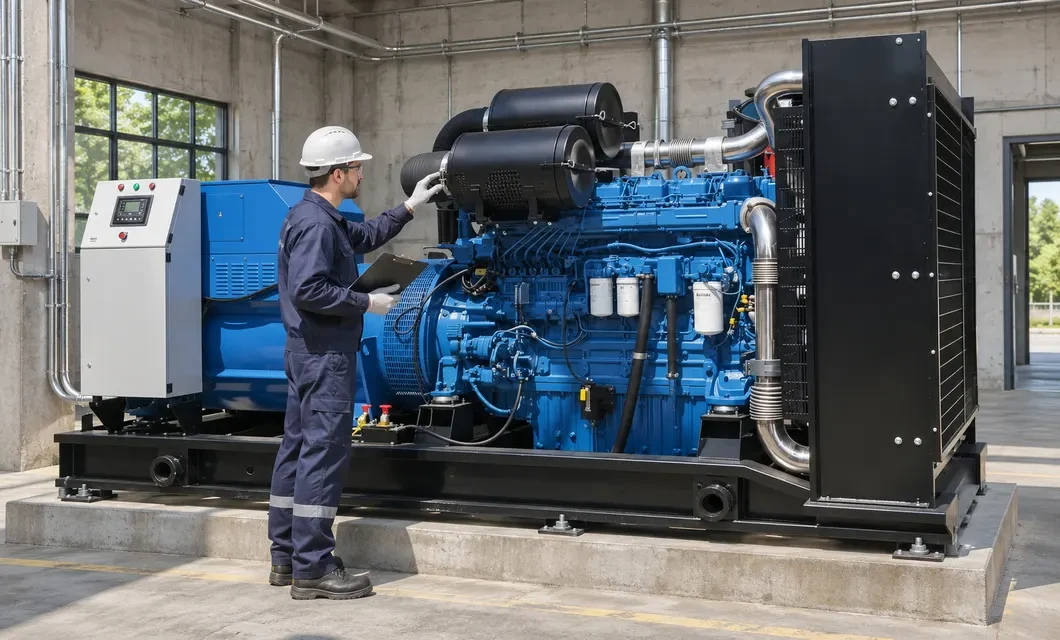 Checking Air Intake Connections


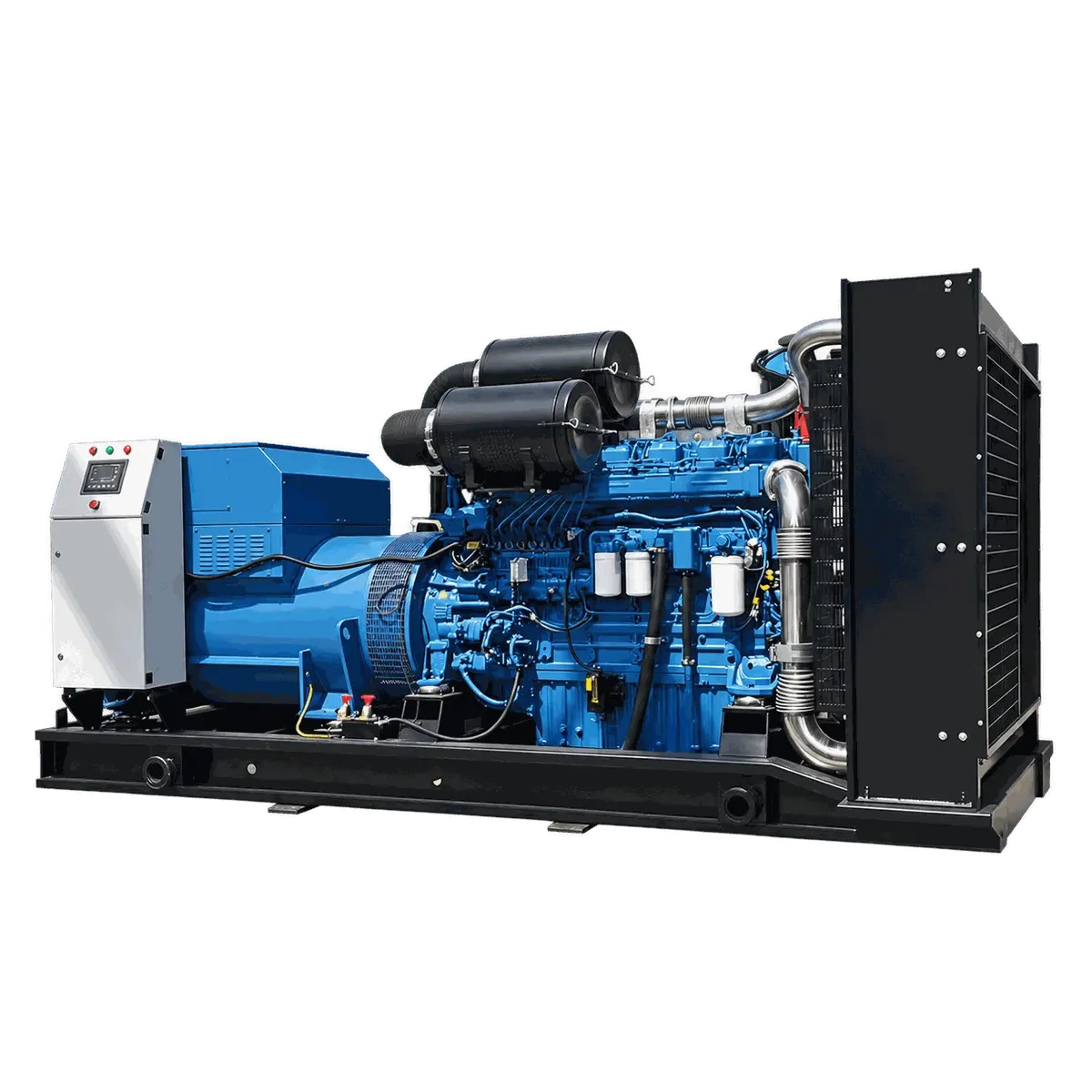
Prepare the Generator Installation
Installation preparation covers base positioning, cable route planning, air intake checks and radiator clearance. The control cabinet, twin air cleaner housings and open engine layout provide distinct areas for planning operator access and inspecting visible connections before commissioning.
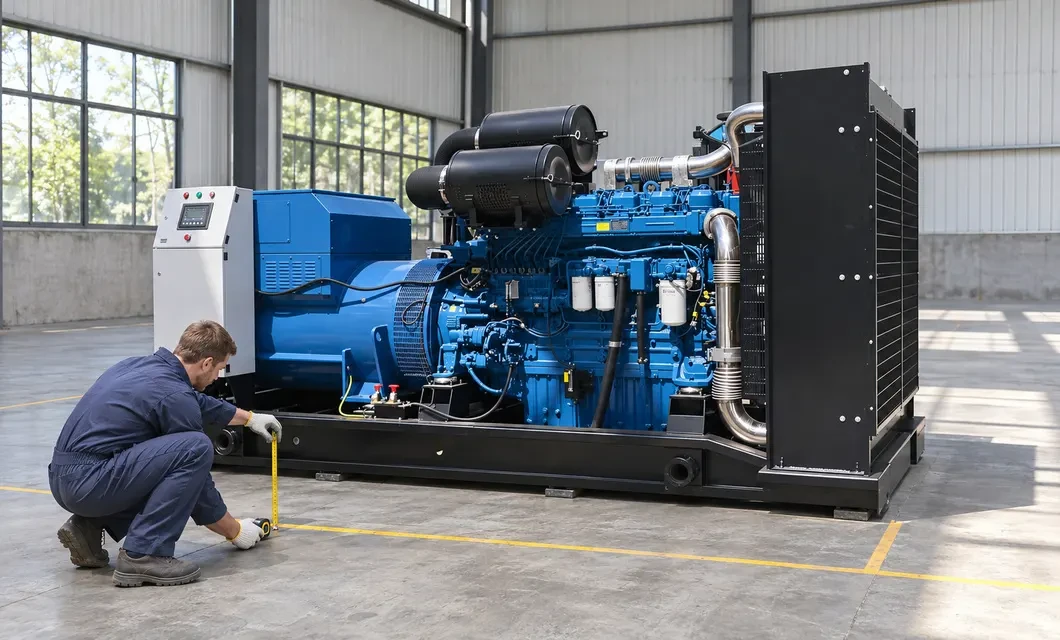 Positioning on the Concrete Pad
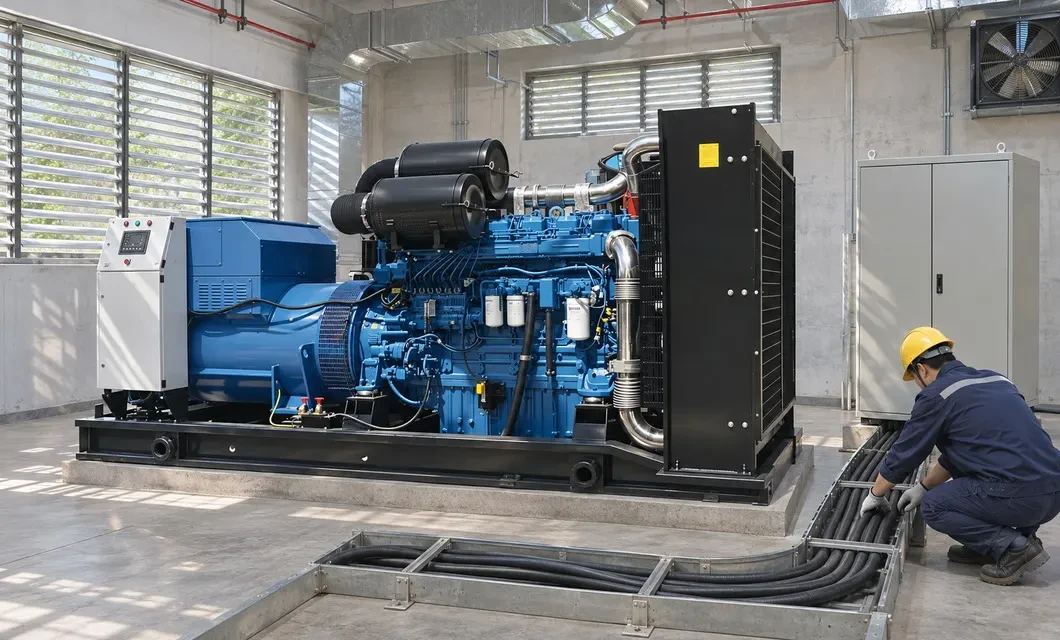 Routing Cables to the SwitchboardChecking Air Intake Connections
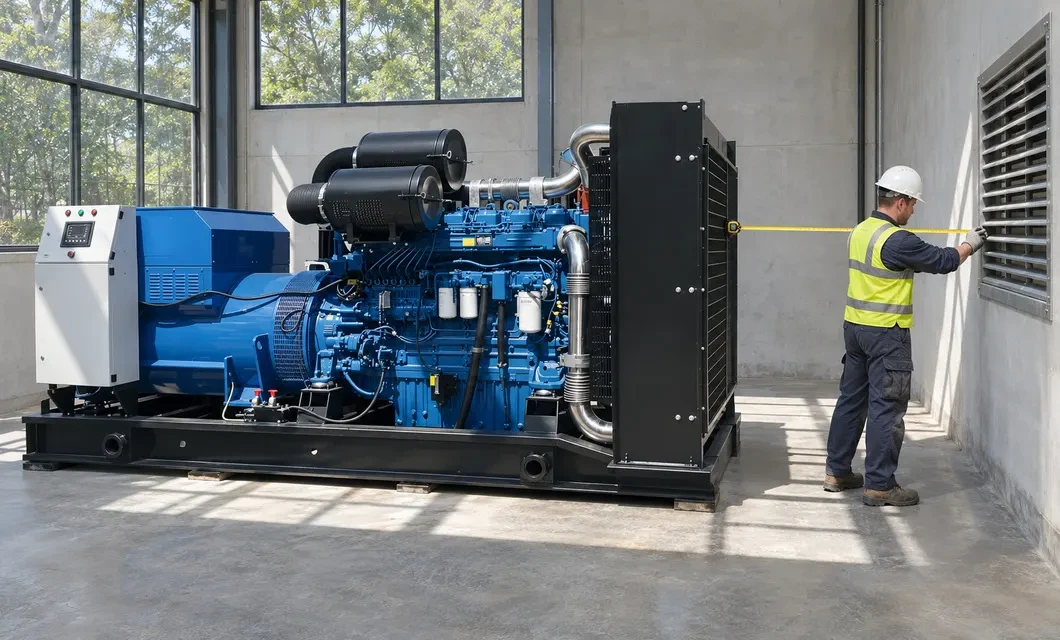 Measuring Radiator ClearancePositioning on the Concrete PadRouting Cables to the Switchboard
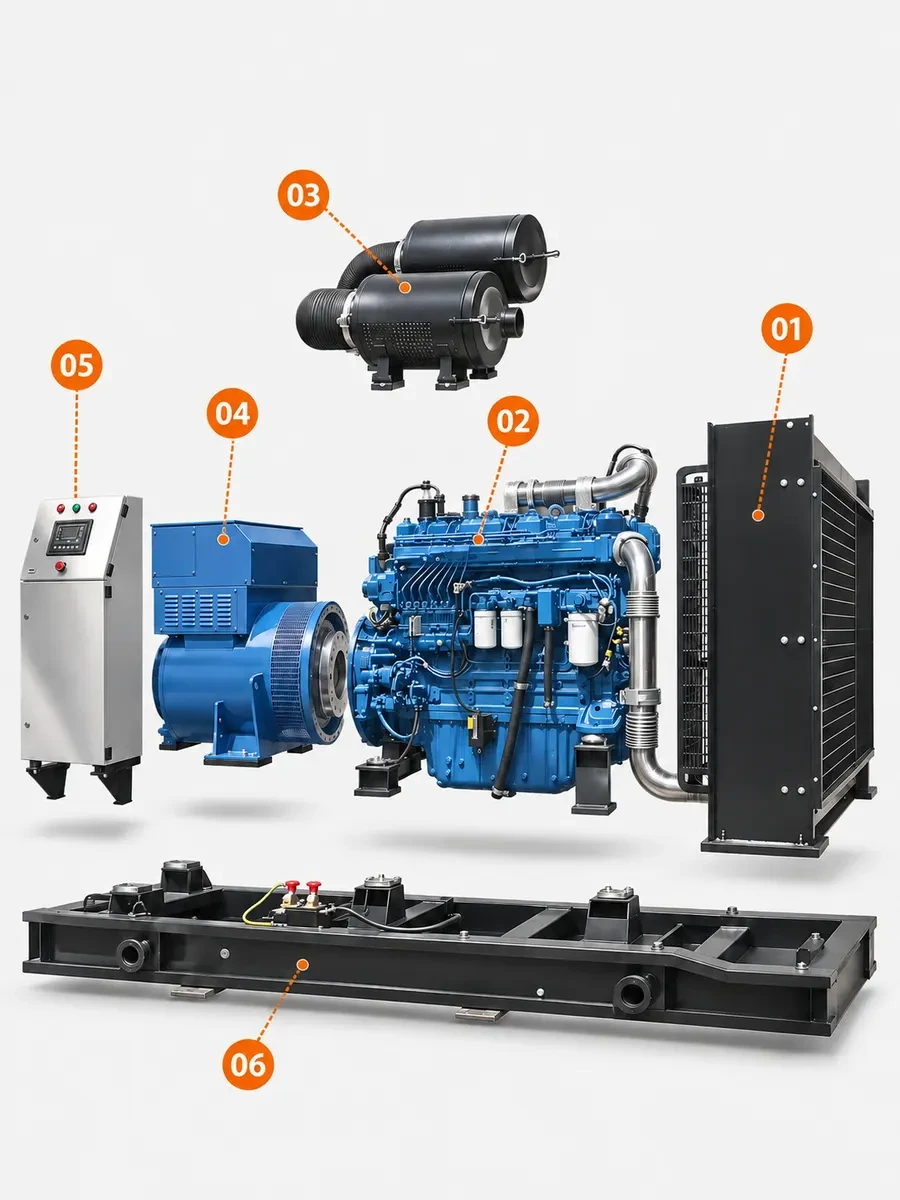
The end-mounted radiator and guard sit beside the engine in the assembled set.
The central engine assembly retains the visible pipework and side filter canisters.
The paired housings form the air cleaner group above the engine.
The alternator aligns with the engine and includes the upper enclosure shown.
The separate sloped cabinet presents the control panel beside the alternator.
The shared frame supports the main assemblies and the visible base-mounted electrical items.
Our team is ready to advise you on the best product configuration and procurement plan.
info@eascoutia.com400 158 5899Select rated output for the connected loads and their starting requirements. Confirm the electrical specification before ordering.
Plan a firm, level base with ventilation, exhaust routing and service access suitable for the installation and the selected configuration.
Have a qualified electrician plan the output cabling, protective devices and earthing to suit the load and installation requirements.
Before starting, check fluid levels, visible pipe and hose connections, the air intake, electrical connections and the surrounding work area.
Follow the engine and alternator service instructions for fluids, filters, cooling components, connections and scheduled inspections.
 Brief description