Covers the upper structure to reduce dust ingress and protect the machine.
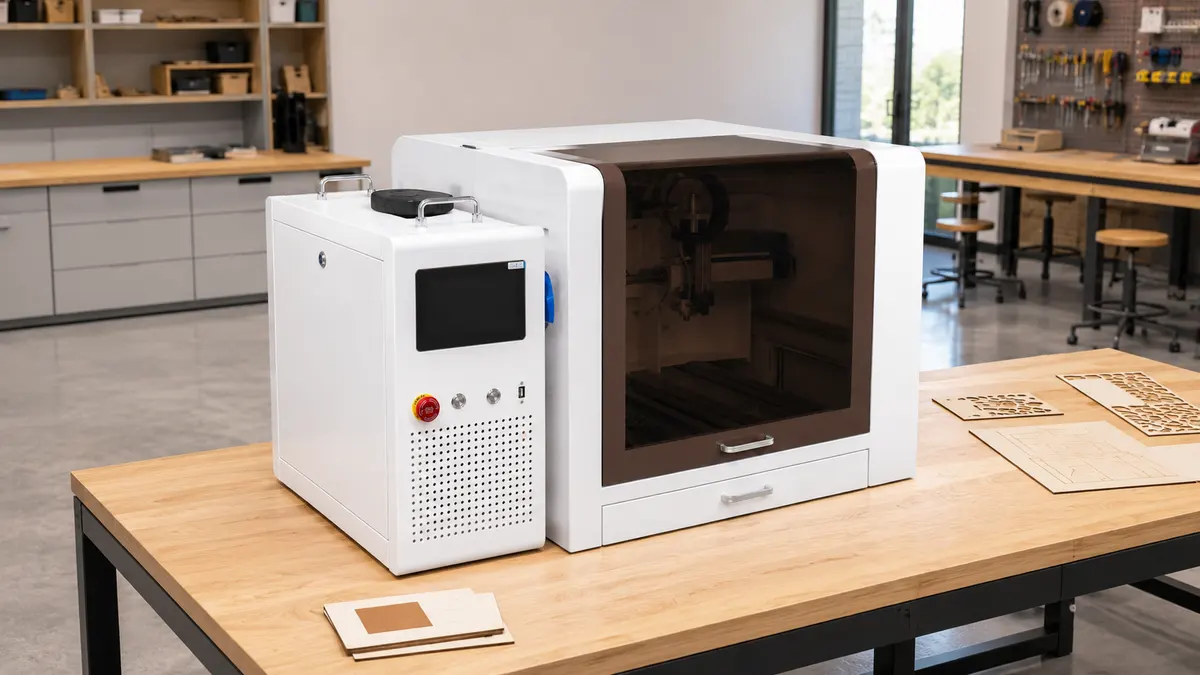 Engineering Training Lab


Workshop Processing and Production-Line Use with Laser cutter GL-40
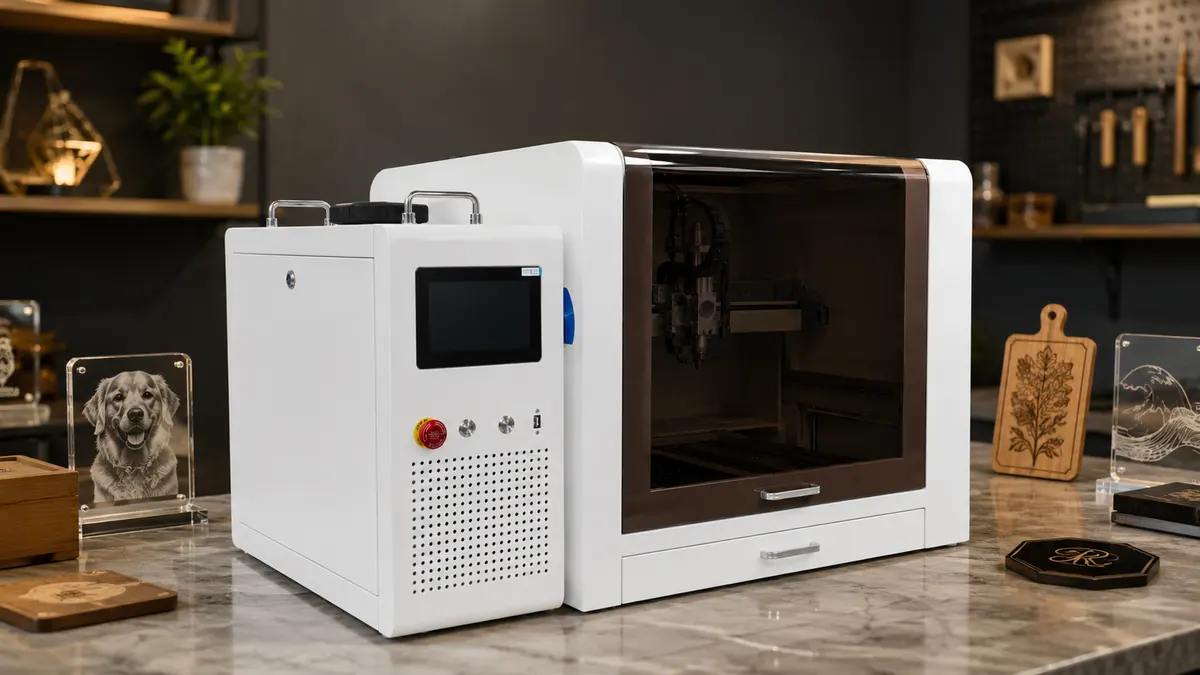
The enclosed GL-40 fits naturally into a jewelry metalworking studio, combining a visible work chamber, separate controls, and a compact bench-friendly footprint. The open safety cover exposes the visible processing area for sample placement, while the separate control cabinet keeps routine laboratory operation organized. The enclosed chamber and separate control cabinet sit naturally in a metalcraft studio, while the accessible lower drawer supports orderly daily use.
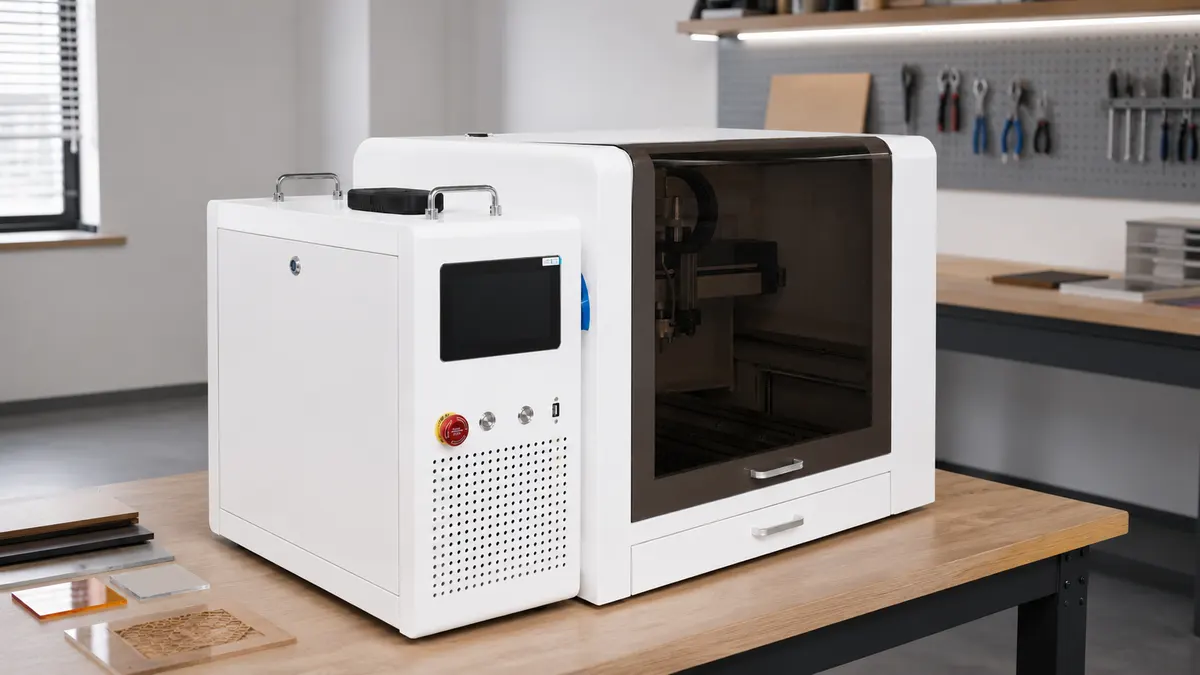 Precision Jewelry Workshop
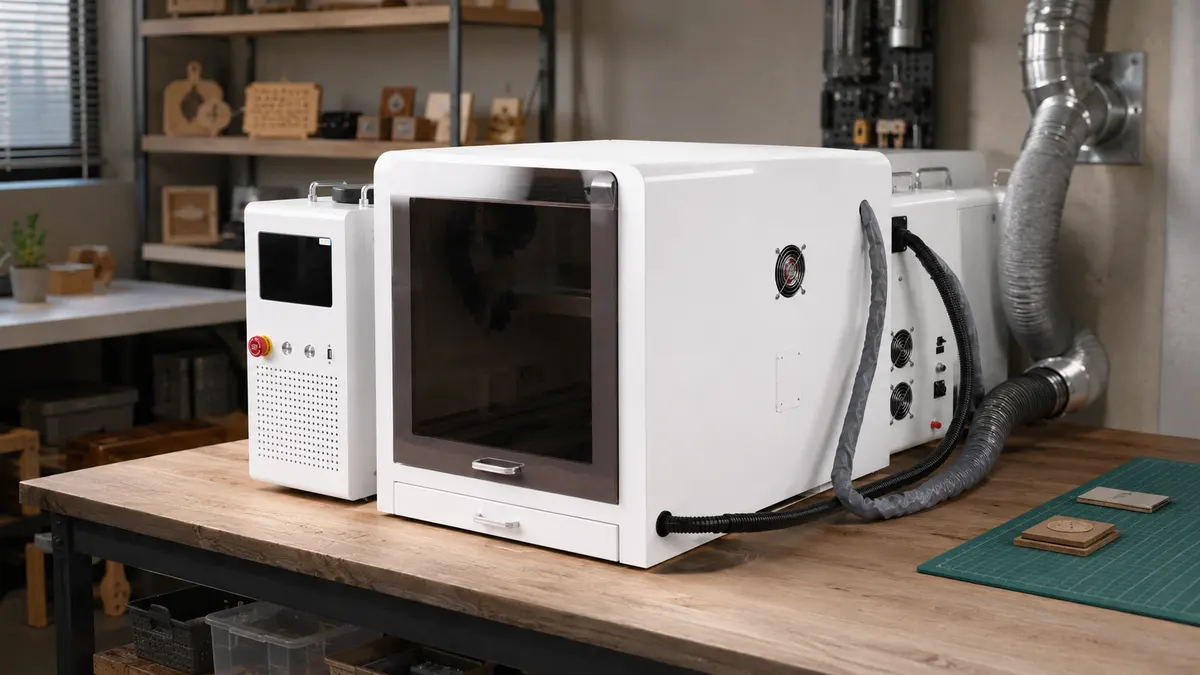 Electronics Prototyping Lab
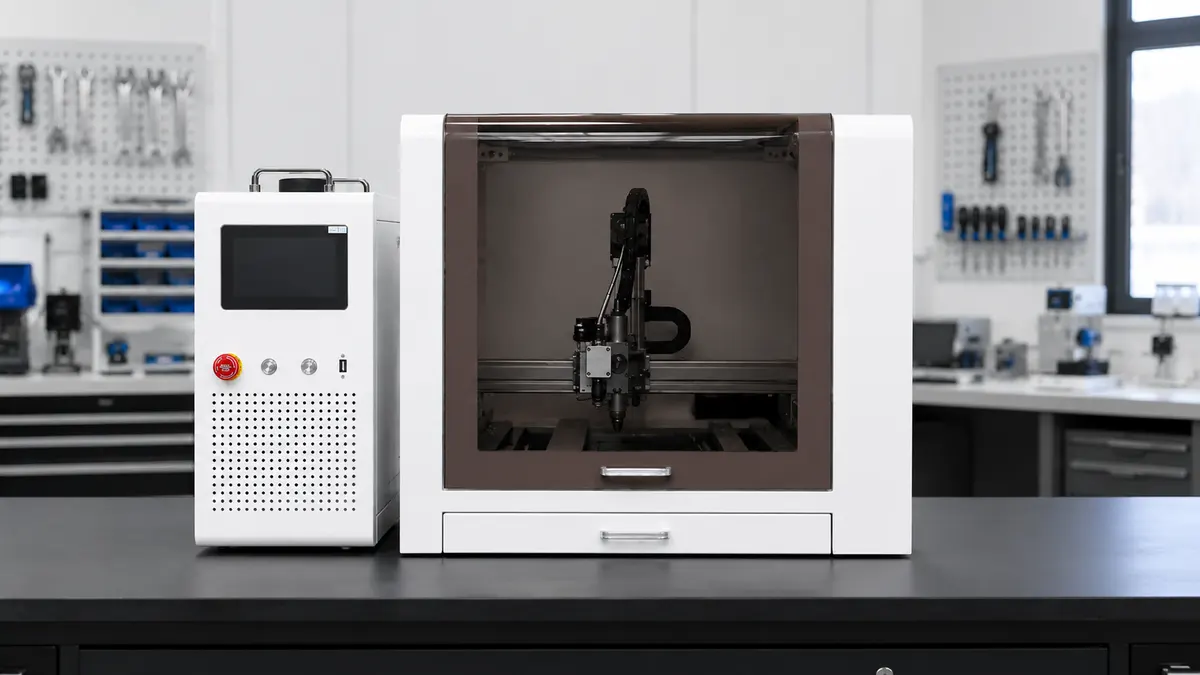 Metalcraft Studio ApplicationEngineering Training Lab
 Gift Customization StudioPrecision Jewelry WorkshopElectronics Prototyping Lab
Integrated touch-screen control panel, one-button start/stop, parameters clearly visible at a glance.
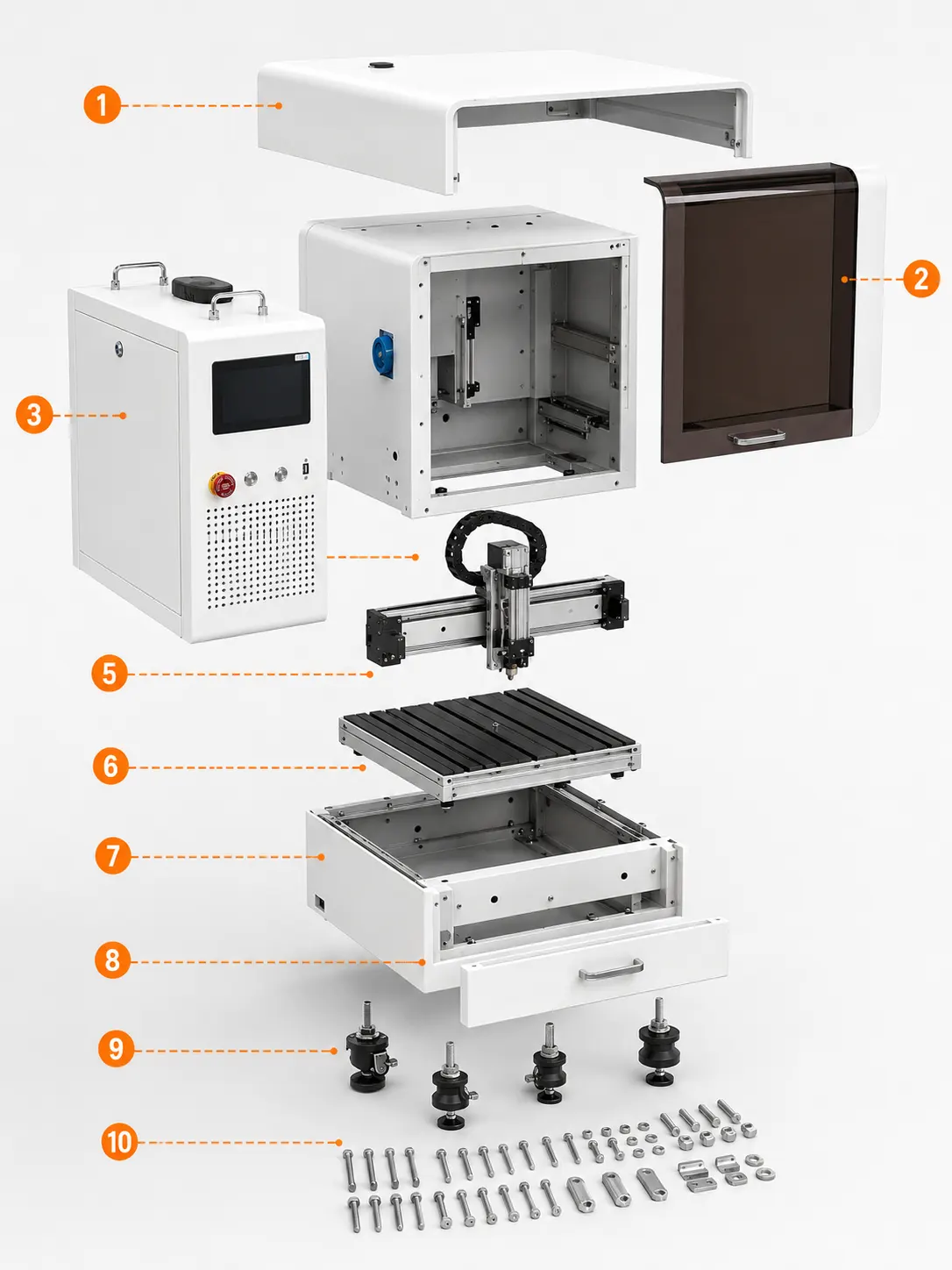
Covers the upper structure to reduce dust ingress and protect the machine.
Separates the processing area while allowing observation.
Integrates the display, emergency stop and operating controls.
Encloses the main processing area and moving mechanism.
Integrates the guides, gantry and processing head for positioning.
Provides stable, level support for the workpiece.
Supports the worktable and internal systems.

GL-40 Appearance and Operation. Compact structure, simple operation and stable performance during work.
00:23GL-40 Appearance and Operation. Compact structure, simple operation and stable performance during work.
01:21GL-40 Operation. Easy and flexible operation with stable running for smooth work.
Real on-site records from our factory, offering a practical view of our production capability and delivery readiness.
Our team is ready to advise you on the best product configuration and procurement plan.
info@eascoutia.com400 158 58991. It is commonly used for factories, fabrication shops, production cells and custom-processing workshops, subject to the selected model and site conditions.
2. Match material type, work size, capacity, accuracy, speed, control method, power and extraction needs to the actual workload and operating environment.
3. Confirm model, working area, power, tooling, control system and optional fixtures, then verify the response time and any special requirements.
4. Prepare rated utilities, safe operating clearance, ventilation or dust extraction and operator training; follow the manual for operation, inspection and routine maintenance.
 Simplified explanation