Supports the saw frame with a closed lower housing.
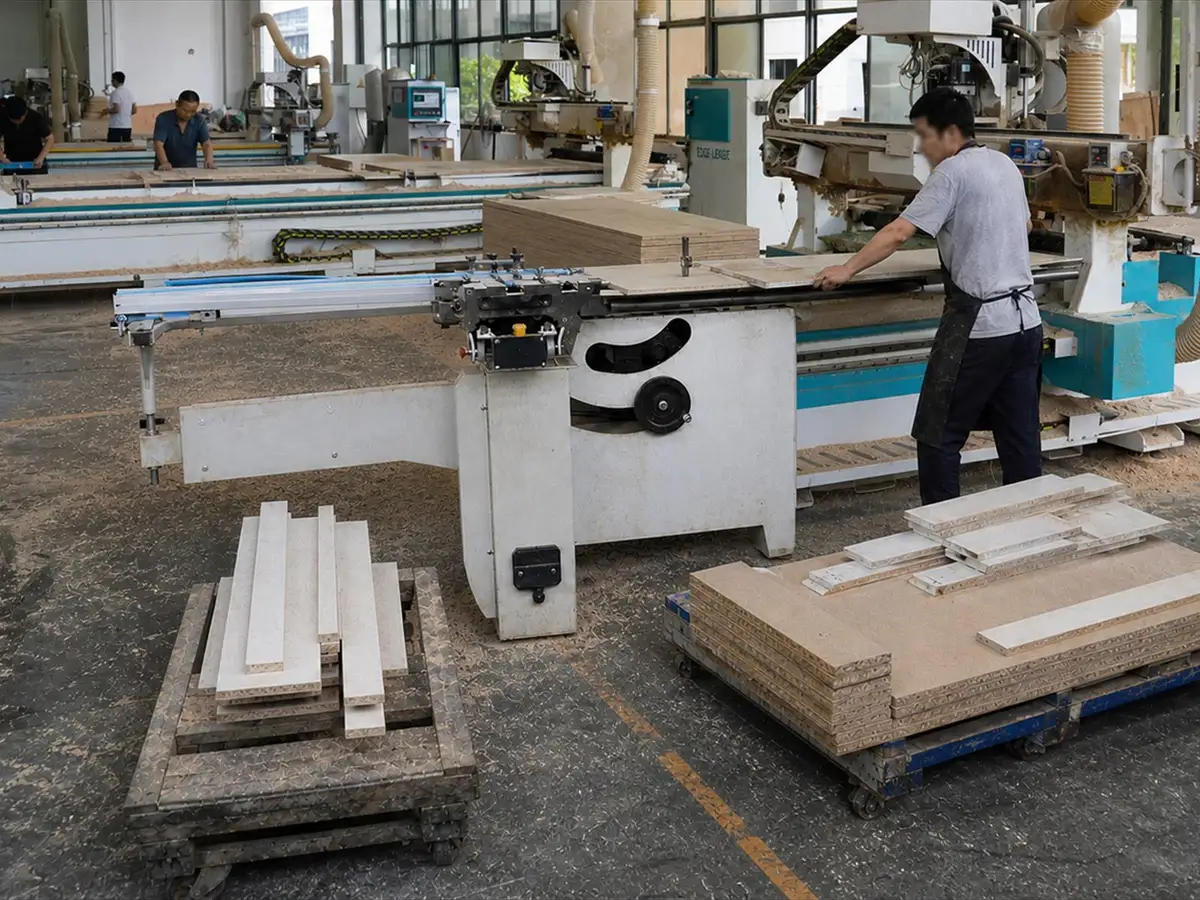 Batch panel cutting


Workshop Processing and Production-Line Use with Two angles to push the saw
Two angles to push the saw is suited to factories, fabrication shops, production cells and custom-processing workshops. It supports repeatable cutting, forming, marking, sealing, conveying or processing with defined materials and throughput. Before deployment, confirm material type, work size, capacity, accuracy, speed, control method, power and extraction needs.
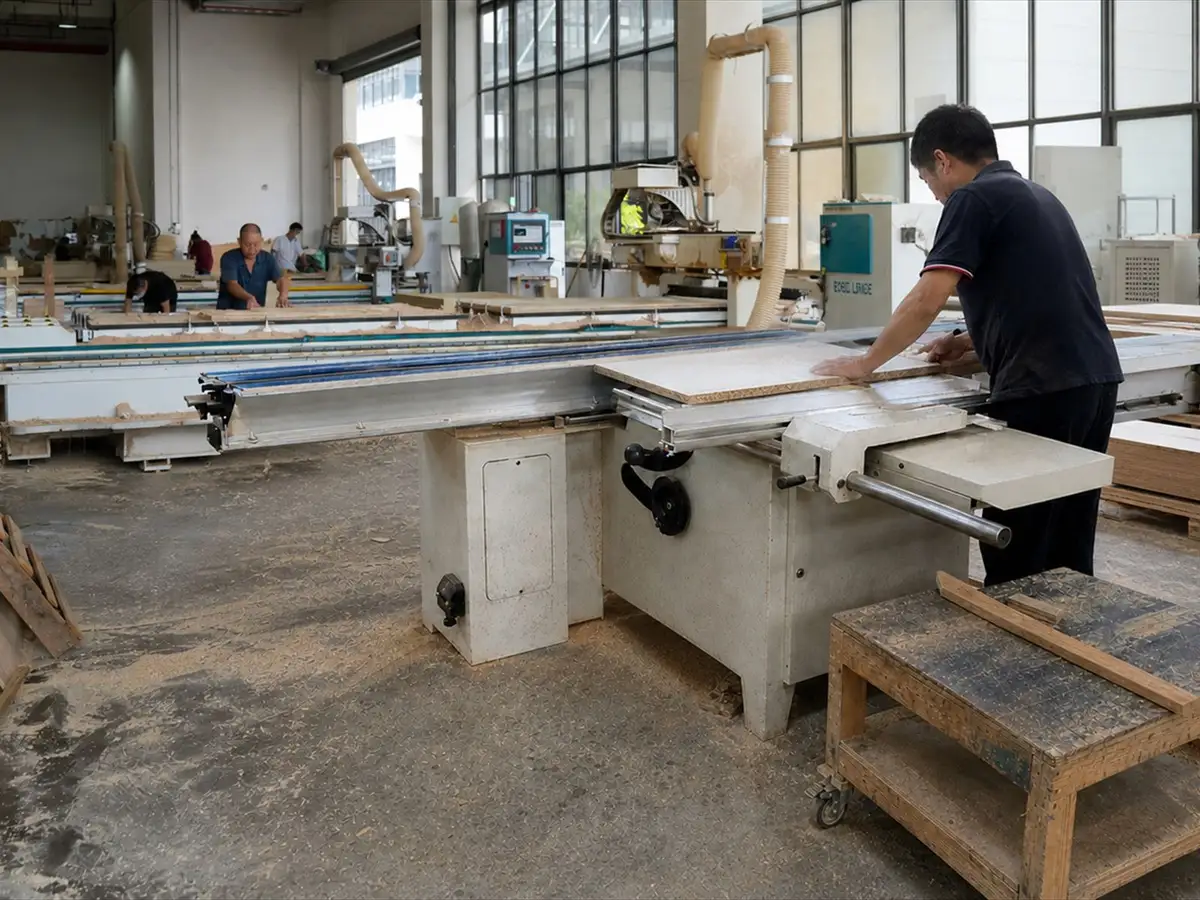 Sheet material cutting operations
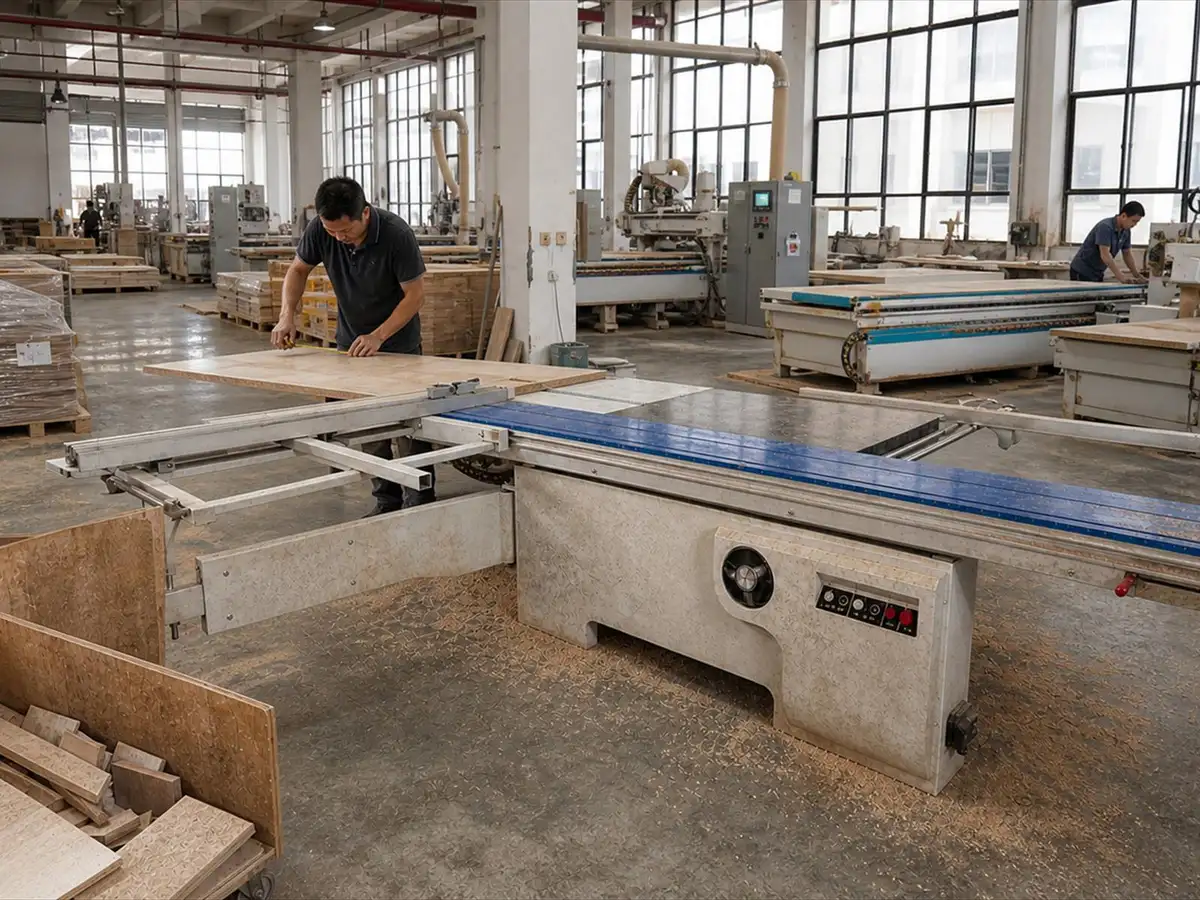 Cutting Dimension Verification
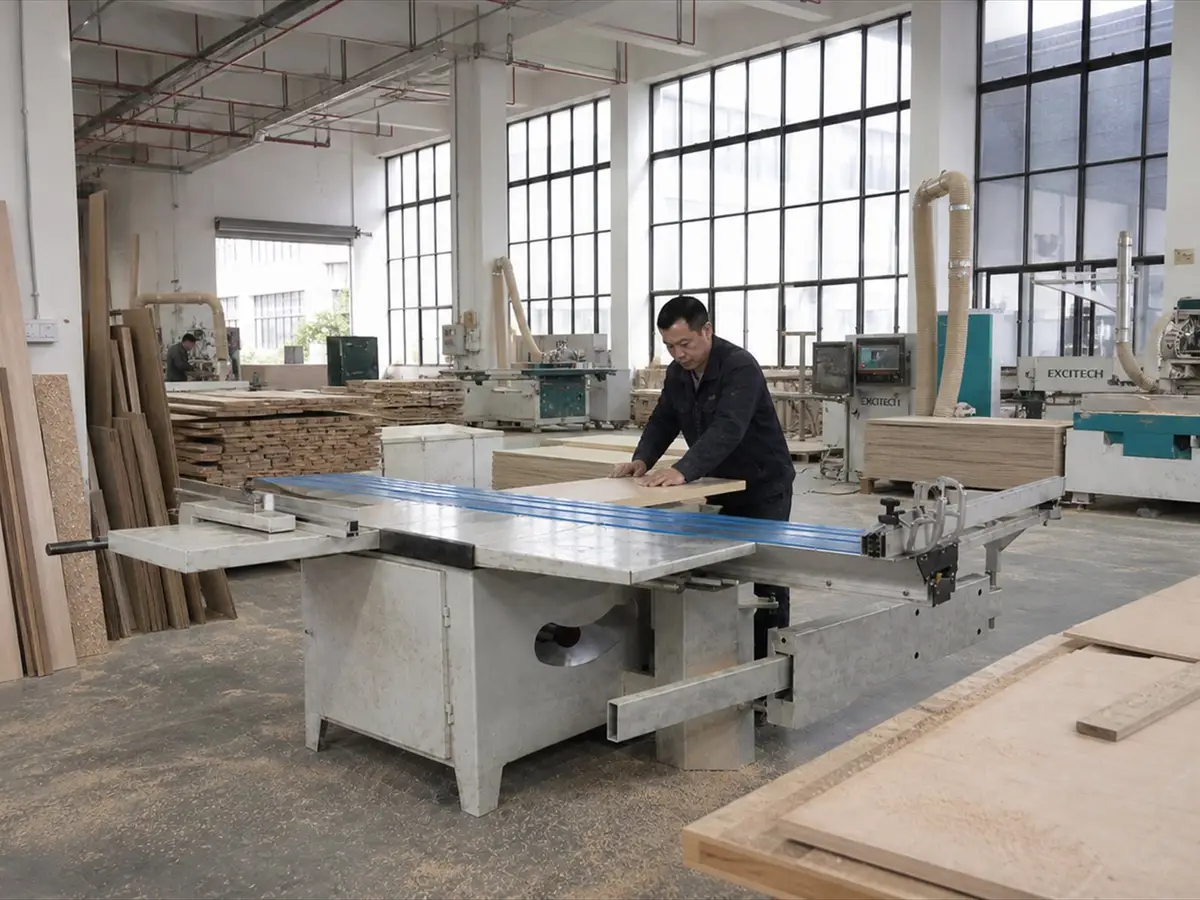 Precise cutting of cabinet panelsBatch panel cutting
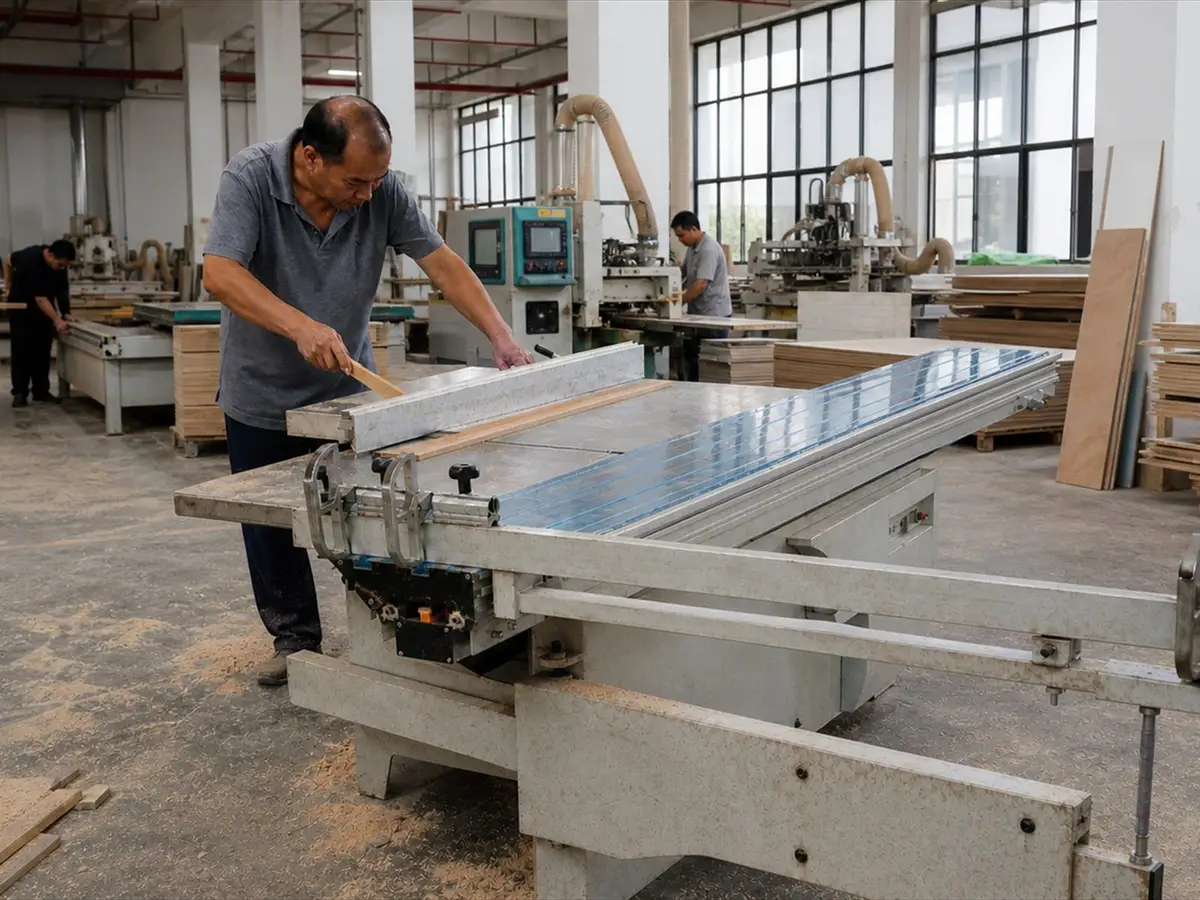 Narrow strip cutting operationSheet material cutting operationsCutting Dimension Verification
Scoring and main blades work together to prevent edge chipping.
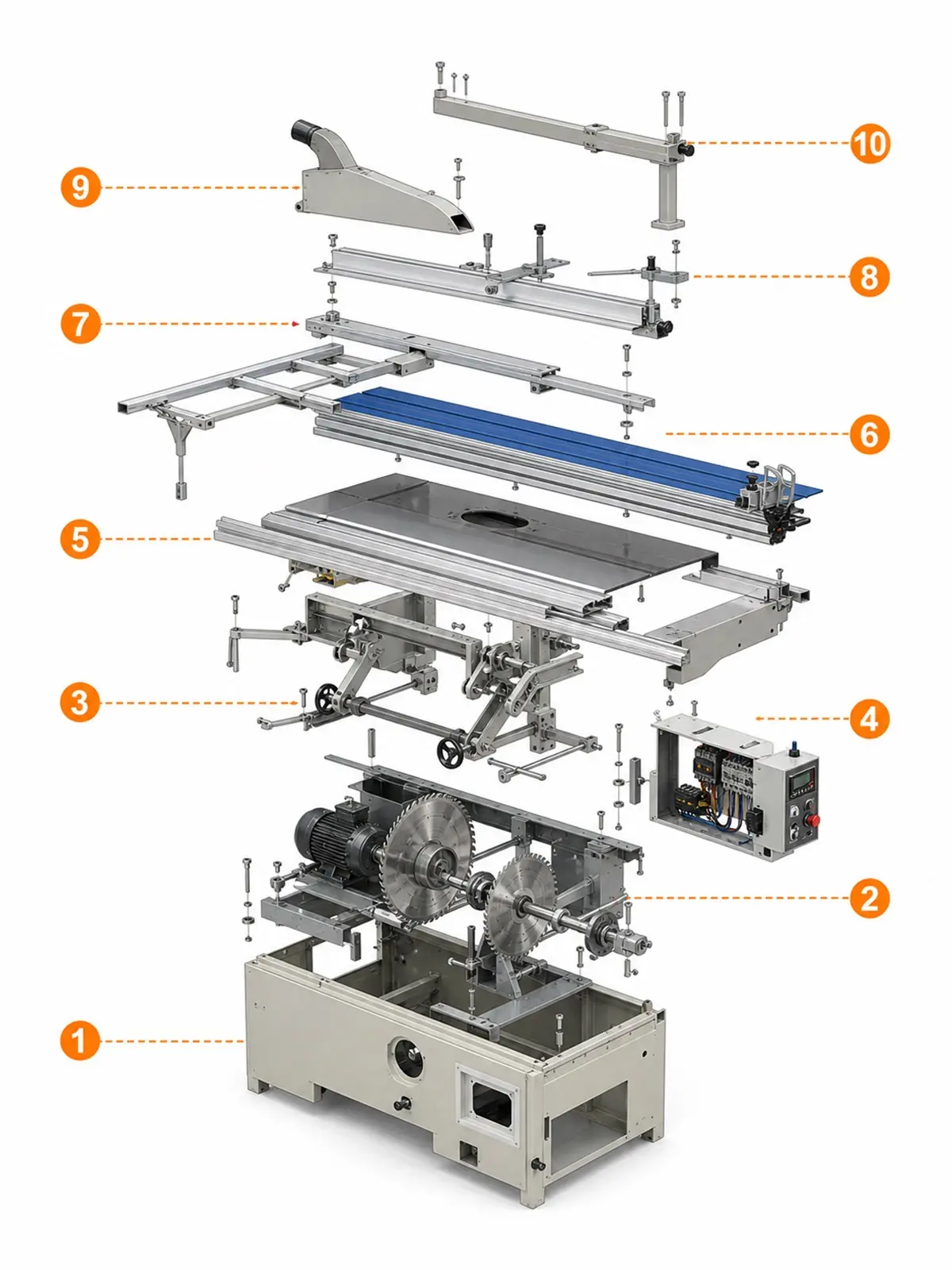
Supports the saw frame with a closed lower housing.
Provides the guided support surface for sheet movement.
Supports longitudinal positioning along the visible rail.
Supports repeatable crosscut positioning at the sliding table.
Covers the visible cutting zone during operation.
Supports larger panels beside the main table.
Provides the visible setup and adjustment interface.
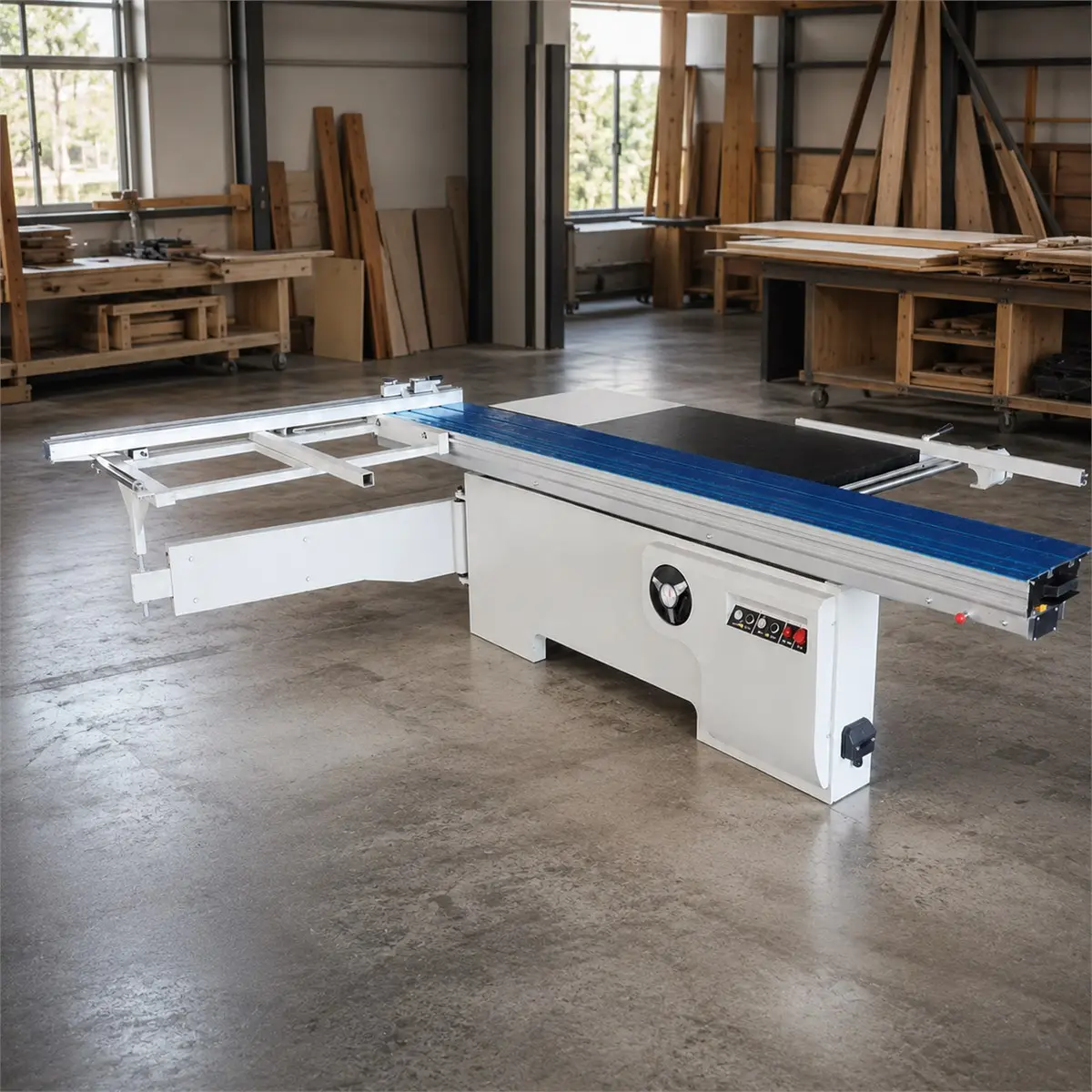
MH-45 demonstration. Compact structure, practical configuration, to meet diverse panel processing requirements.
00:42MH-45 demonstration. Compact structure, practical configuration, to meet diverse panel processing requirements.
00:39MH-45 operation. On-site practical demo, smooth feeding and stable processing for panel work.
00:32Product packaging. MH-45 packed in export wooden case, shockproof and moisture-proof, sturdy protection for international ocean shipment.
00:15Product loading. MH-45 hoisted and strapped firmly to avoid shaking damage during sea shipment.
Real on-site records from our factory, offering a practical view of our production capability and delivery readiness.
We centrally purchase equipment, test the data and the machine, then publish the models that clear our review. You get a shorter path from "could work" to a quote your team can act on.
Our team is ready to advise you on the best product configuration and procurement plan.
info@eascoutia.com400 158 58991. It is commonly used for factories, fabrication shops, production cells and custom-processing workshops, subject to the selected model and site conditions.
2. Match material type, work size, capacity, accuracy, speed, control method, power and extraction needs to the actual workload and operating environment.
3. Confirm model, working area, power, tooling, control system and optional fixtures, then verify the response time and any special requirements.
4. Prepare rated utilities, safe operating clearance, ventilation or dust extraction and operator training; follow the manual for operation, inspection and routine maintenance.
 Simplified explanation
