Provides back support and training alignment.
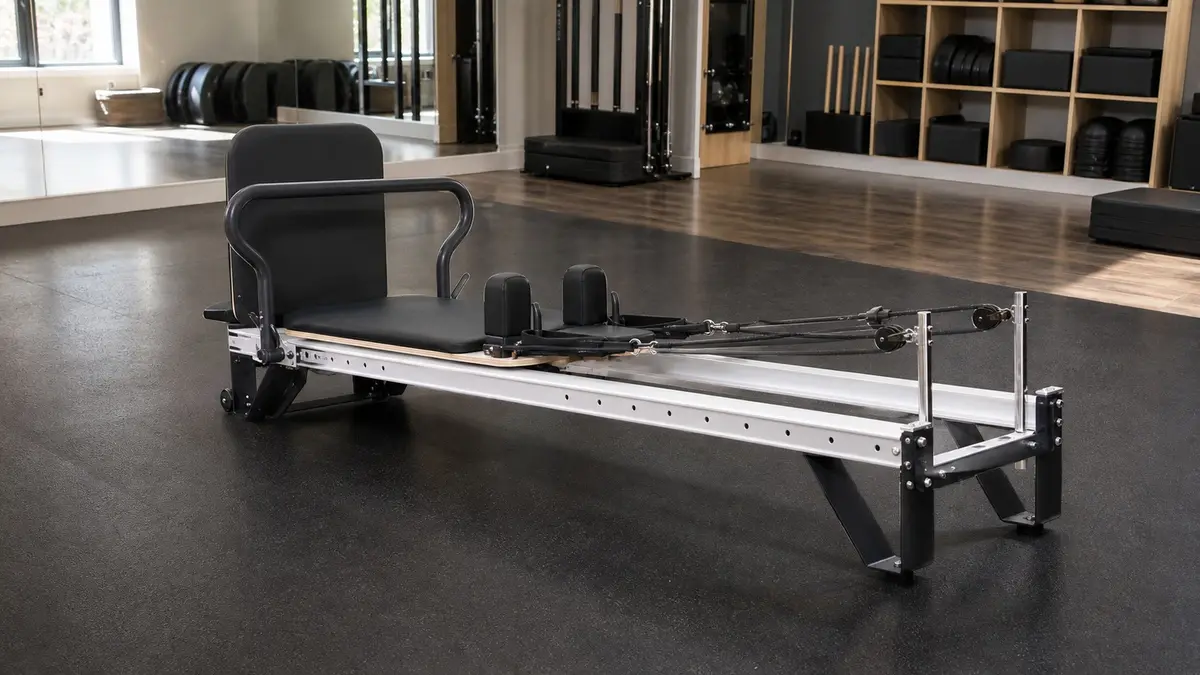 Classroom-level equipment display


Gym Training and Fitness Center Use with White aluminium alloy core bed
White aluminium alloy core bed is suited to commercial gyms, training studios, rehabilitation rooms and fitness assessment areas. It supports repeatable exercise or measurement routines for users with different body sizes and training goals. Before deployment, confirm user range, resistance or measurement functions, footprint, load and adjustment options.
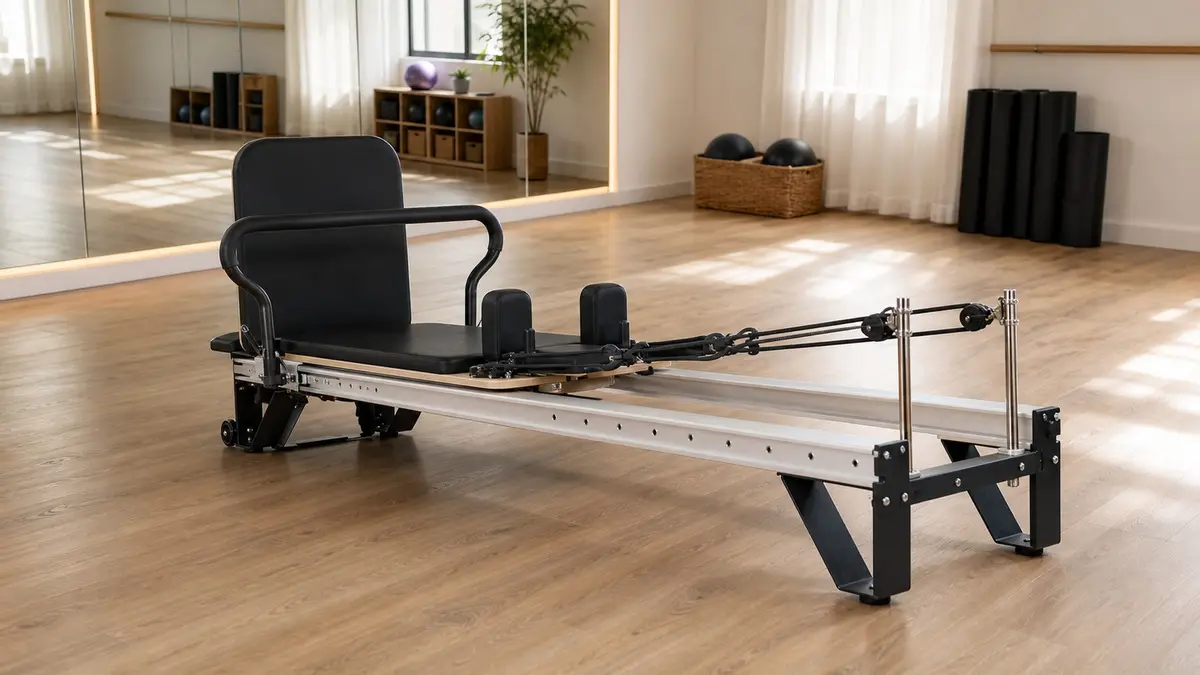 Bright Studio Core Training
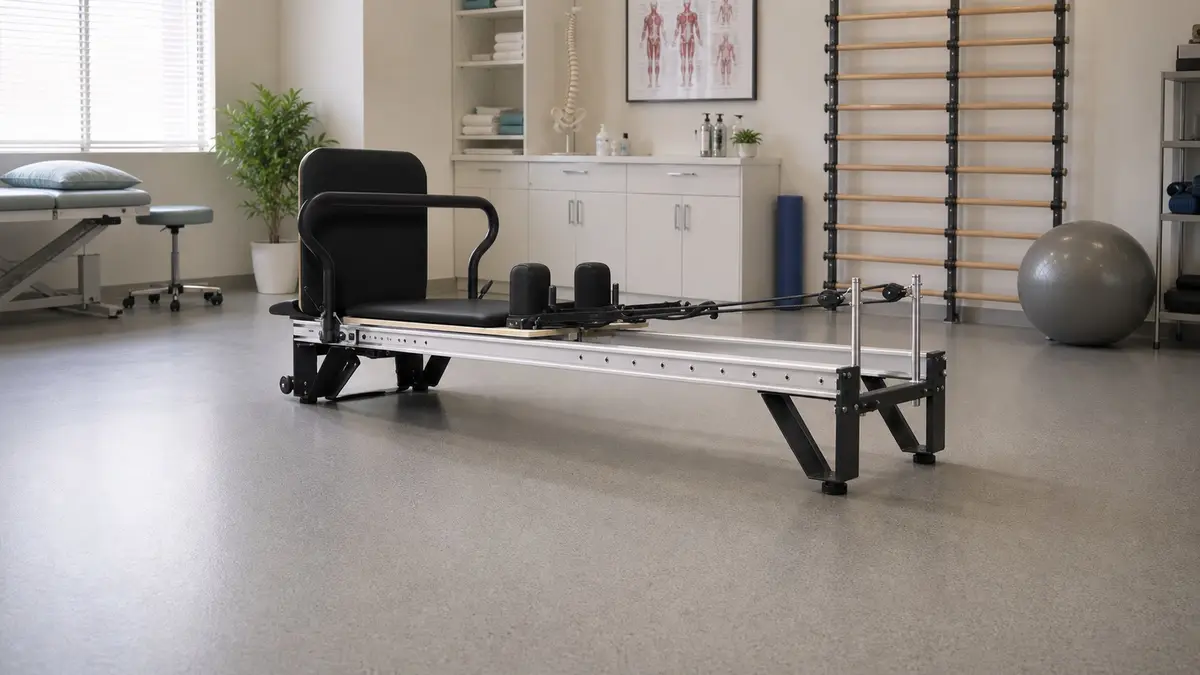 Rehabilitation training space adaptation
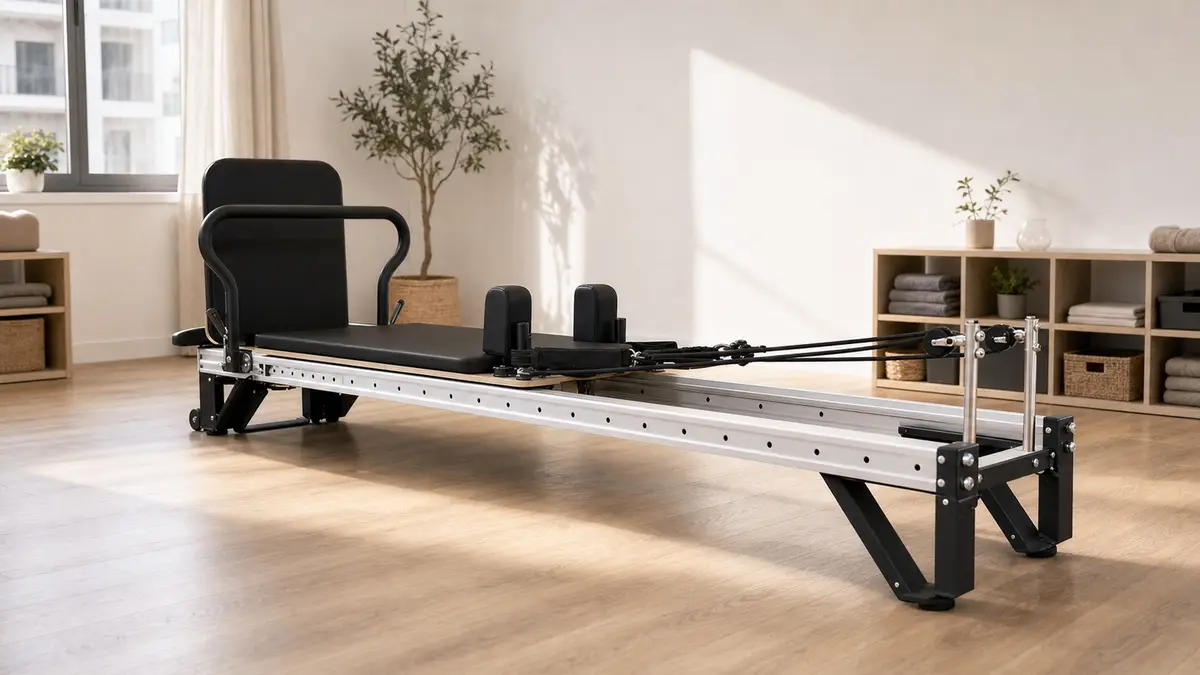 Home Fitness CornerClassroom-level equipment display
 A serene scene at the health and wellness clubBright Studio Core TrainingRehabilitation training space adaptation

Provides back support and training alignment.
It supports the body and moves smoothly along the track.
Stabilize the shoulder position to enhance training stability.
It provides auxiliary support for the body, enhancing user safety.
Connects to the resistance system and transmits the training tension.
Support the pulley and adjust the height of the pull rope.
Used for the connection and adjustment of backrest and support components.
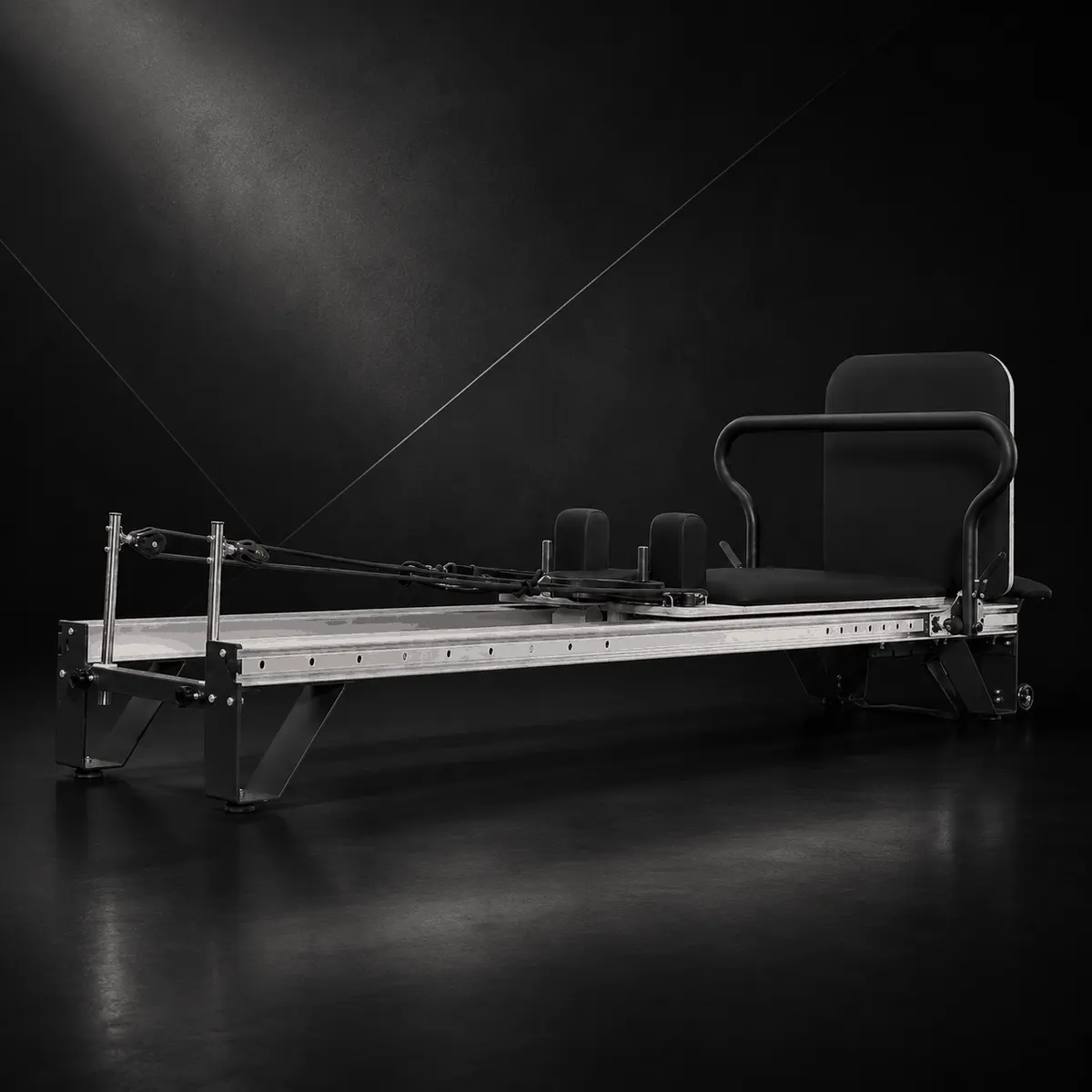
White aluminum alloy pilates core bed, light, rust-resistant and stable, ideal for professional studios.
01:24White aluminum alloy pilates core bed, light, rust-resistant and stable, ideal for professional studios.
00:25yard logistics in action: forklifts shuttle between container and cargo area, moving from outdoor loading to indoor storage — smooth and efficient dispatch.
00:16This fitness equipment is packed with shockproof materials and fixed tightly for safe long-distance transport.
Real on-site records from our factory, offering a practical view of our production capability and delivery readiness.
Our team is ready to advise you on the best product configuration and procurement plan.
info@eascoutia.com400 158 58991. It is commonly used for commercial gyms, training studios, rehabilitation rooms and fitness assessment areas, subject to the selected model and site conditions.
2. Match user range, resistance or measurement functions, footprint, load and adjustment options to the actual workload and operating environment.
3. Confirm model, upholstery or frame color, dimensions and accessory package, then verify the response time and any special requirements.
4. Prepare level flooring, adequate safety clearance and scheduled inspection of moving or sensing parts; follow the manual for operation, inspection and routine maintenance.



 Simplified explanation