Integrates a laser gun, cables, and protective sheathing, enabling flexible mobile operations.
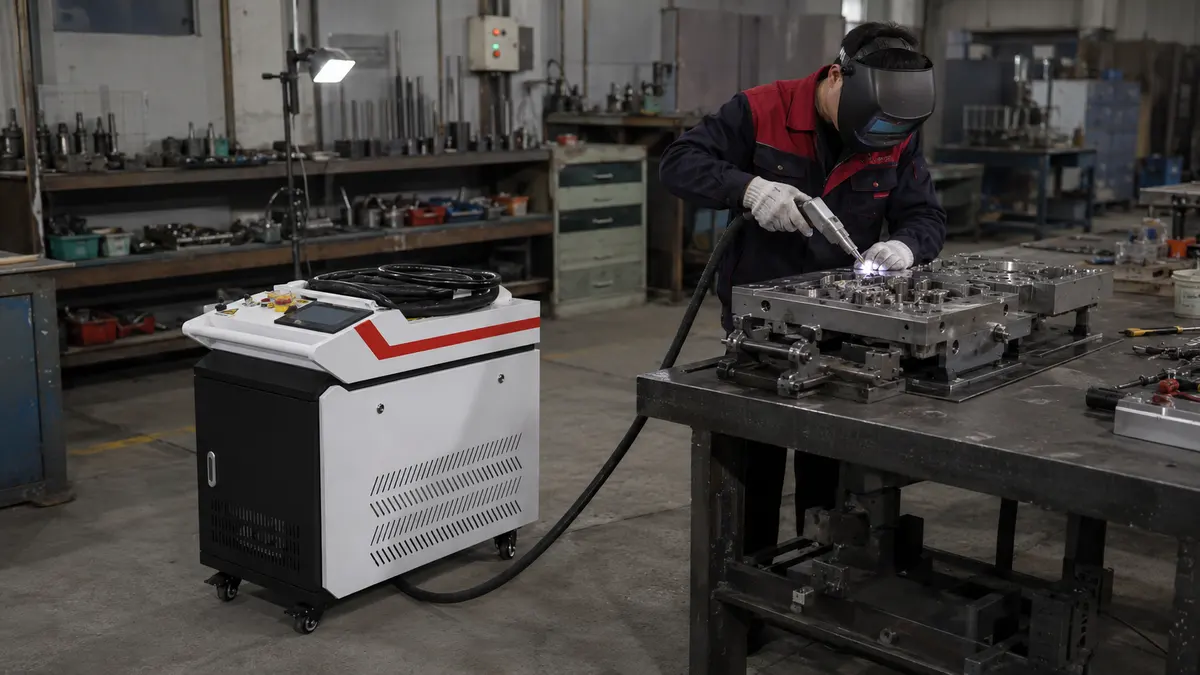 Mold welding repair


Workshop Processing and Production-Line Use with Laser welding and equipment
Laser welding and equipment is suited to factories, fabrication shops, production cells and custom-processing workshops. It supports repeatable cutting, forming, marking, sealing, conveying or processing with defined materials and throughput. Before deployment, confirm material type, work size, capacity, accuracy, speed, control method, power and extraction needs.
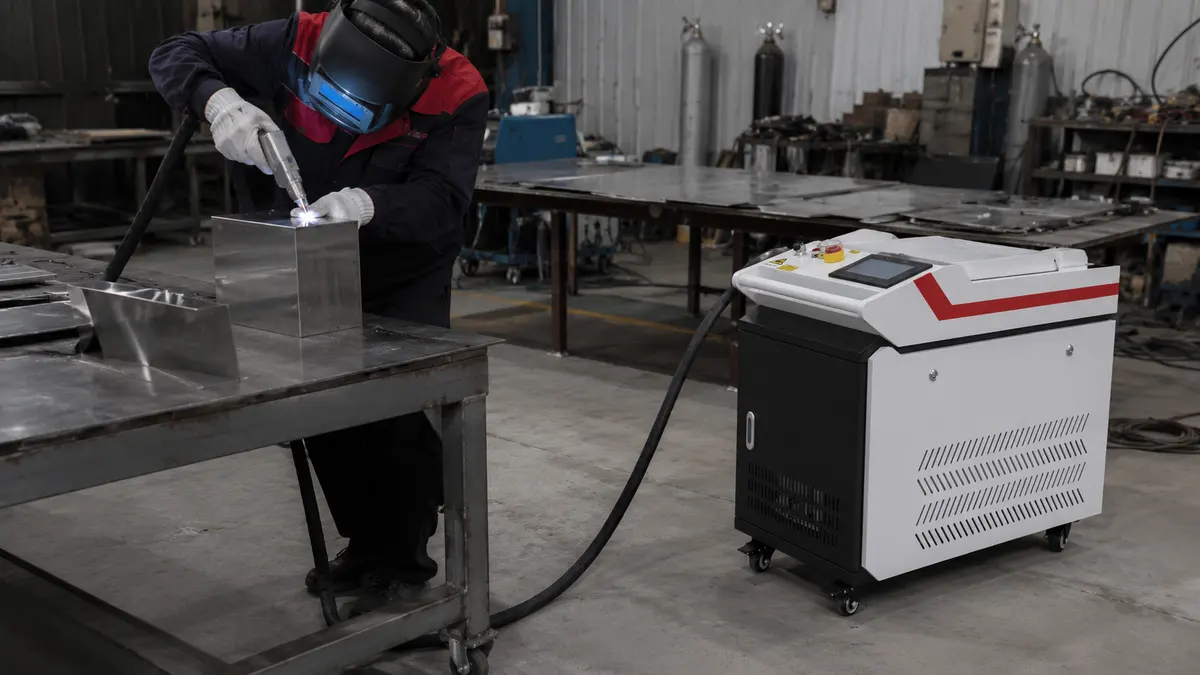 Stainless steel enclosure welding
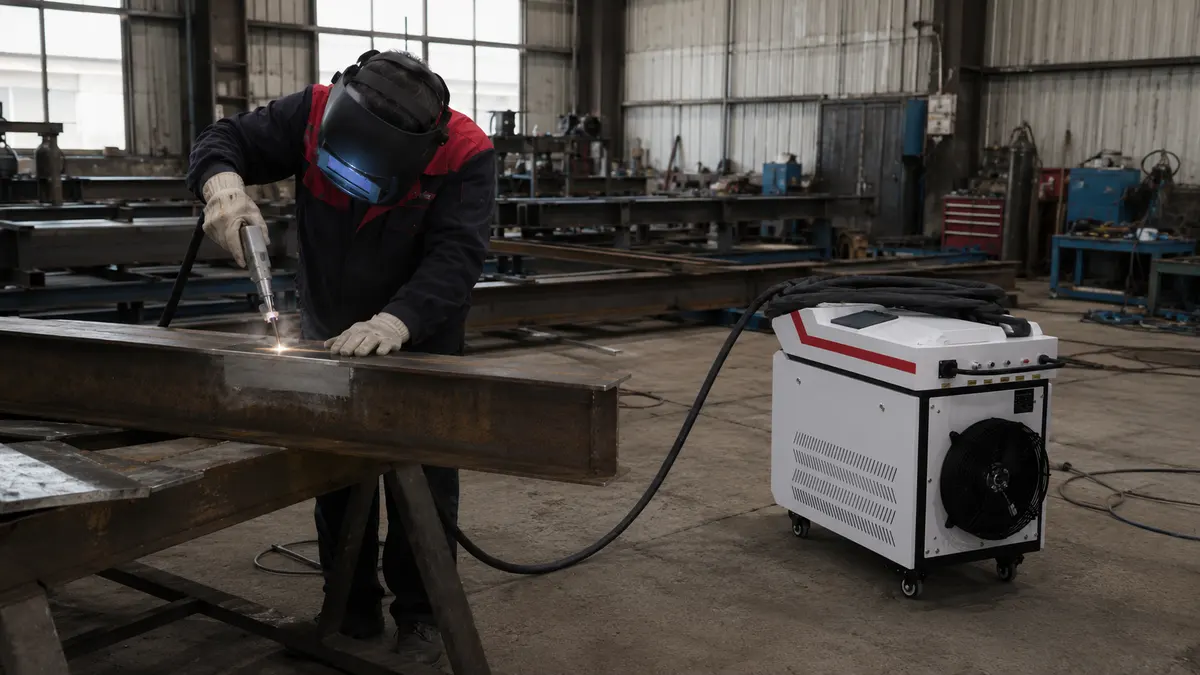 Welding of Steel Beam Structures
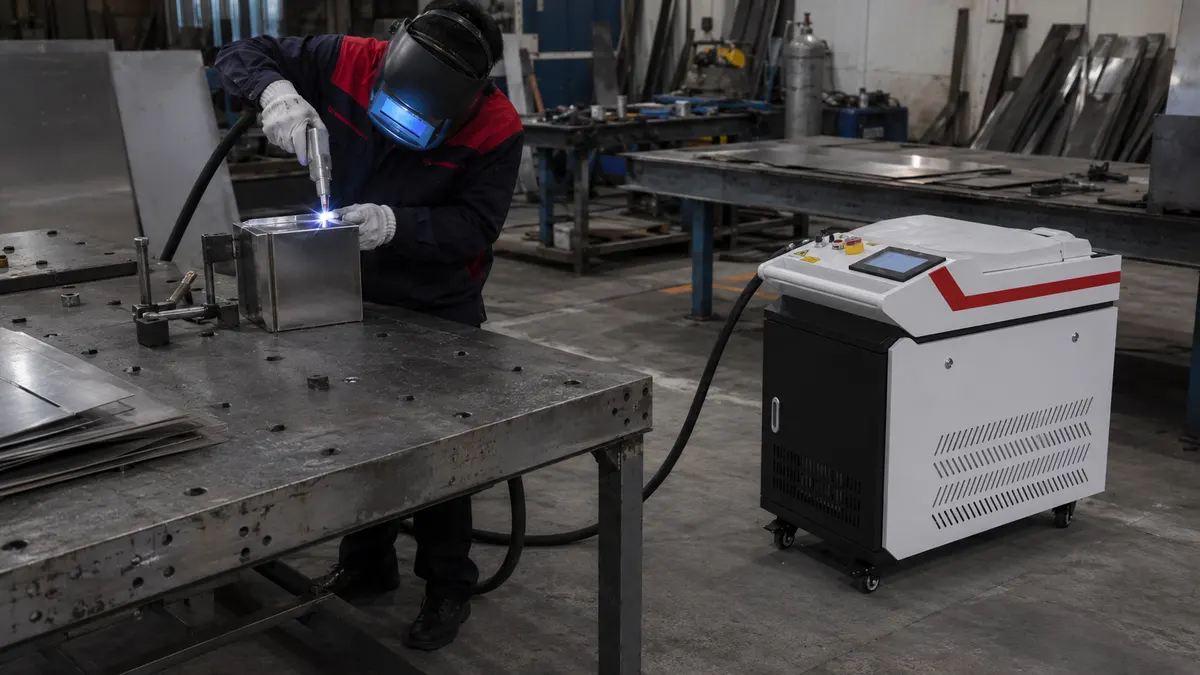 Assembly of metal componentsMold welding repair
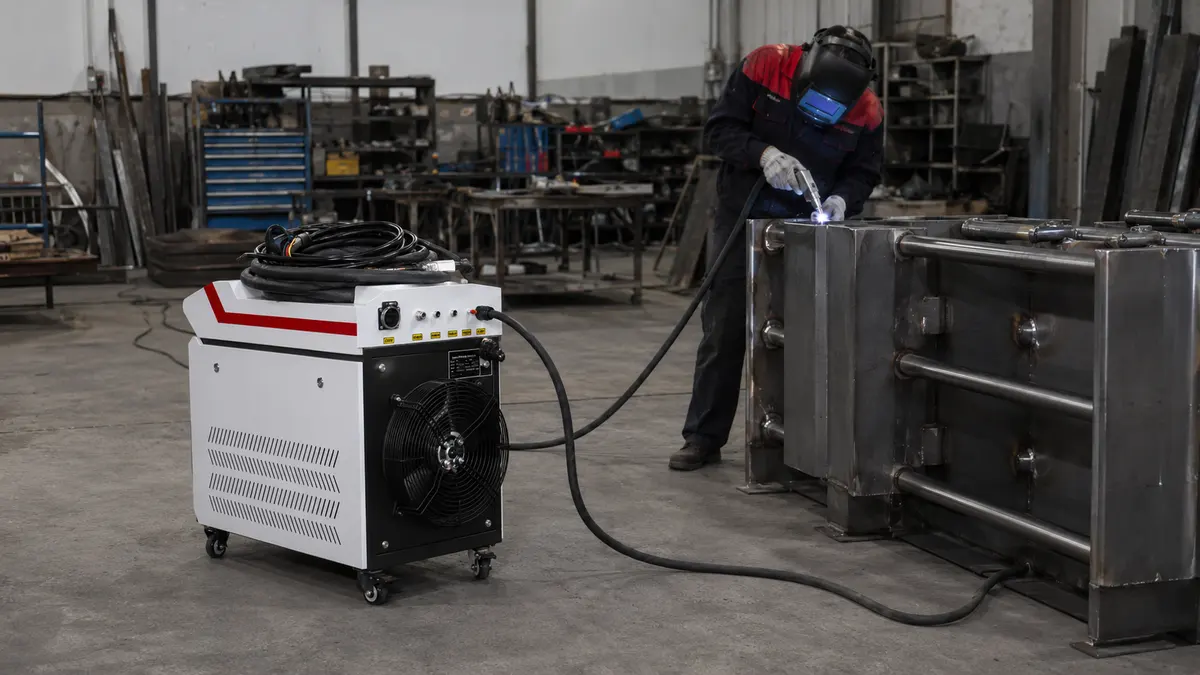 Large-scale frame weldingStainless steel enclosure weldingWelding of Steel Beam Structures
GH-1500 laser cleaning machine polishes and removes rust efficiently, leaving the base metal intact.
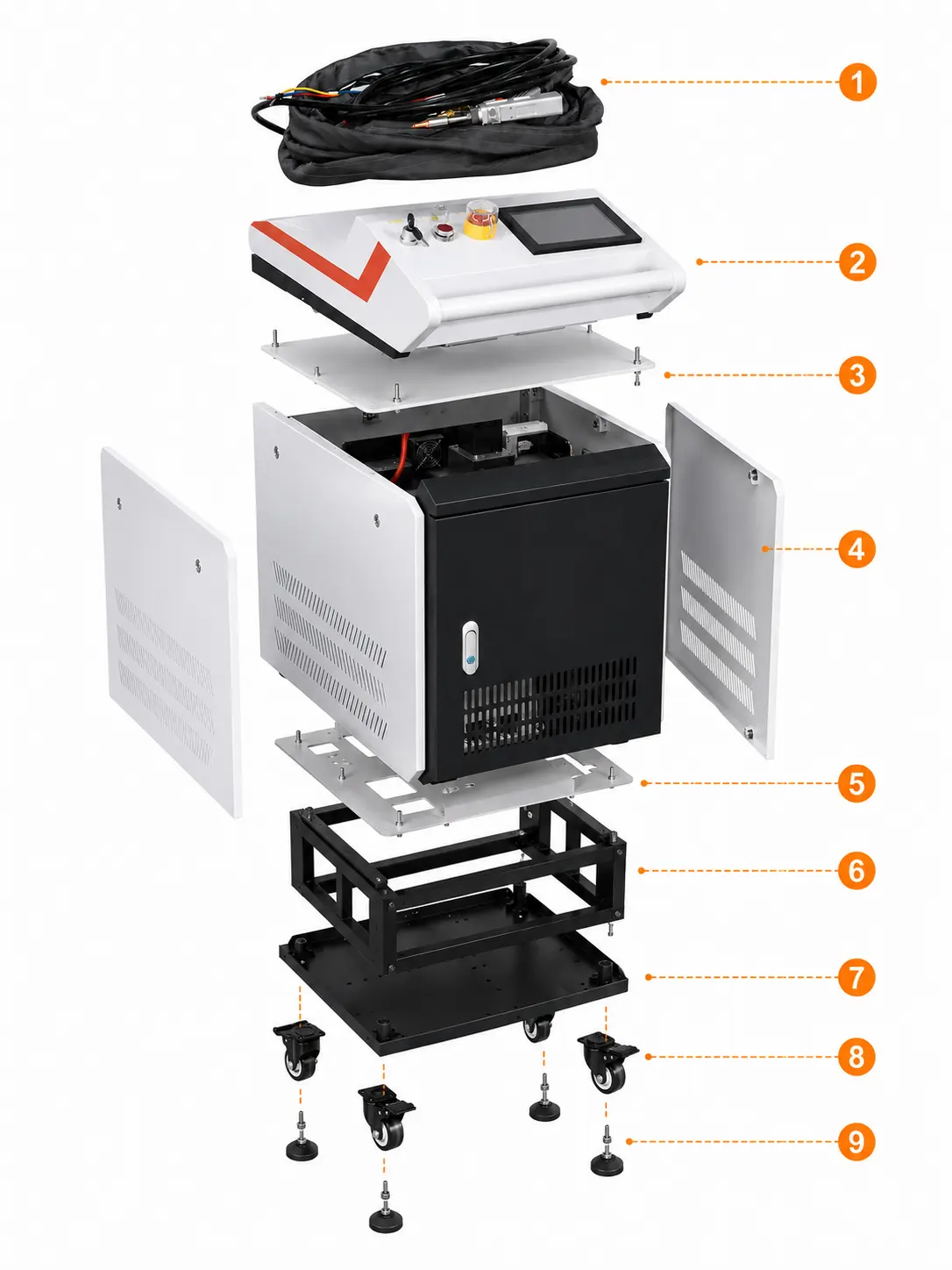
Integrates a laser gun, cables, and protective sheathing, enabling flexible mobile operations.
Equipped with a touchscreen, an emergency stop button, and adjustment controls, the operation is centralized and intuitive.
Connect the control panel to the main body to enhance internal structural protection.
Removable ventilation structure for easy internal heat dissipation and maintenance.
It supports the host’s core modules and ensures stable internal mounting.
The metal frame securely connects the fuselage to the mobile chassis.
Supports the entire machine’s weight and enhances the stability of equipment placement.
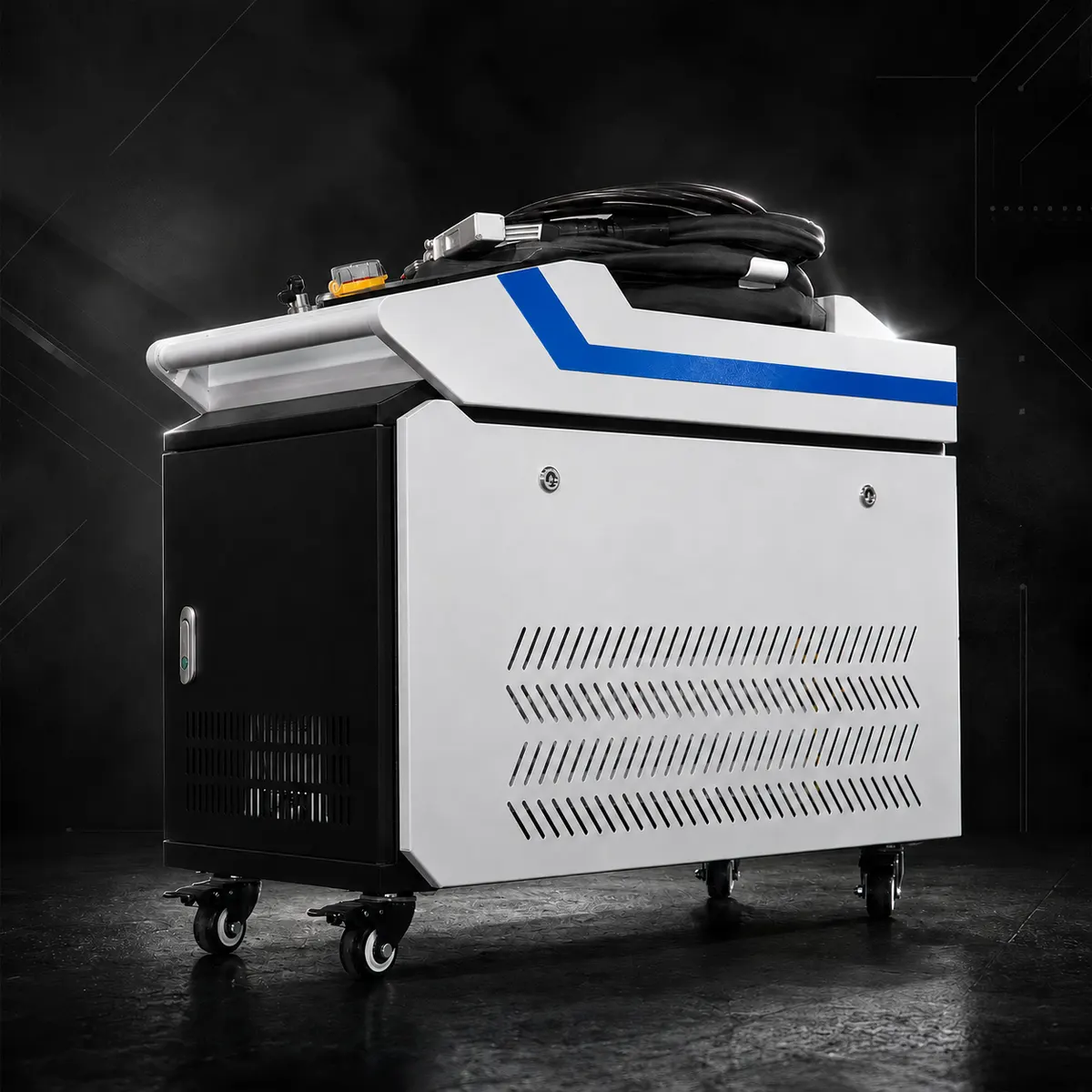
Full display of GH-1500 laser machine. It supports laser cutting, welding and rust removal for multi-purpose metal processing.
00:24Full display of GH-1500 laser machine. It supports laser cutting, welding and rust removal for multi-purpose metal processing.
00:39We carry out actual measurement on GH-1500 laser machine to verify its real working parameters and stable performance.
00:08Products will be carefully packed and film wrapped before delivery for safe transportation.
Real on-site records from our factory, offering a practical view of our production capability and delivery readiness.
We centrally purchase equipment, test the data and the machine, then publish the models that clear our review. You get a shorter path from "could work" to a quote your team can act on.
Our team is ready to advise you on the best product configuration and procurement plan.
info@eascoutia.com400 158 58991. It is commonly used for factories, fabrication shops, production cells and custom-processing workshops, subject to the selected model and site conditions.
2. Match material type, work size, capacity, accuracy, speed, control method, power and extraction needs to the actual workload and operating environment.
3. Confirm model, working area, power, tooling, control system and optional fixtures, then verify the response time and any special requirements.
4. Prepare rated utilities, safe operating clearance, ventilation or dust extraction and operator training; follow the manual for operation, inspection and routine maintenance.
 Simplified explanation
