Construction, Earthmoving and Site Operations with Excavators

Professional application of Excavators

Excavators is suited to construction sites, utility work, landscaping and earthmoving projects. It supports excavation, compaction, drilling or site preparation matched to access, ground and workload. Before deployment, confirm operating weight, working range, power, ground pressure, attachment needs and transport limits.

  • Construction Sites
  • Utility Work
  • Landscaping
  • Earthmoving

Product Advantages

The offset boom swings left-right along walls, reducing full-machine repositioning.

Specifications & Structural Decomposition

General information

Excavator
Operating Weight/Tonnage
0.96 tons
Cab Type
Optional Canopy or Cab
Product Description
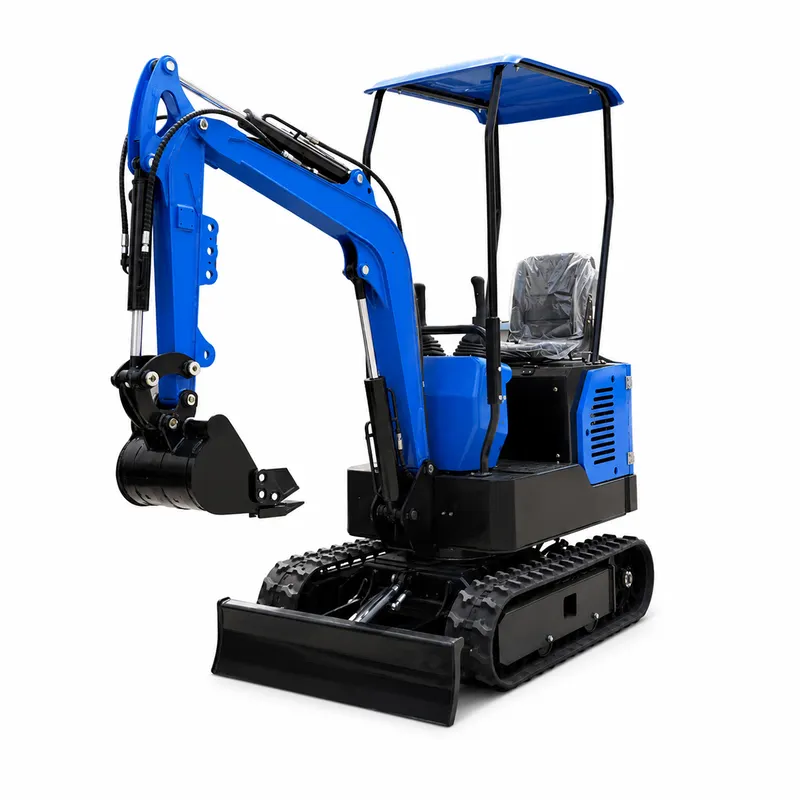
+Model: ME15 +Operating Weight: 1,500 kg +Standard Engine: RT420 +Rated Power: 15 HP +Control Type: Mechanical Manual Control +Standard Toothed Bucket Width: 400 mm +Undercarriage: Rubber Track +Standard Attachment: Toothed Digging Bucket
Power
15HP
Track Type
Rubber Track: 180 × 72 × 41
Performance Specifications
Engine: RATO 420 Rated Power: 15 HP Rated Speed: 3600 rpm Number of Cylinders: Single cylinder Cooling System: Air-cooled Fuel Type: Diesel Theoretical Fuel Consumption: 1 L/h
Engine Type
Gasoline Engine

General instructions

Simplified explanation
Product Attachments or Core Configurations

Assessment 4

Assessment 4

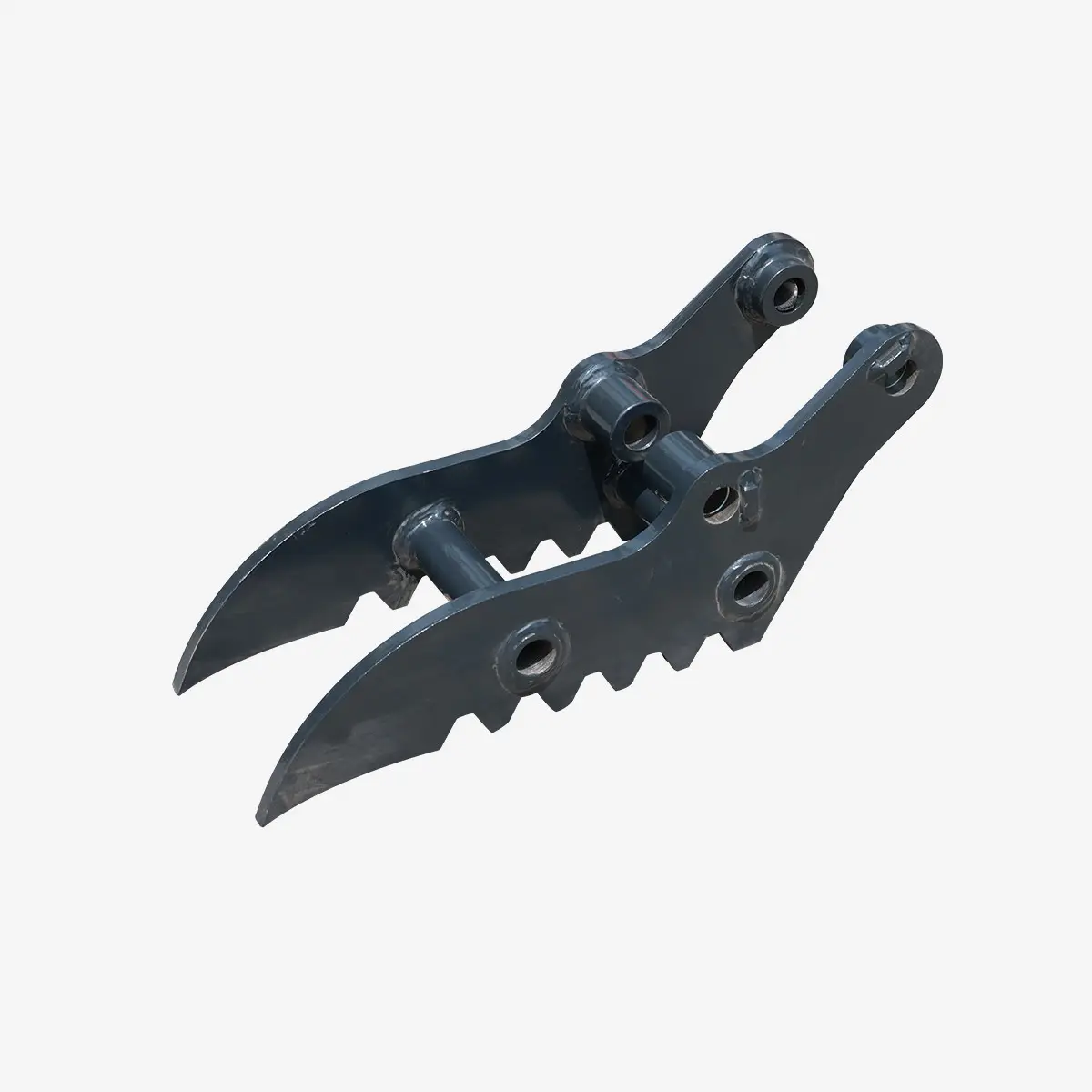
The fixed-link thumb works with the bucket to retain branches, stones and irregular material.

Conclusion principle

Conclusion principle

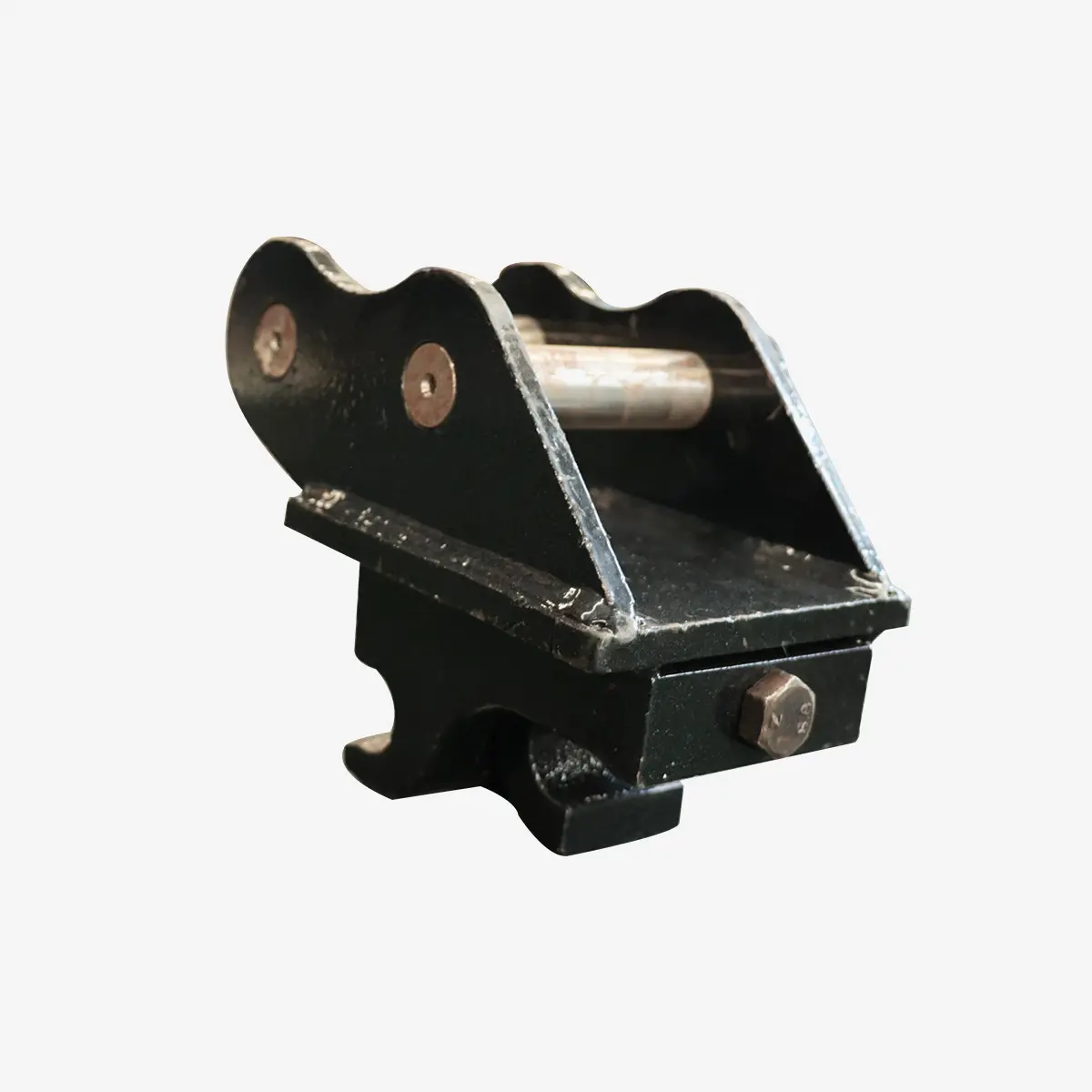
A mechanical locking interface supports practical tool changes through a compact connection.

Positioning check

Positioning check

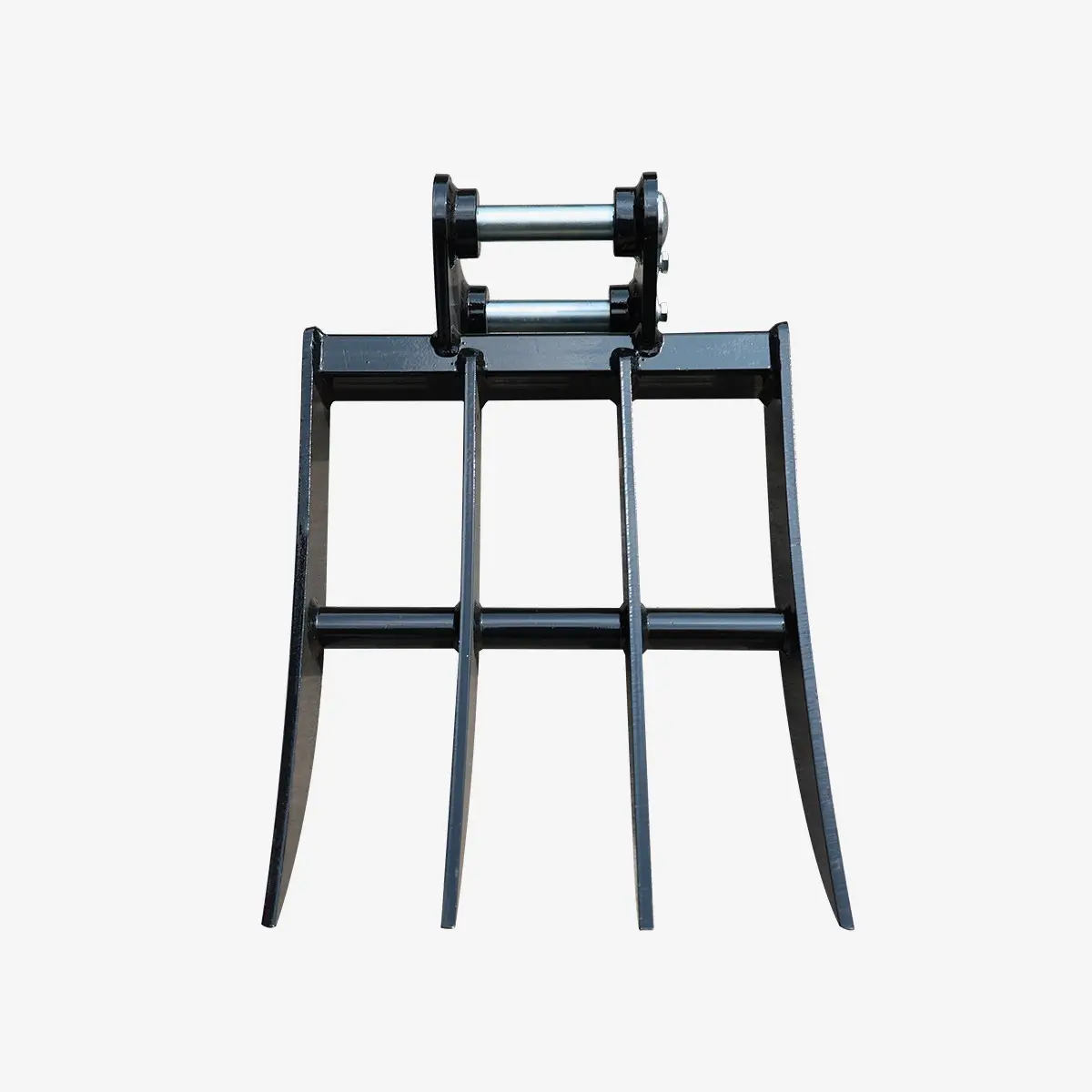
Rigid tines gather loose debris and level disturbed ground during suitable finishing work.

Assessment 1

Assessment 1

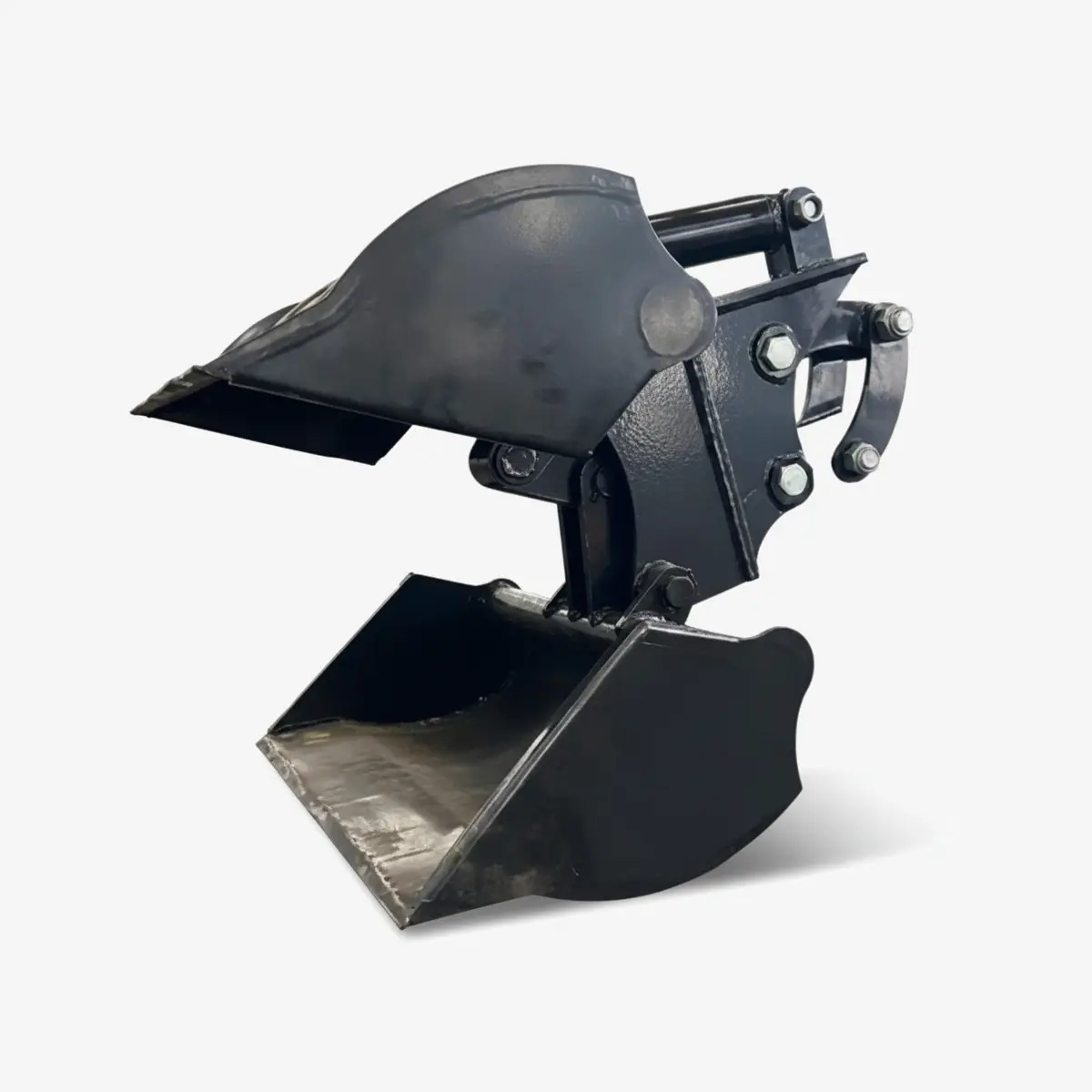
Opposed bucket shells close around loose material for pickup and placement in confined work areas.

Assessment 2

Assessment 2

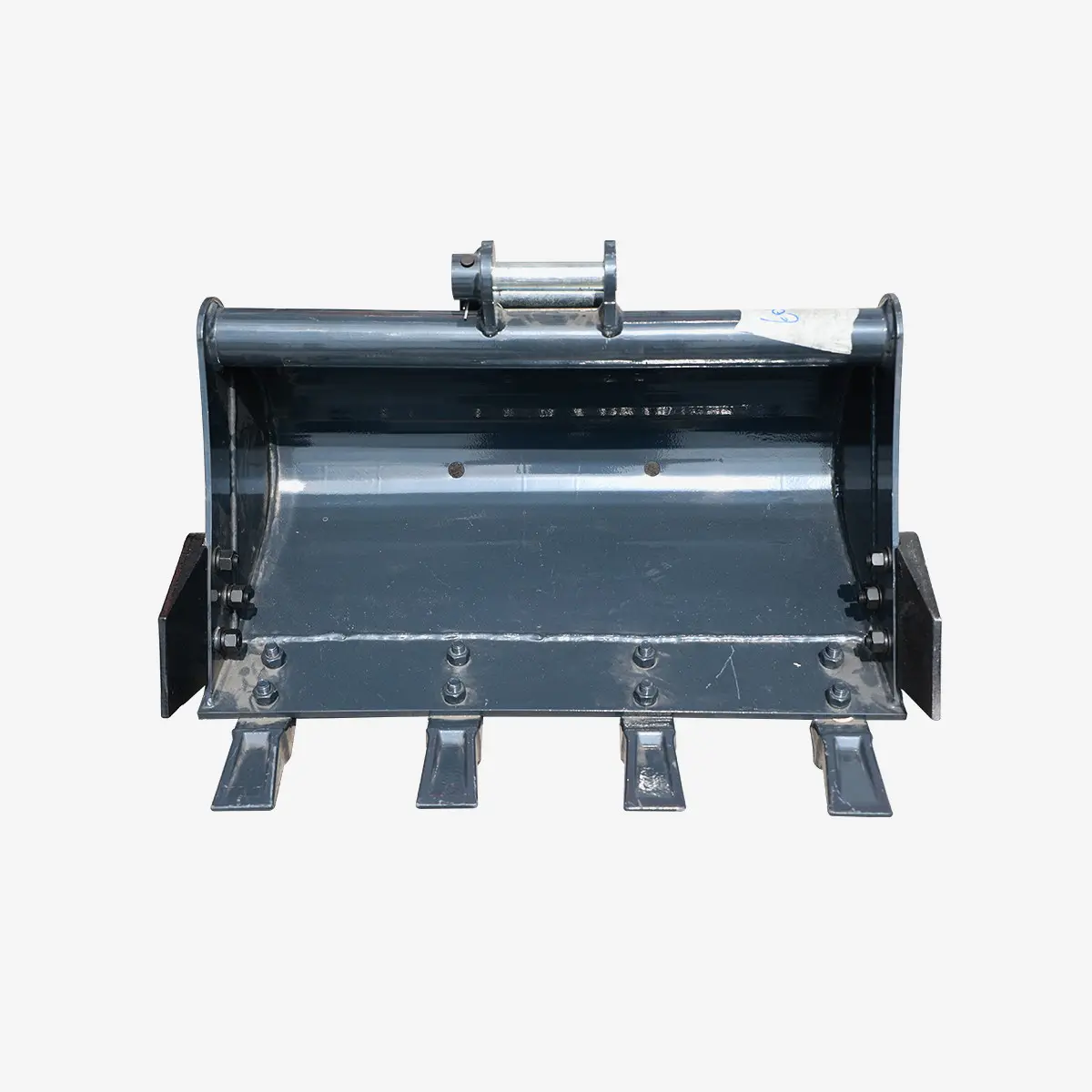
Reinforced teeth penetrate compacted soil for controlled routine excavation and loading work.

Estimation 3

Estimation 3

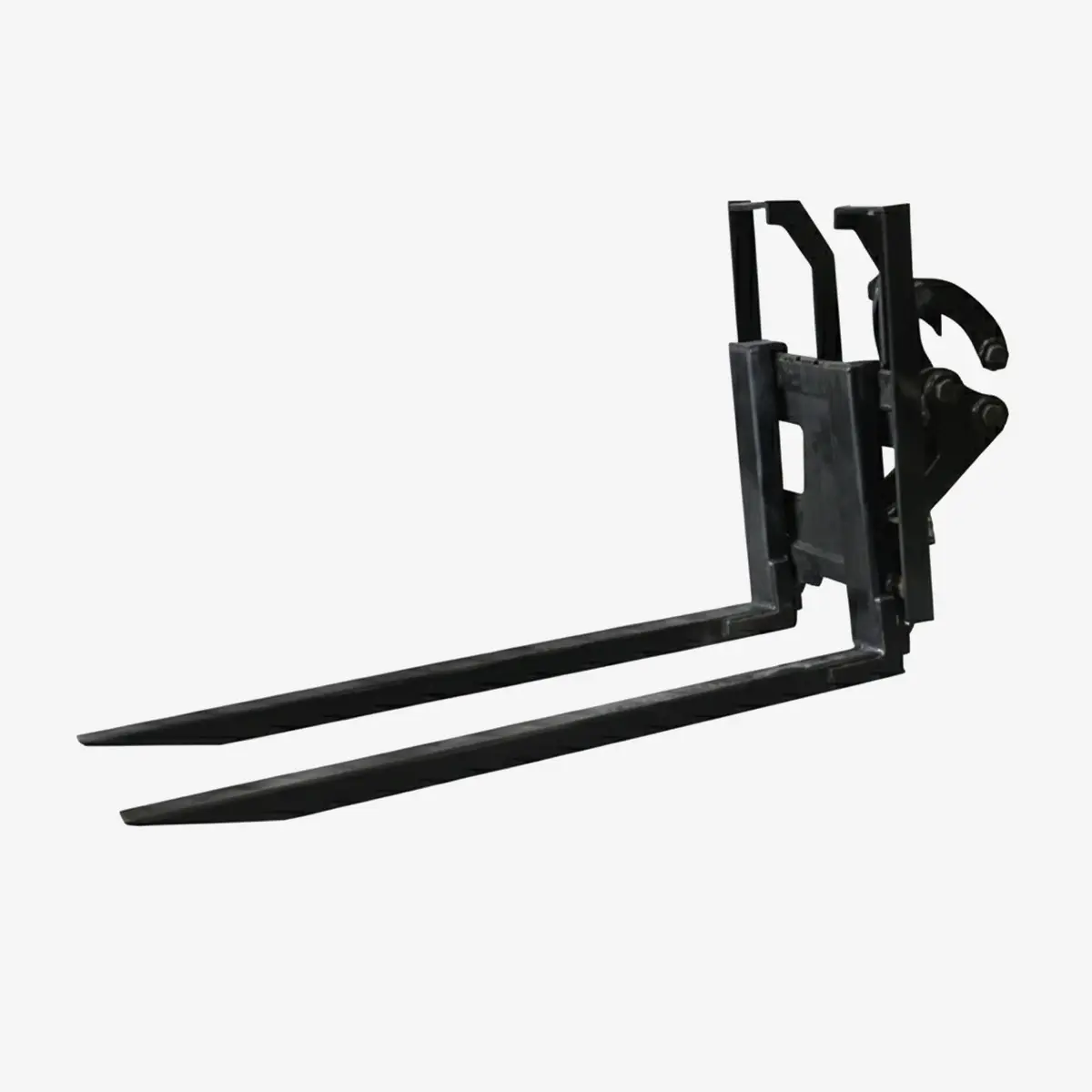
Parallel fork tines support suitable palletized loads for controlled lifting and placement work.

Assessment 4

Assessment 4

The fixed-link thumb works with the bucket to retain branches, stones and irregular material.

Conclusion principle

Conclusion principle

A mechanical locking interface supports practical tool changes through a compact connection.

Positioning check

Positioning check

Rigid tines gather loose debris and level disturbed ground during suitable finishing work.

Assessment 1

Assessment 1

Opposed bucket shells close around loose material for pickup and placement in confined work areas.

Product Video

01:24

Static Appearance of ME15

Static Appearance of ME15. Check out the overall look and structural design of the ME15 mini excavator.

Static Appearance of ME15

01:24Static Appearance of ME15. Check out the overall look and structural design of the ME15 mini excavator.

ME15 Dynamic Operation

01:24

Comprehensive

01:24ME15 Dynamic Operation. Watch the smooth coordinated movements of this mini excavator, with sensitive hydraulic control and stable power output.

Whole excavator container loading

00:59The complete mini excavator is loaded neatly into the container, secured firmly for safe overseas transportation.

Real Factory Footage

Real on-site records from our factory, offering a practical view of our production capability and delivery readiness.

01

Assembly Lines, Complete Attachments

0:00 / 0:00

Product Review

Product Inspection

We centrally purchase equipment, test the data and the machine, then publish the models that clear our review. You get a shorter path from "could work" to a quote your team can act on.

0:00 / 0:00

Core Component Details

ME15-Mechanical-Details-Protective Canopy

ME15-Mechanical-Details-Work Light Switch

ME15-Mechanical-Details-Work Lighting Lamp

ME15-Mechanical-Details-Emergency Stop Switch

ME15-Mechanical-Details-Driving Seat

ME15-Mechanical-Details-Horn Button

ME15-Mechanical-Details-Tracked Drive Wheel

ME15-Mechanical-Details-Fuel Filler Neck

ME15-Mechanical-Details-Water Temperature Gauge and Emergency Stop Switch

ME15-Mechanical-Details-Loosening Tooth Attachment

ME15-Mechanical-Details-Bulldozer Blade Hydraulic Cylinder

ME15-Mechanical-Details-Excavation Bucket

We're here to help

Our team is ready to advise you on the best product configuration and procurement plan.

400 158 5899

Frequently Asked Questions (FAQ)

1. Where is Excavators typically used?

1. It is commonly used for construction sites, utility work, landscaping and earthmoving projects, subject to the selected model and site conditions.

2. How do I choose the right model?

2. Match operating weight, working range, power, ground pressure, attachment needs and transport limits to the actual workload and operating environment.

3. What should be confirmed before ordering?

3. Confirm model, power, working attachment, cab or control type and spare parts, then verify the response time and any special requirements.

4. How should it be installed and maintained?

4. Prepare safe unloading space, stable ground, operator training and fluid, fastener and safety-device checks; follow the manual for operation, inspection and routine maintenance.