Forms the front working unit and transfers hydraulic motion into controlled material or surface work.
 Stable bucket cleanup across a clear work area


Compact Groundwork Support for Diverse Site Tasks
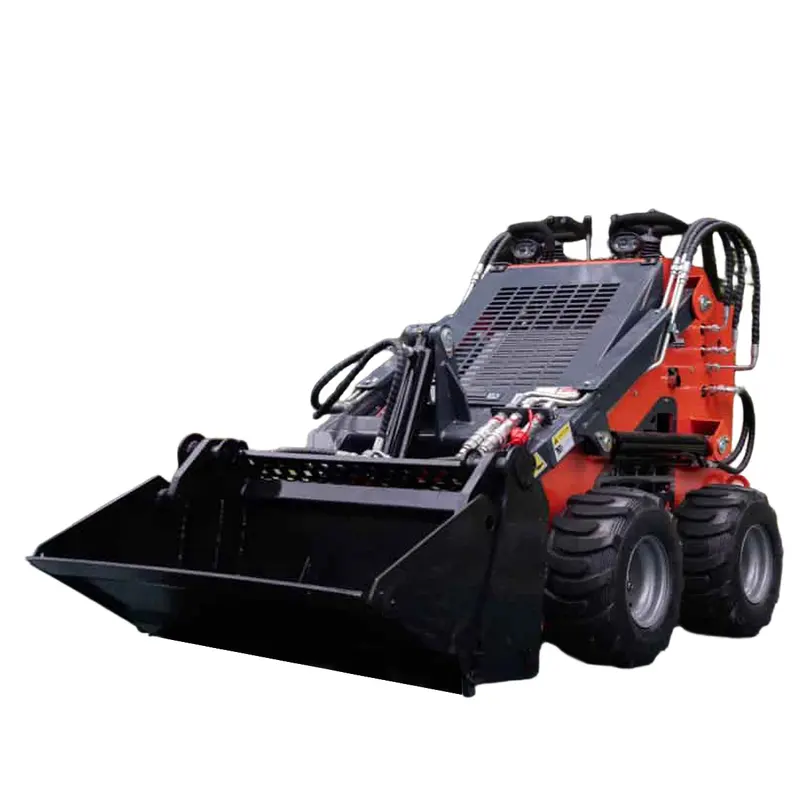
Wheeled mini skid-steer loader. Application settings include Efficient bucket grading on an open construction pad; Controlled bucket grading between planted rows; Stable bucket cleanup across a clear work area; Precise bucket scraping across an open paved yard. Match the selected configuration to the available space, access and intended use before ordering.
 Efficient bucket grading on an open construction pad
 Controlled bucket grading between planted rowsStable bucket cleanup across a clear work area
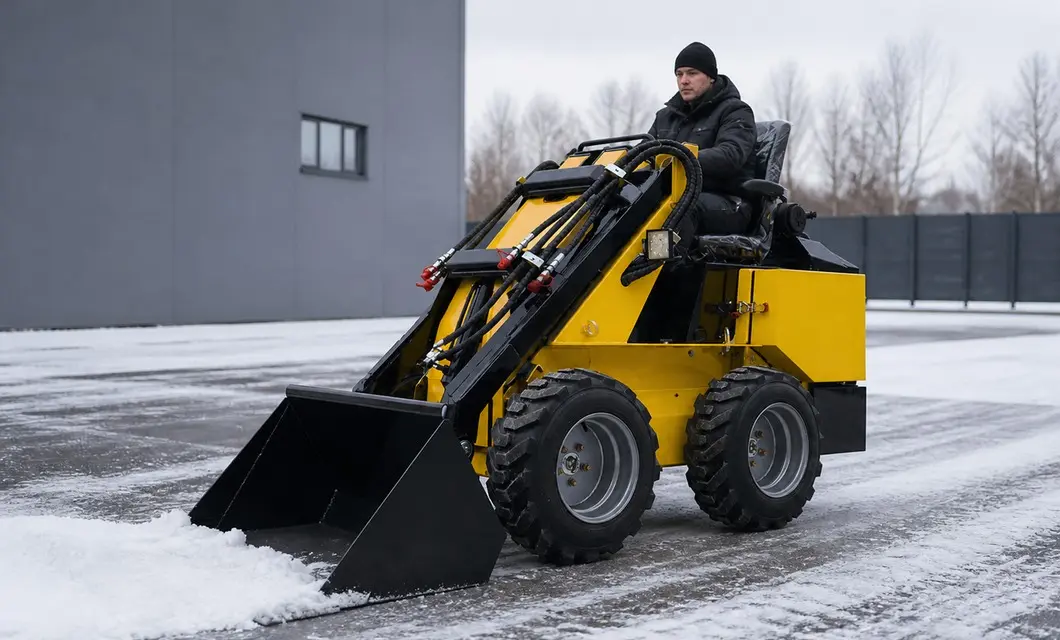 Precise bucket scraping across an open paved yardEfficient bucket grading on an open construction padControlled bucket grading between planted rows
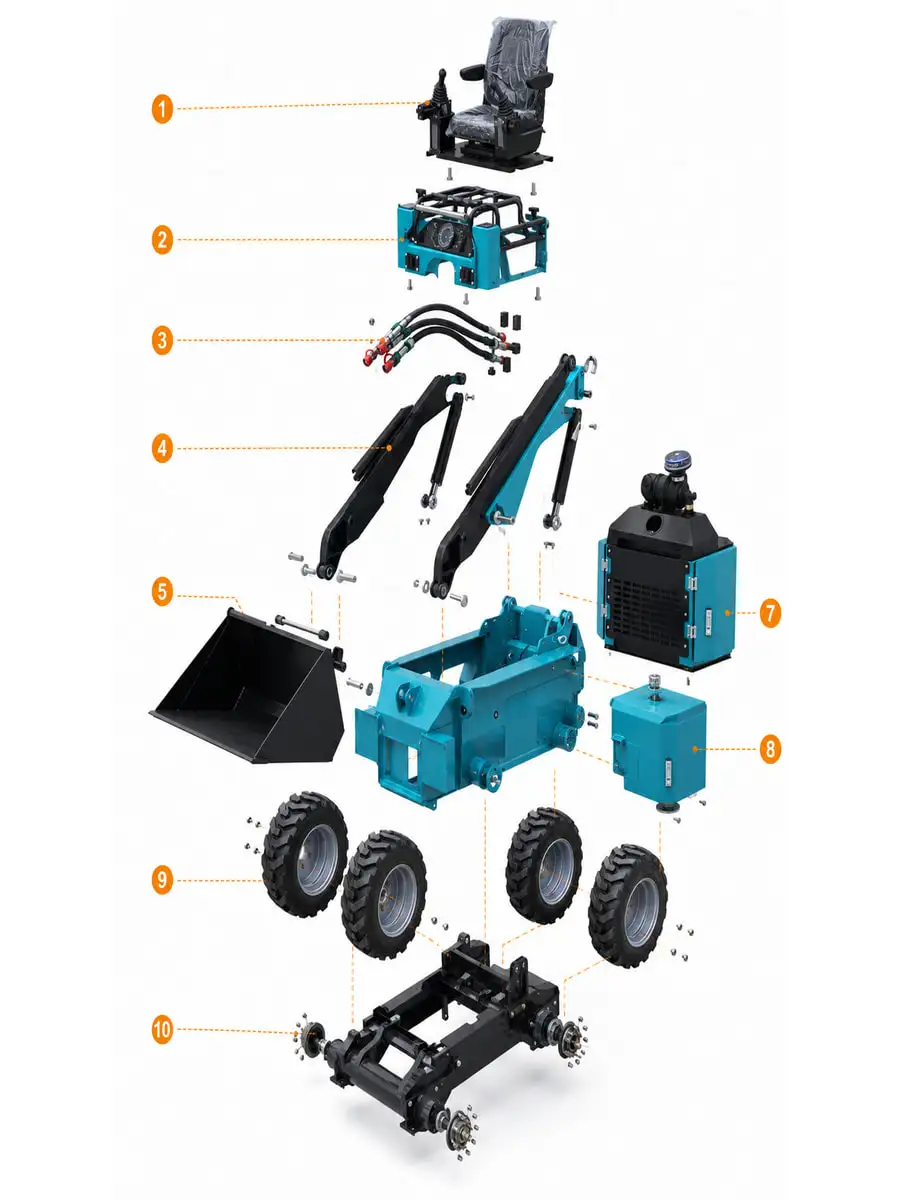
Forms the front working unit and transfers hydraulic motion into controlled material or surface work.
Supports the front work unit through its travel range and maintains a stable loading geometry.
Converts hydraulic pressure into controlled lift and tilt movement for accurate working cycles.
Groups the seat and operating controls for clear access and consistent machine command.
Connects the principal systems and provides rigid support through loading and travel operations.
Protects internal components while allowing practical access for routine inspection and care.
Completes side protection and provides convenient access to the enclosed service area.

QL-500W static demonstration video, showcasing the device’s exterior and overall operational status.
00:32QL-500W static demonstration video, showcasing the device’s exterior and overall operational status.
00:38QL-500W operation video, showcasing the equipment’s dynamic operations and the operating procedure.
00:05Driven into container, bucket lowered, wooden wedges chocked under tires, body steel-strapped tight—no shifting in transit.
00:10Whole machine secured in container, bucket detached and strapped, hydraulic ports capped for rust protection, foam corner guards—arrives intact by sea.
We centrally purchase equipment, test the data and the machine, then publish the models that clear our review. You get a shorter path from "could work" to a quote your team can act on.
Our team is ready to advise you on the best product configuration and procurement plan.
info@eascoutia.com400 158 5899Choose the wheeled layout when firm ground, tight turning, and frequent repositioning are central to the planned work.
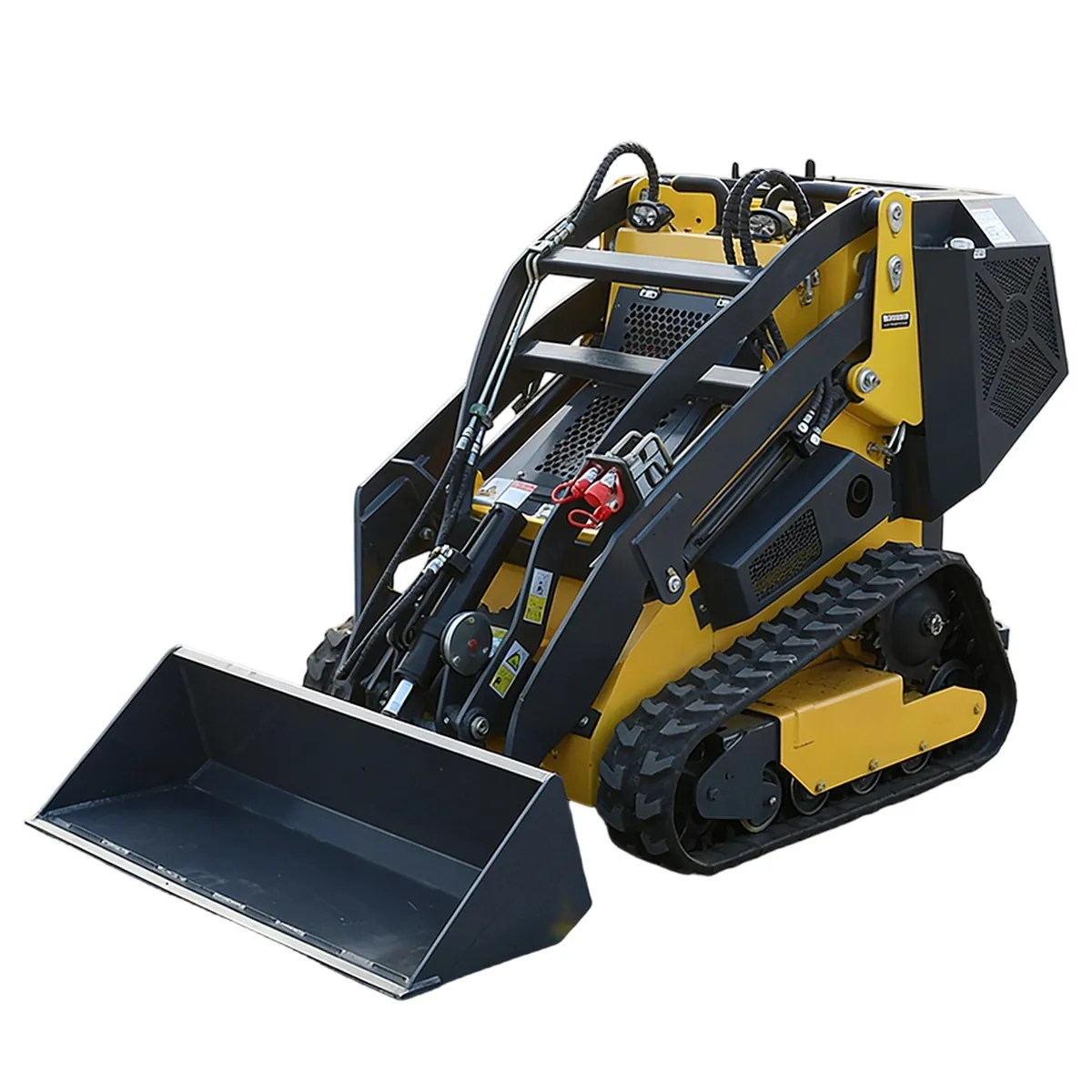
The verified images show the installed front work tool. Confirm the intended material and task so the supplied configuration matches the order.
Provide a clear working route, stable access, and enough space for safe tool movement, material placement, and operator visibility.
Shipping protection and delivery arrangements should be confirmed for the selected configuration, destination, and receiving conditions.
Check visible fasteners, hoses, couplers, controls, tires or tracks, and the installed work tool before starting routine operation.
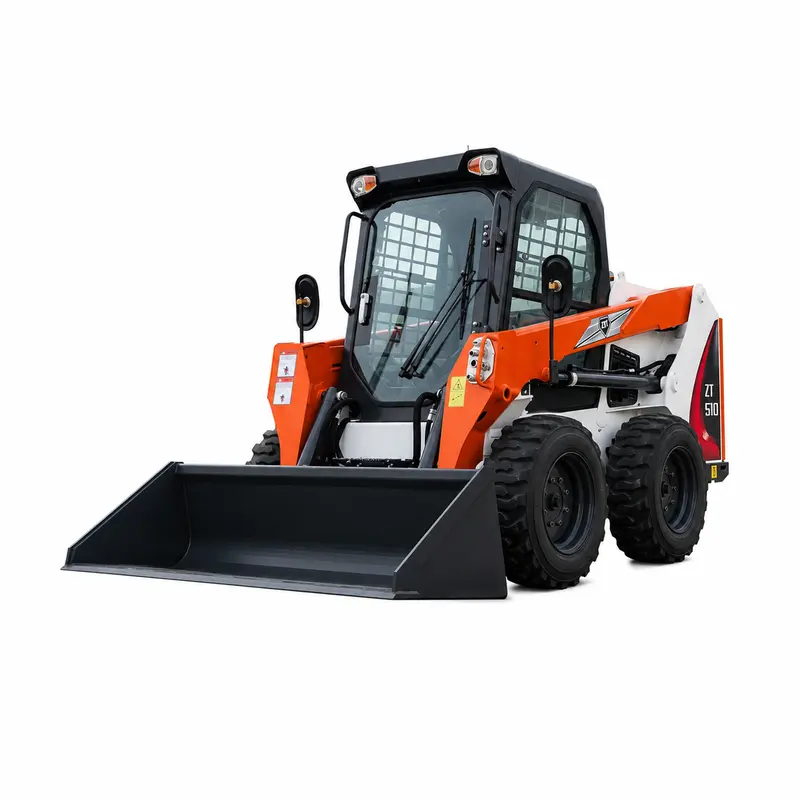

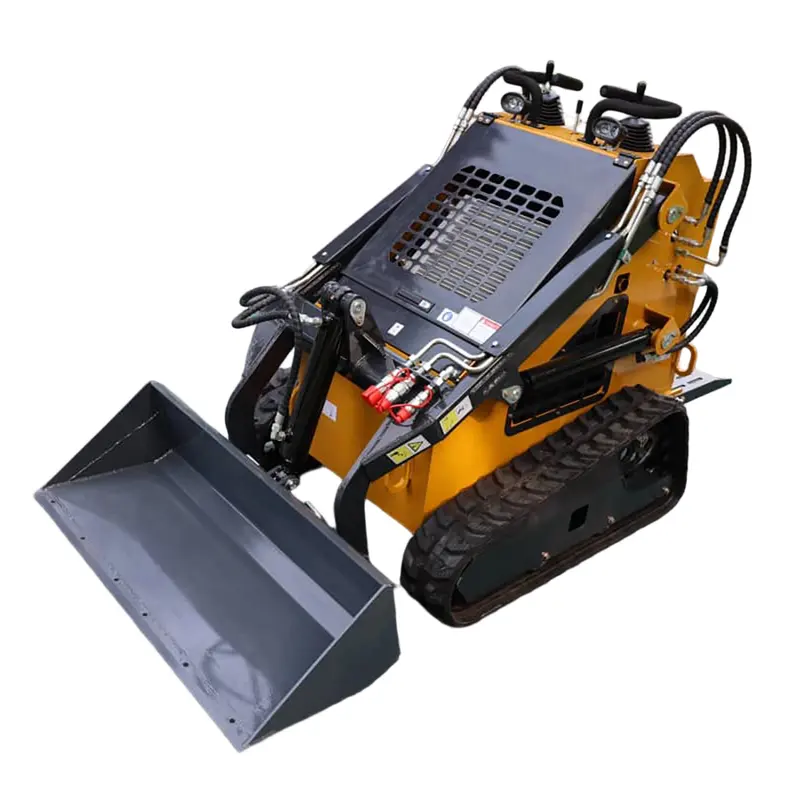
 Simplified explanation
