The curved spring tines gather loose grass and hay into rows while following uneven field surfaces.
 Rake removes leaves, stones, and plant debris from nursery paths.


Field Preparation and Farm Maintenance with A lawnman
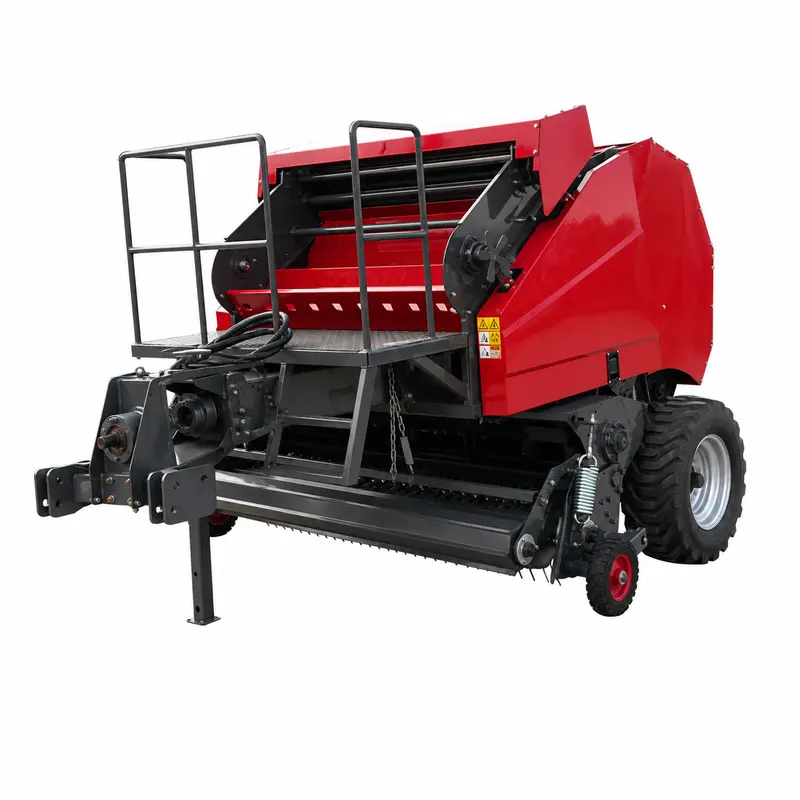
A lawnman is suited to farms, orchards, nurseries and seasonal land-maintenance work. It supports field tasks such as tillage, mowing, spraying, handling or harvesting under local crop and terrain conditions. Before deployment, confirm working width, power, terrain, crop type, capacity, attachment interface and operator method.
 Tractor rake clears dry grass and debris from harvested fields.
 Rake levels loose soil and prepares the surface for field work.Rake removes leaves, stones, and plant debris from nursery paths.
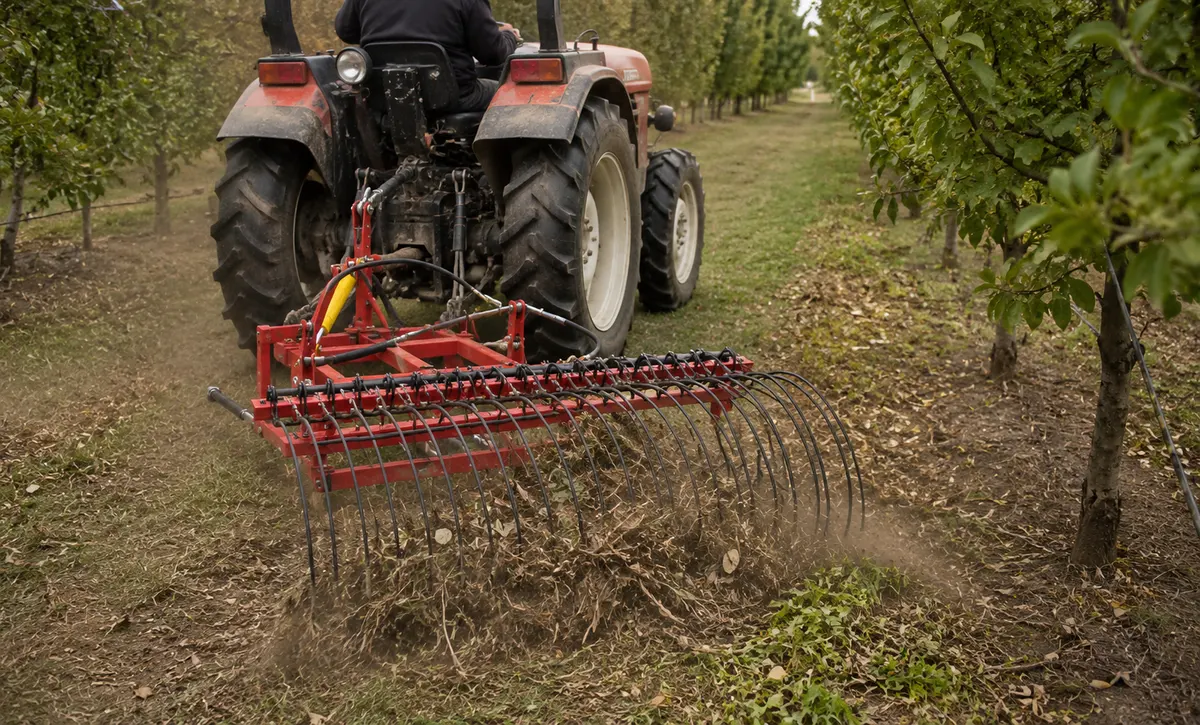 Tractor gathers fallen leaves and debris between orchard rows.Tractor rake clears dry grass and debris from harvested fields.Rake levels loose soil and prepares the surface for field work.
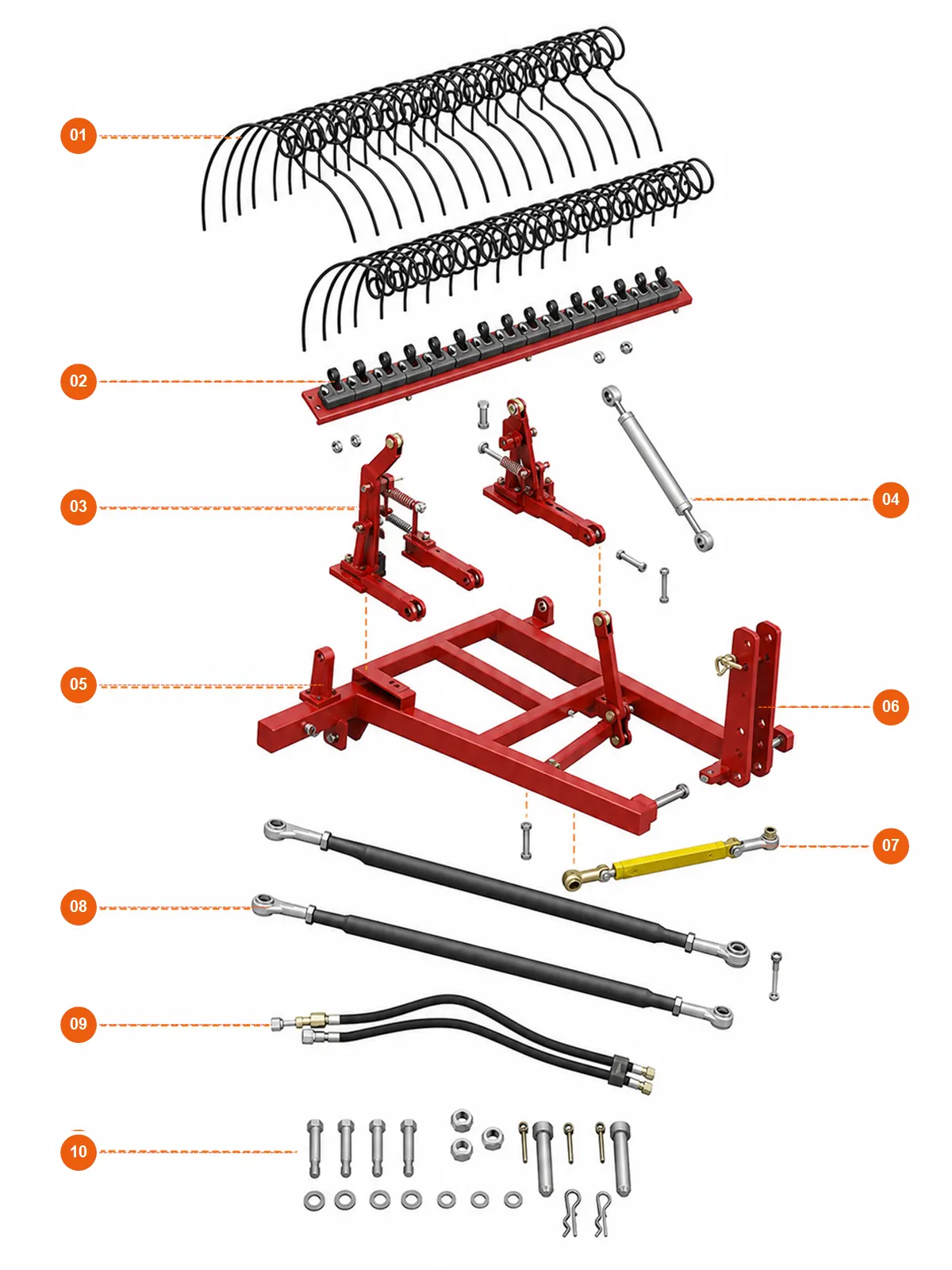
The curved spring tines gather loose grass and hay into rows while following uneven field surfaces.
The tine mounting bar holds the spring tines in aligned positions for consistent raking performance.
The spring linkage brackets support tine-bar movement and help absorb shocks during field operation.
The hydraulic cylinder provides controlled movement for raising or adjusting the rake assembly.
The welded main frame supports major components and distributes working loads across the implement.
The rear mounting bracket connects the rake frame to the tractor linkage for stable field operation.
The adjustable link rod helps set frame position and maintain the required working alignment.

A side-view video showcasing the grass‑cutting machine in operation.
Our team is ready to advise you on the best product configuration and procurement plan.
info@eascoutia.com400 158 58991. It is commonly used for farms, orchards, nurseries and seasonal land-maintenance work, subject to the selected model and site conditions.
2. Match working width, power, terrain, crop type, capacity, attachment interface and operator method to the actual workload and operating environment.
3. Confirm model, power, working attachment, tire or track type and optional implements, then verify the response time and any special requirements.
4. Prepare appropriate fuel or charging support, safe attachment setup and pre-work inspection on level ground; follow the manual for operation, inspection and routine maintenance.

 Simplified explanation