The paired loader arms form the main lifting structure and transfer force to the front attachment.
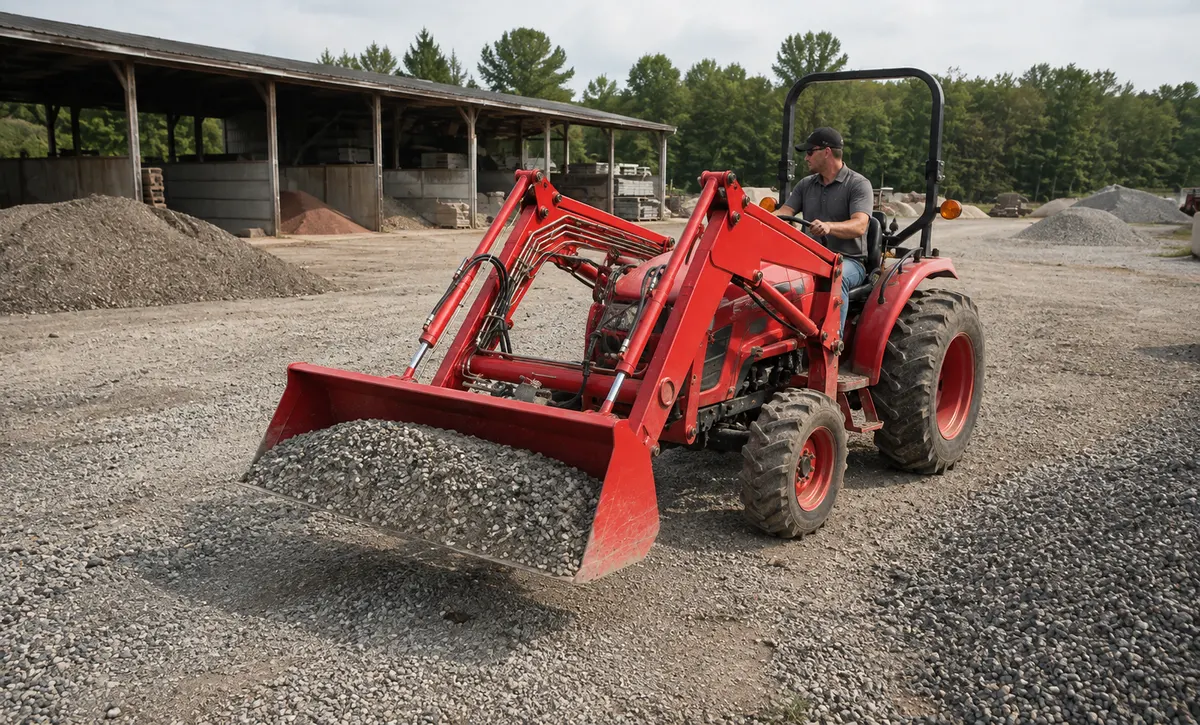 Loader handles gravel for road construction and site preparation.


Field Preparation and Farm Maintenance with Foreplay arm
Foreplay arm is suited to farms, orchards, nurseries and seasonal land-maintenance work. It supports field tasks such as tillage, mowing, spraying, handling or harvesting under local crop and terrain conditions. Before deployment, confirm working width, power, terrain, crop type, capacity, attachment interface and operator method.
 Tractor loads and transports manure for farmyard maintenance.
 Front loader moves soil across the barnyard work area.Loader handles gravel for road construction and site preparation.
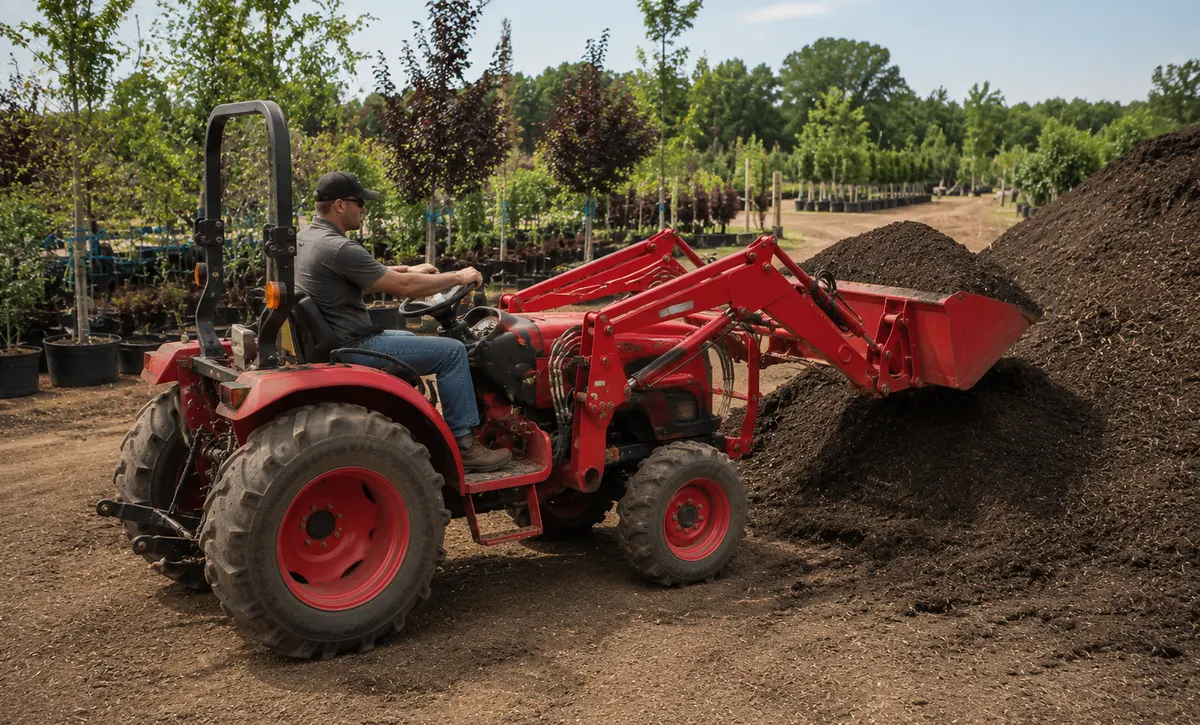 Tractor loads mulch for nursery beds and landscape maintenance.Tractor loads and transports manure for farmyard maintenance.Front loader moves soil across the barnyard work area.

The paired loader arms form the main lifting structure and transfer force to the front attachment.
The linkage brackets connect moving joints and guide the loader mechanism through its working range.
The front coupler frame provides the interface for connecting and operating compatible attachments.
The paired hydraulic cylinders provide lifting force to raise and lower the loader arms smoothly.
The central hydraulic cylinder controls attachment tilt for loading, dumping, and positioning.
The linkage rods transfer cylinder movement between pivot points for coordinated attachment control.
The cross support beam connects both sides of the loader frame and helps maintain overall rigidity.
Our team is ready to advise you on the best product configuration and procurement plan.
info@eascoutia.com400 158 58991. It is commonly used for farms, orchards, nurseries and seasonal land-maintenance work, subject to the selected model and site conditions.
2. Match working width, power, terrain, crop type, capacity, attachment interface and operator method to the actual workload and operating environment.
3. Confirm model, power, working attachment, tire or track type and optional implements, then verify the response time and any special requirements.
4. Prepare appropriate fuel or charging support, safe attachment setup and pre-work inspection on level ground; follow the manual for operation, inspection and routine maintenance.

 Simplified explanation