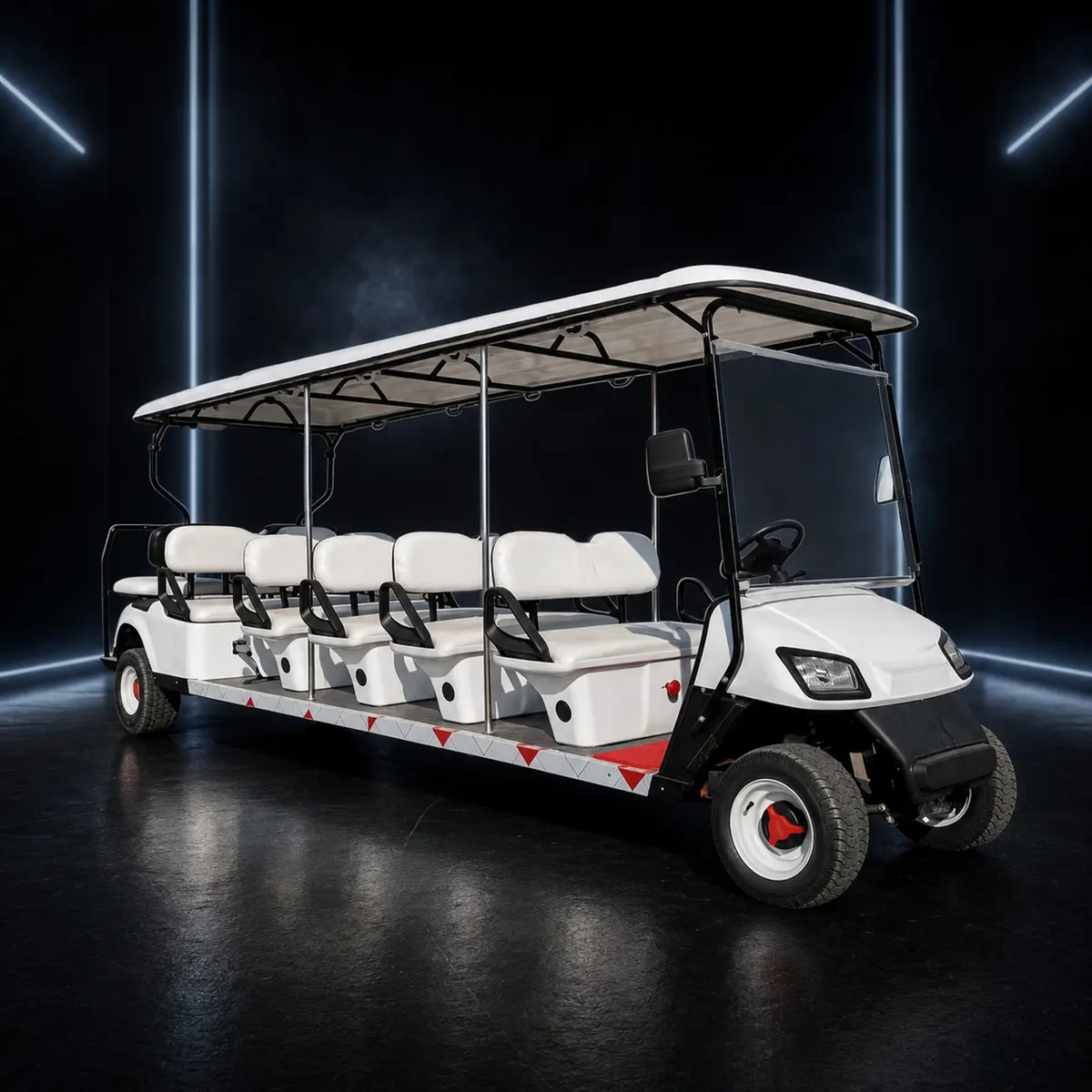
Full-length overhead protection for all rows while preserving open sightseeing.
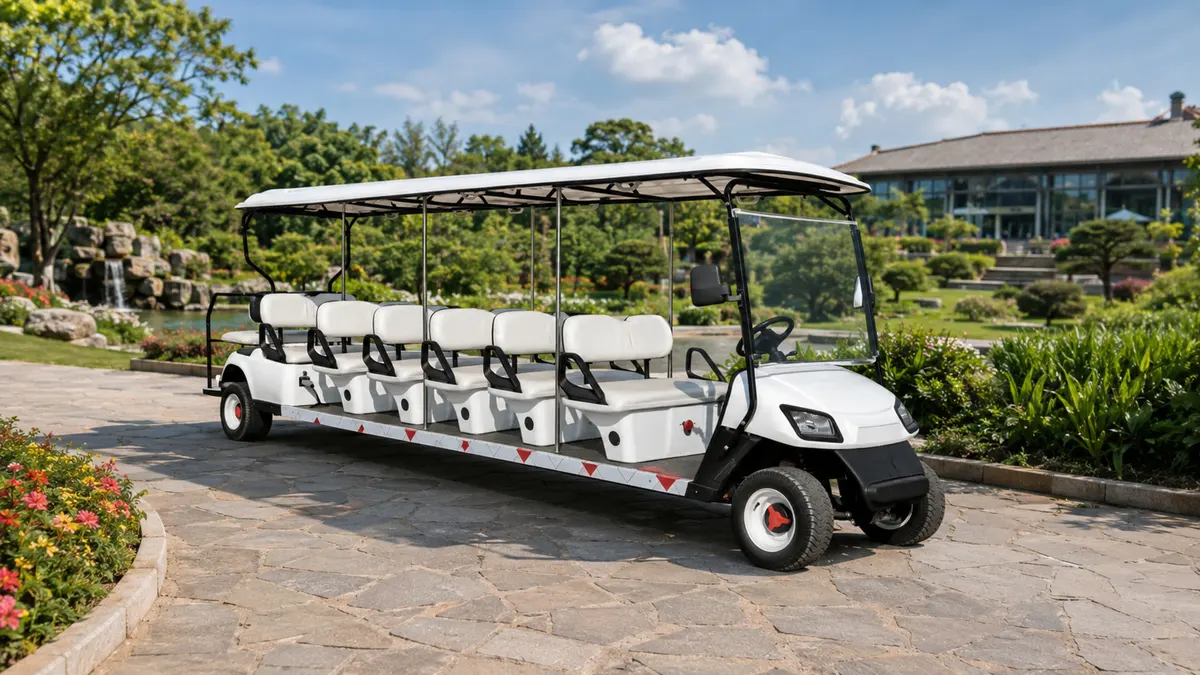 Scenic Park Touring


Commercial Transport and Fleet Operations with Golf
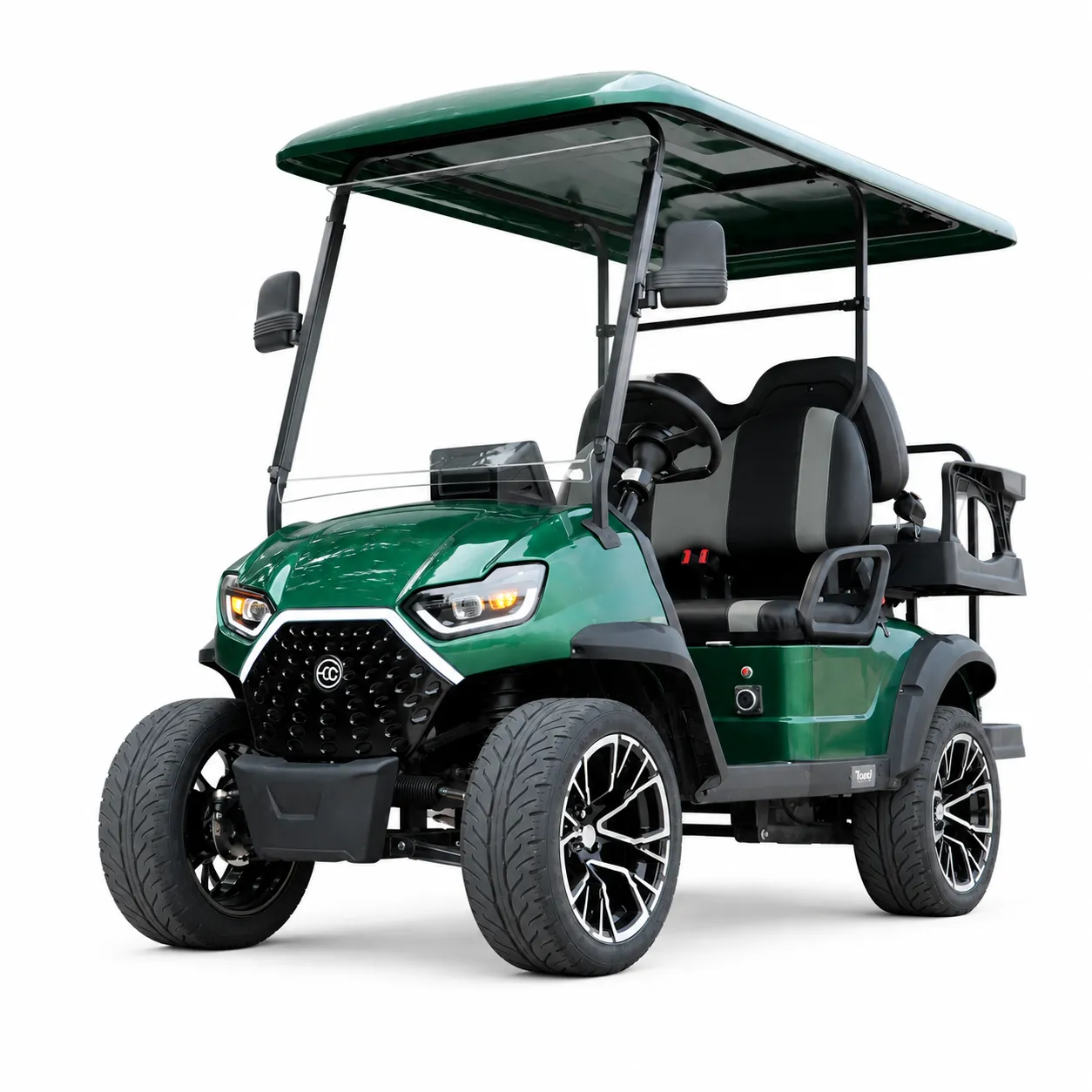
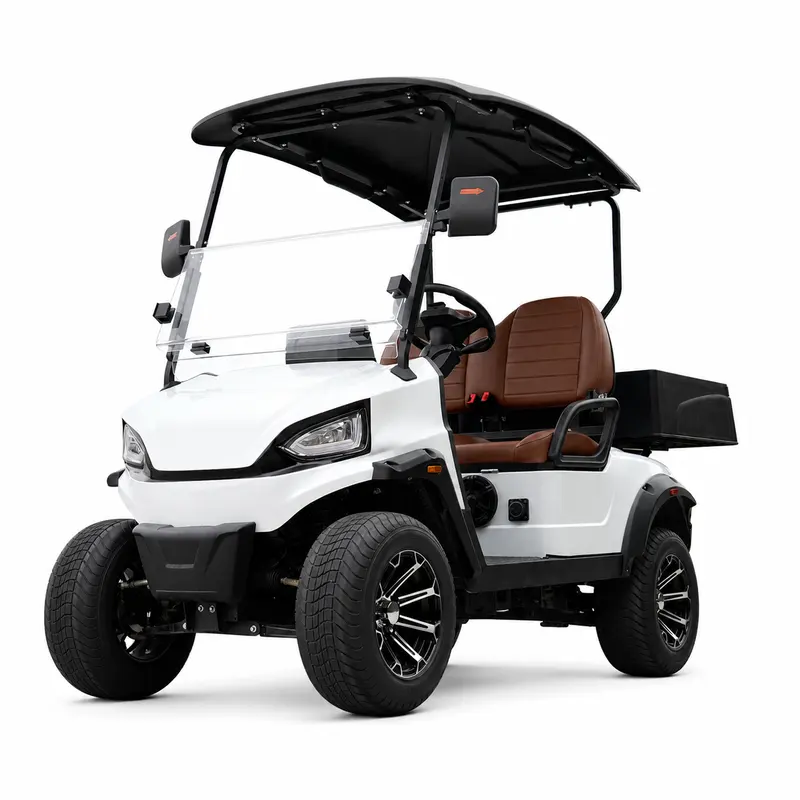
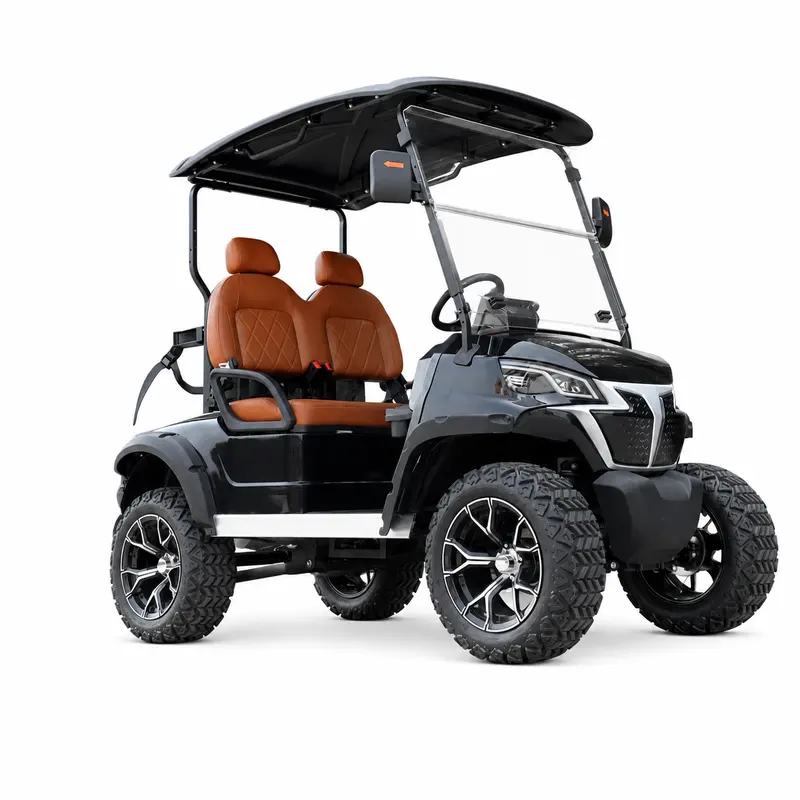
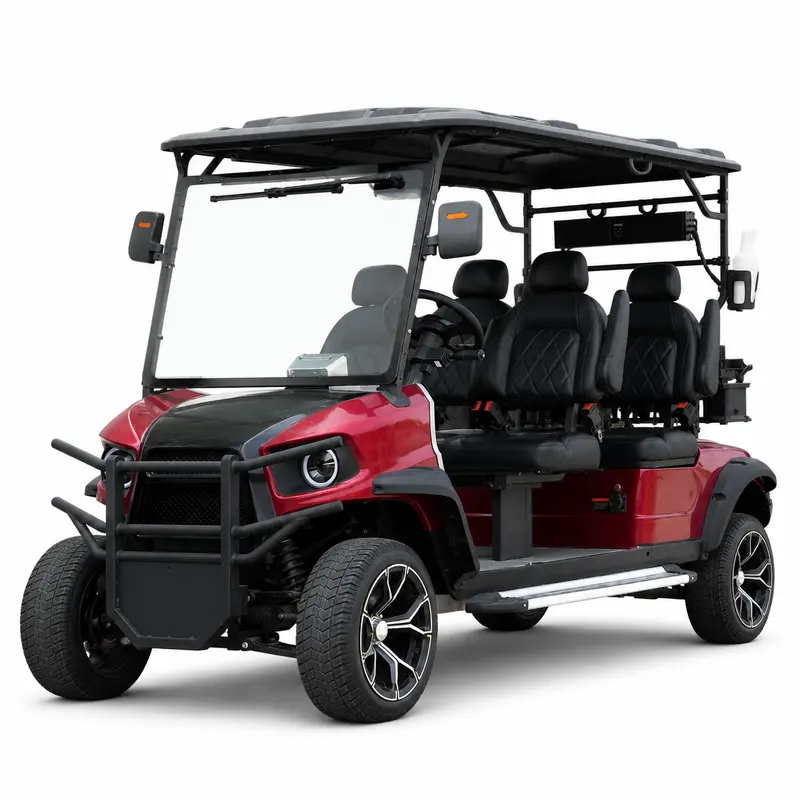
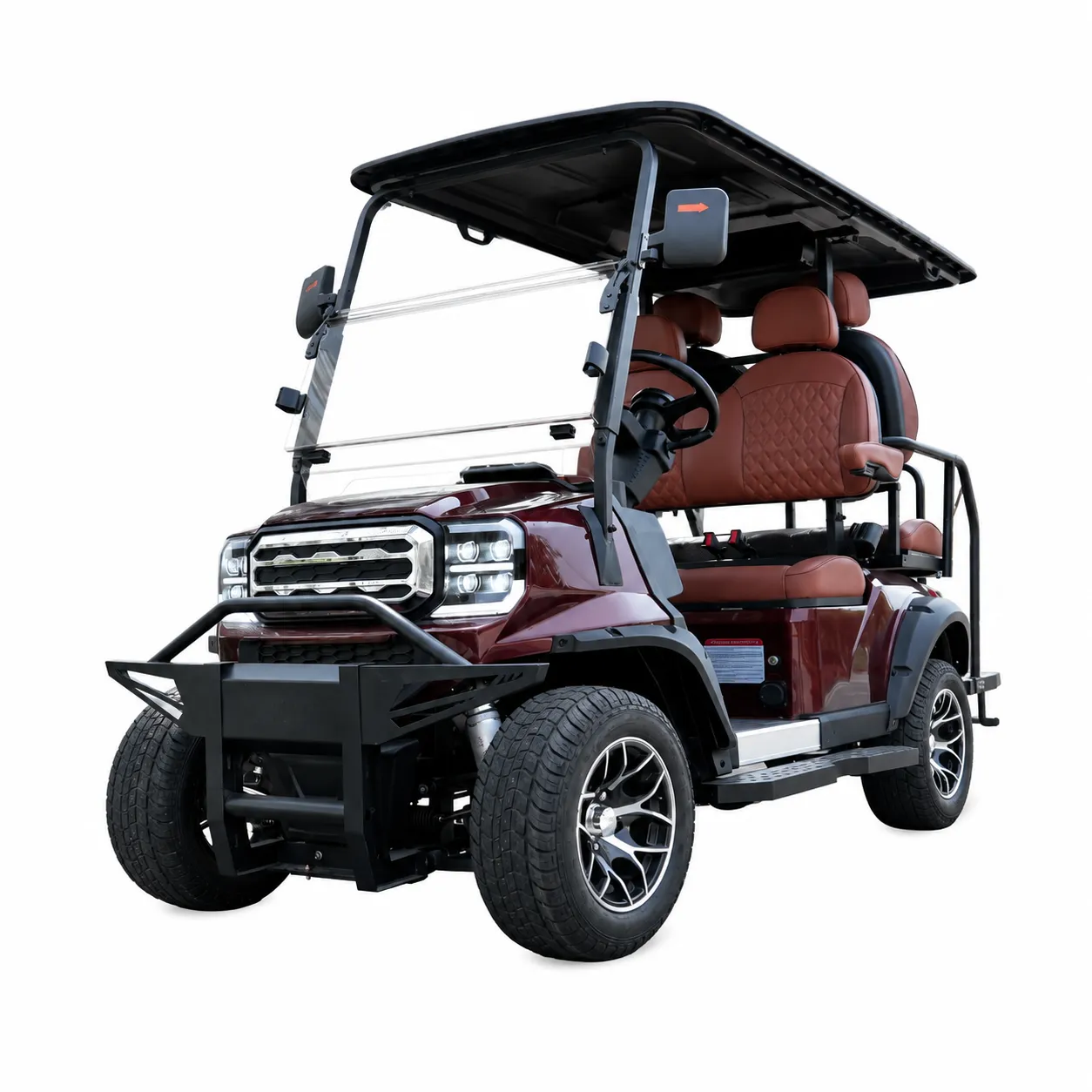
Golf is suited to industrial parks, logistics routes, worksites and managed fleet operations. It supports passenger or cargo movement matched to route, load, speed and local operating conditions. Before deployment, confirm payload, dimensions, axle or tire specification, powertrain, route and regulatory requirements.
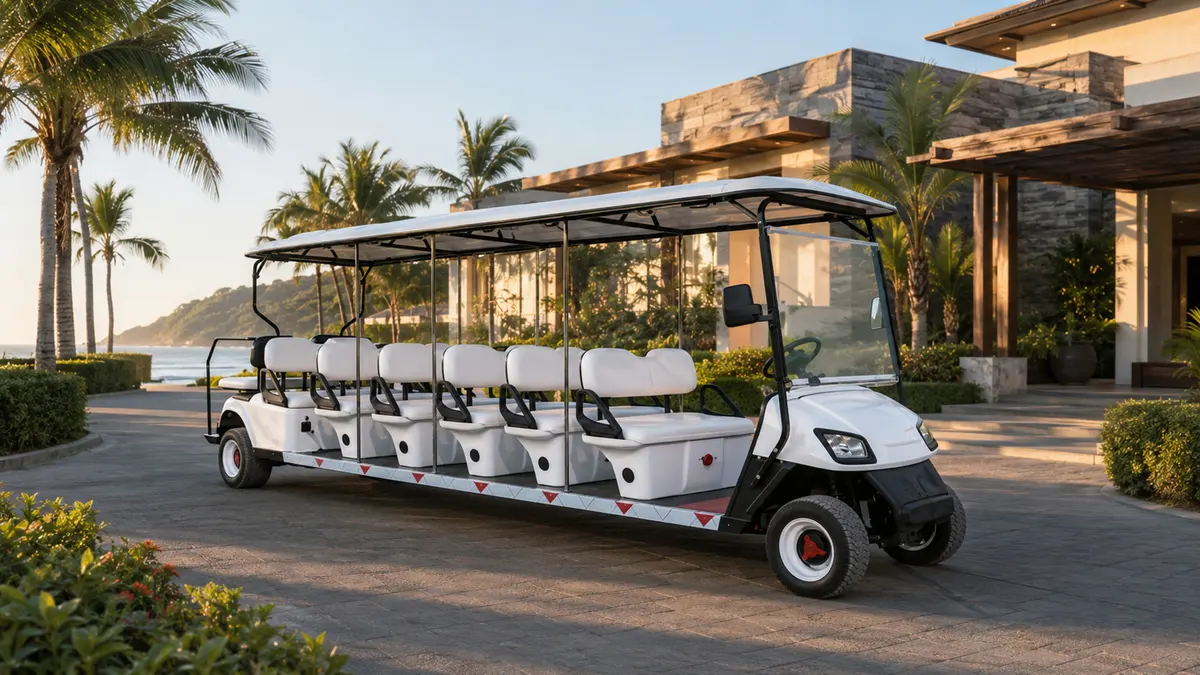 Coastal Resort ShuttleScenic Park Touring
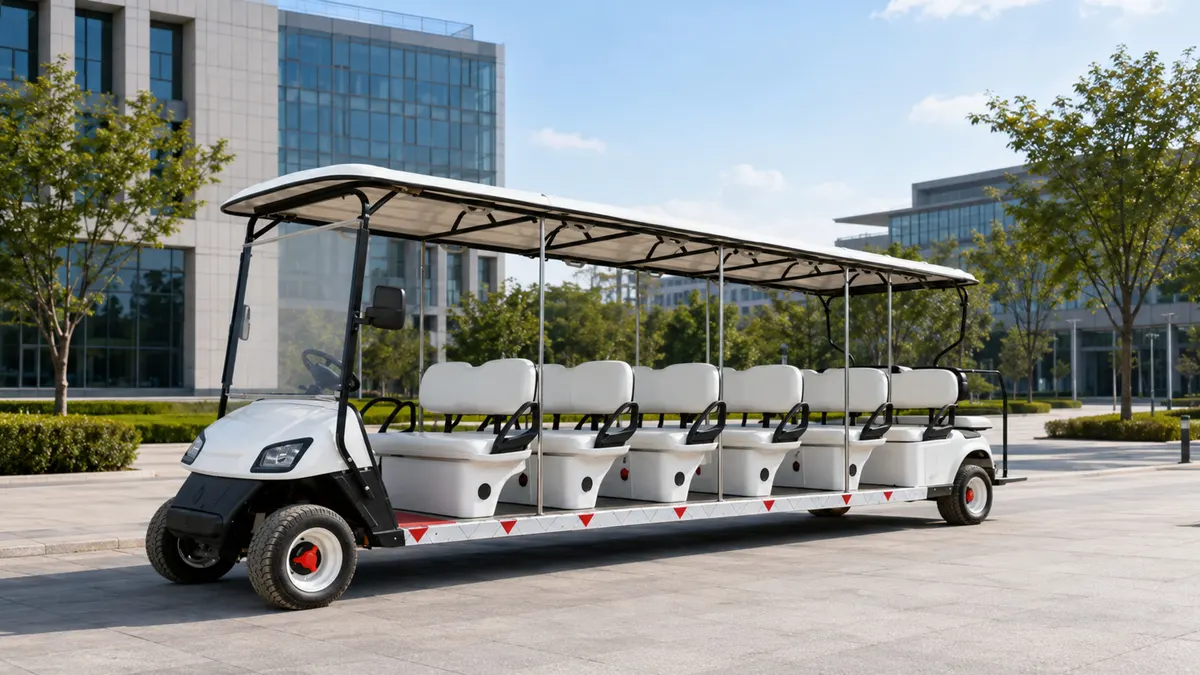 Campus TransitCoastal Resort ShuttleScenic Park Touring
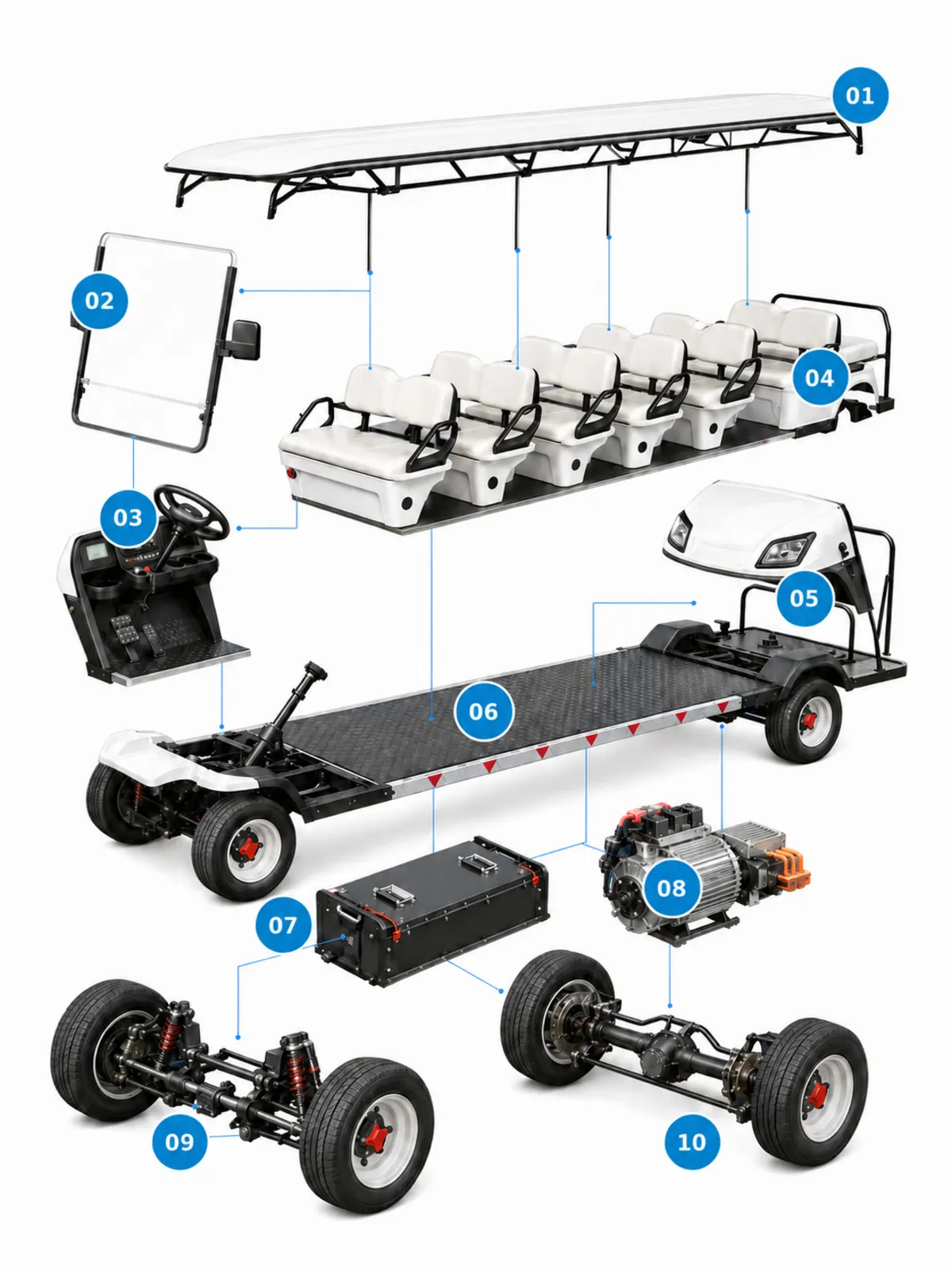
Full-length overhead protection for all rows while preserving open sightseeing.
Clear windshield and mirror support visibility and shield against airflow and debris.
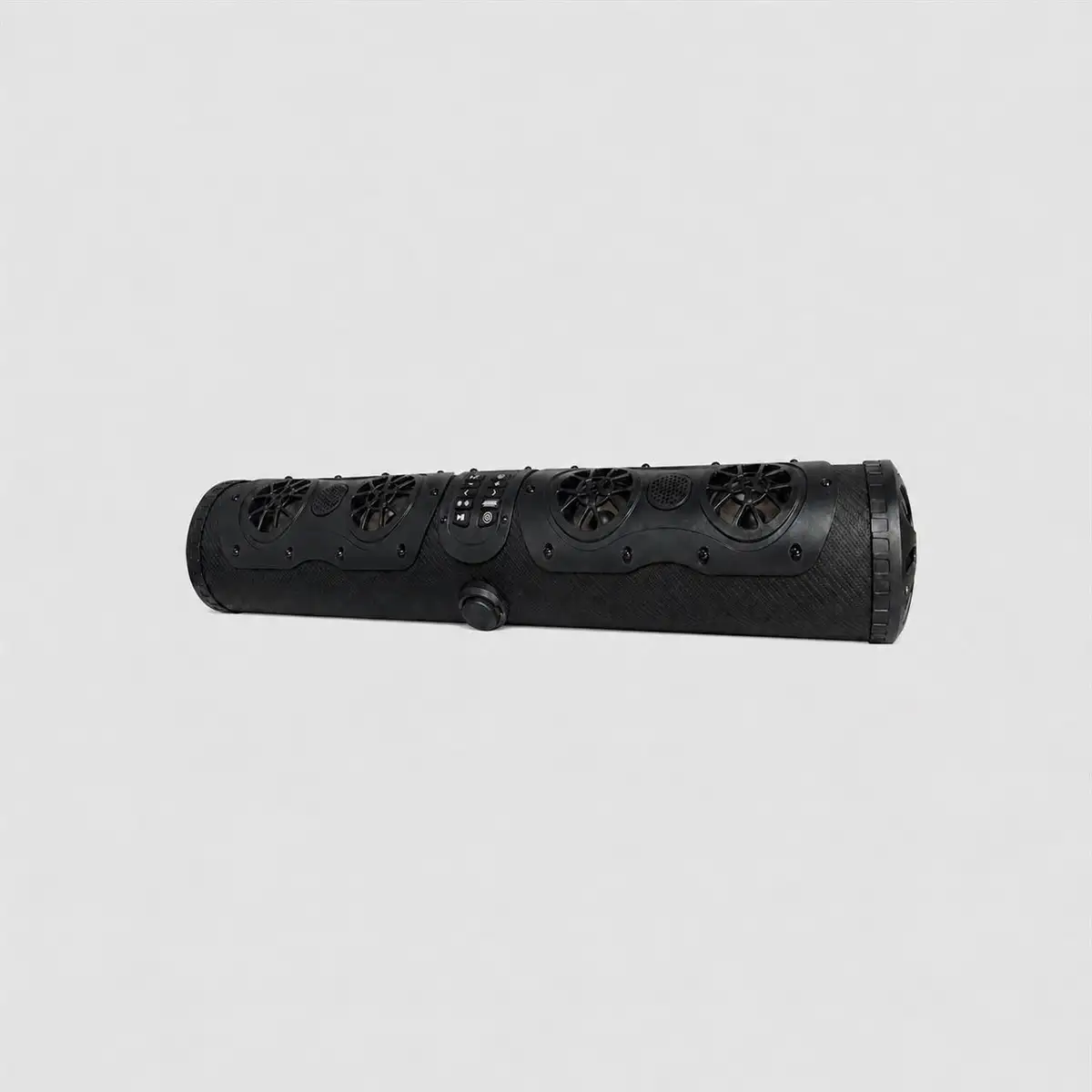
Integrated steering, switches, display, key controls and storage for convenient operation.
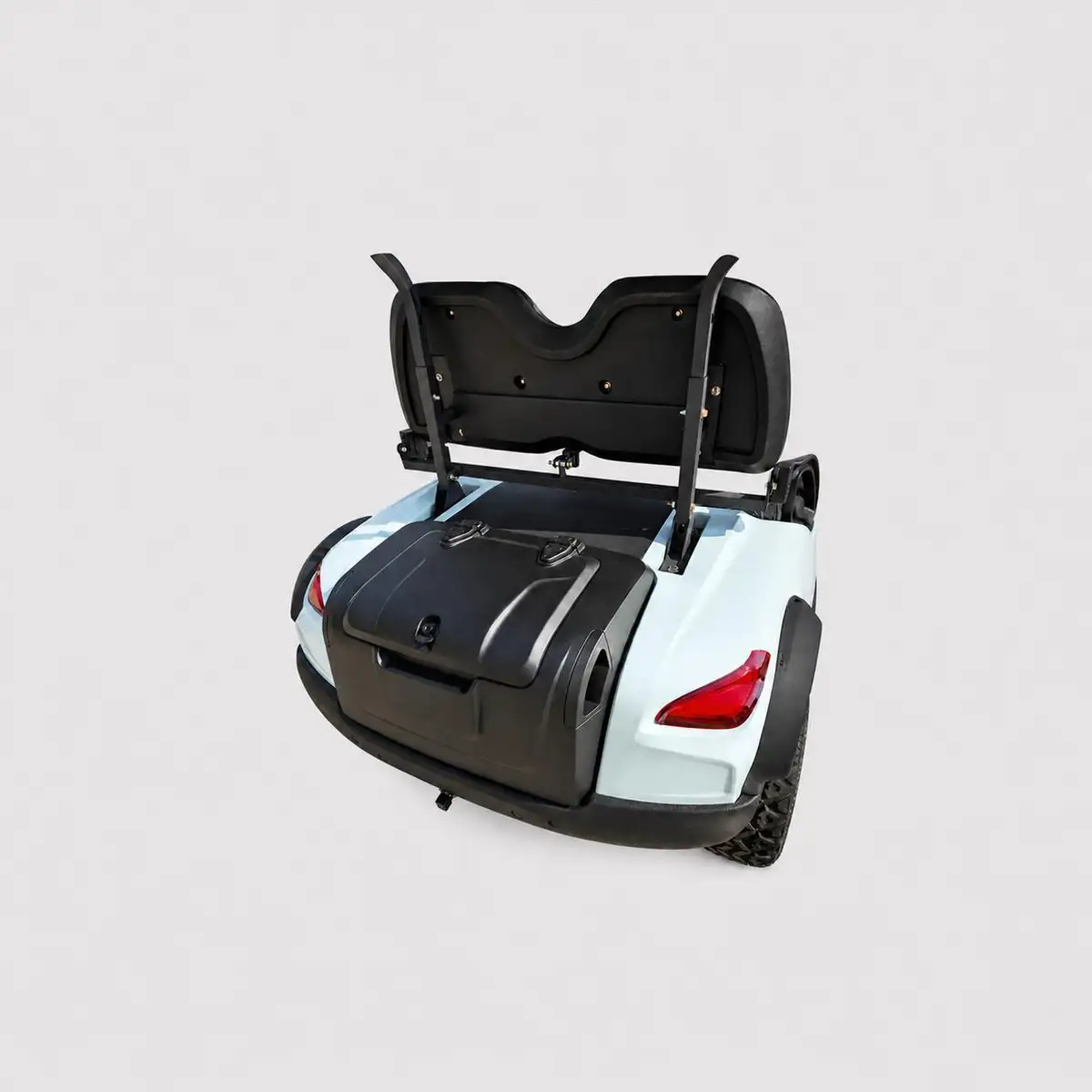
Cushioned bench modules, handrails and rear-facing seat provide organized capacity.
Protective molded body panels with integrated headlamps for illumination.
Long structural frame supporting body, drivetrain and running gear with balanced loads.
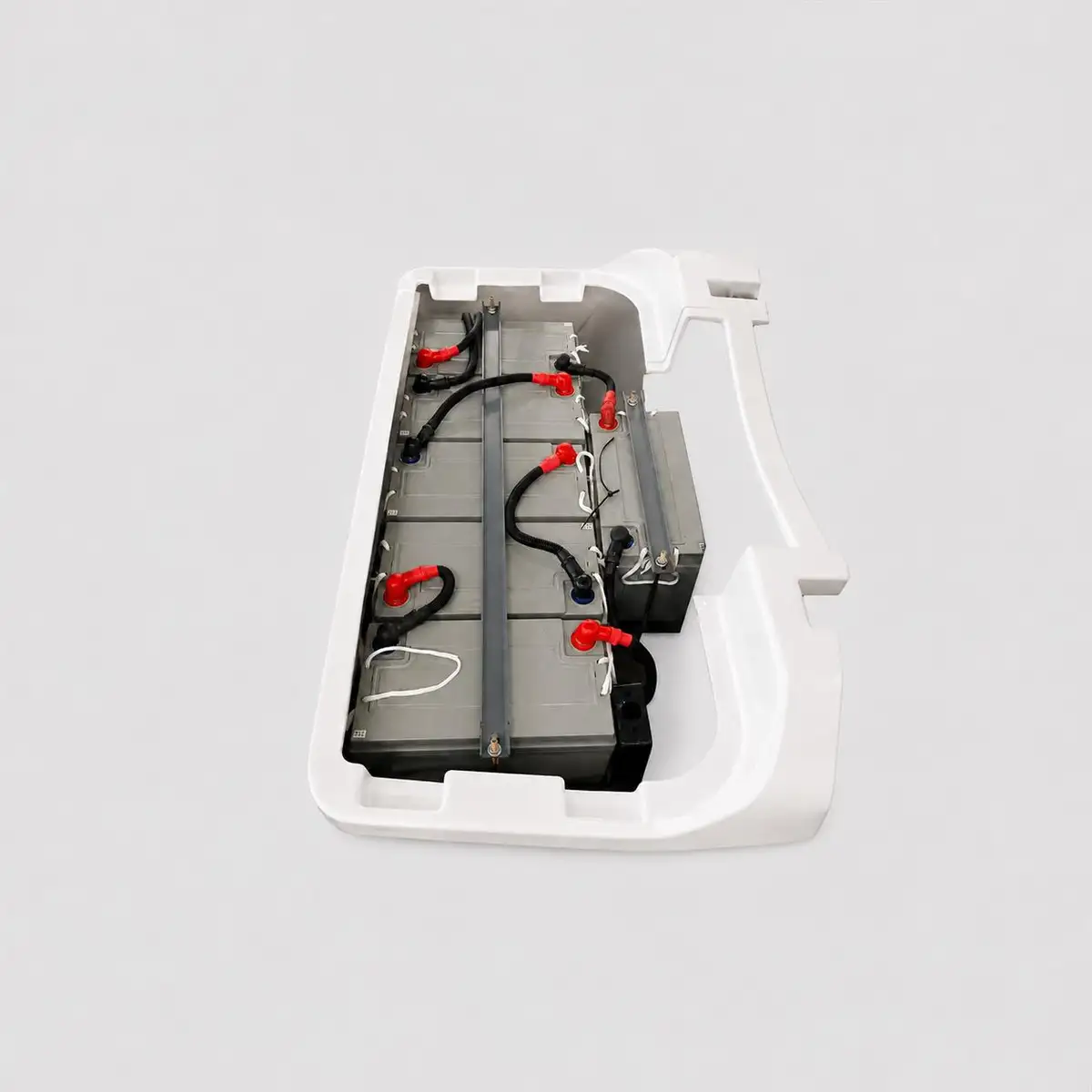
Protected energy storage positioned for service access and balanced weight.
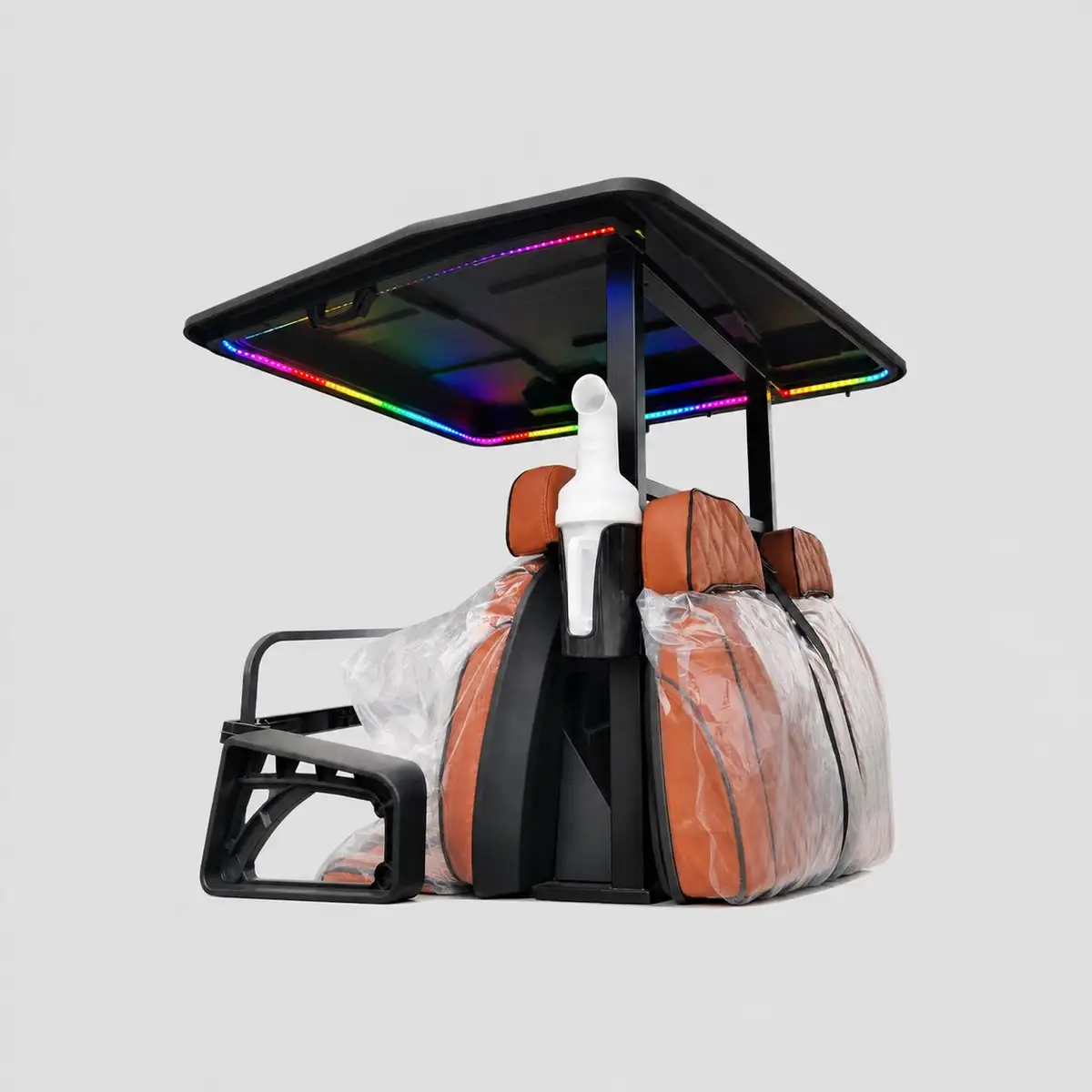
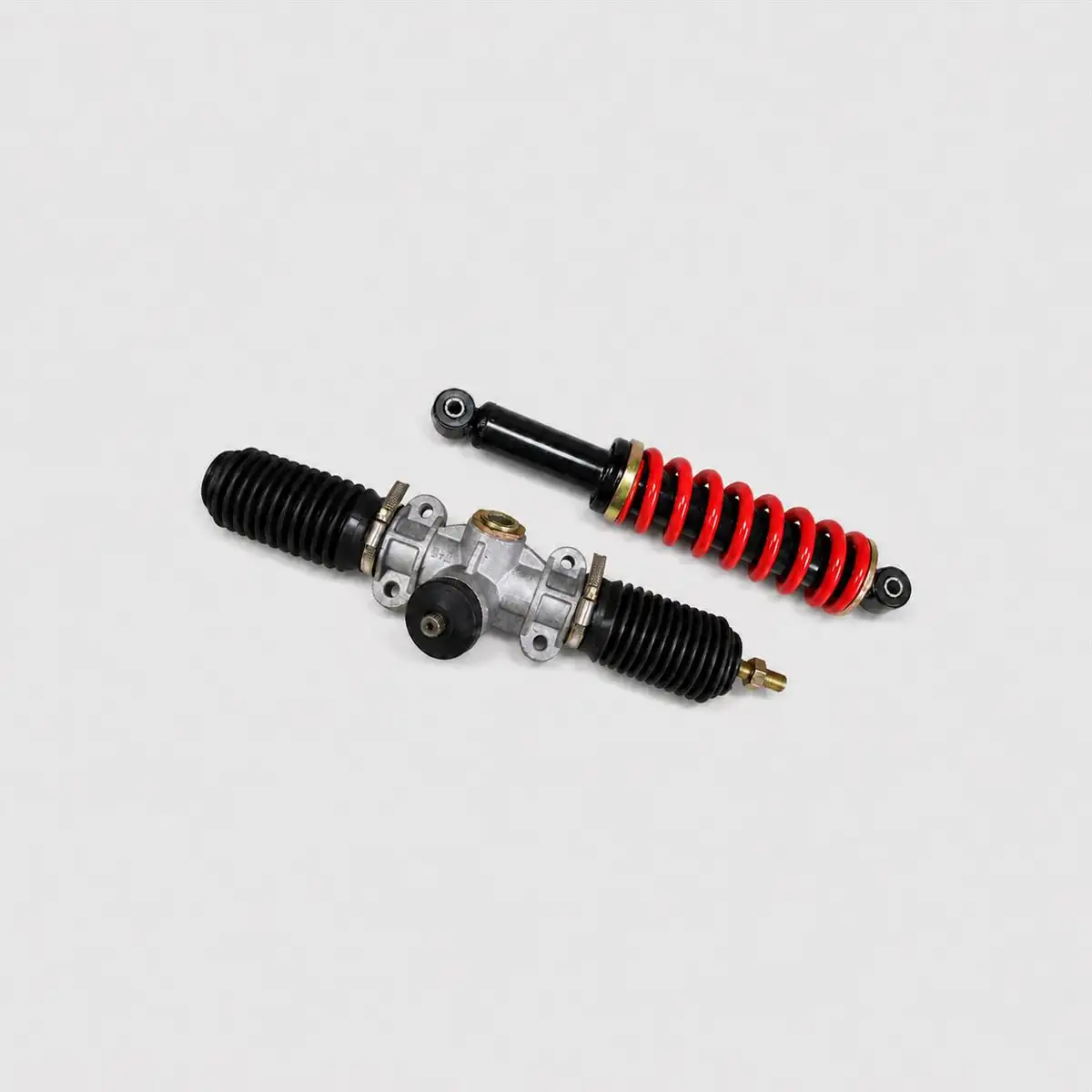
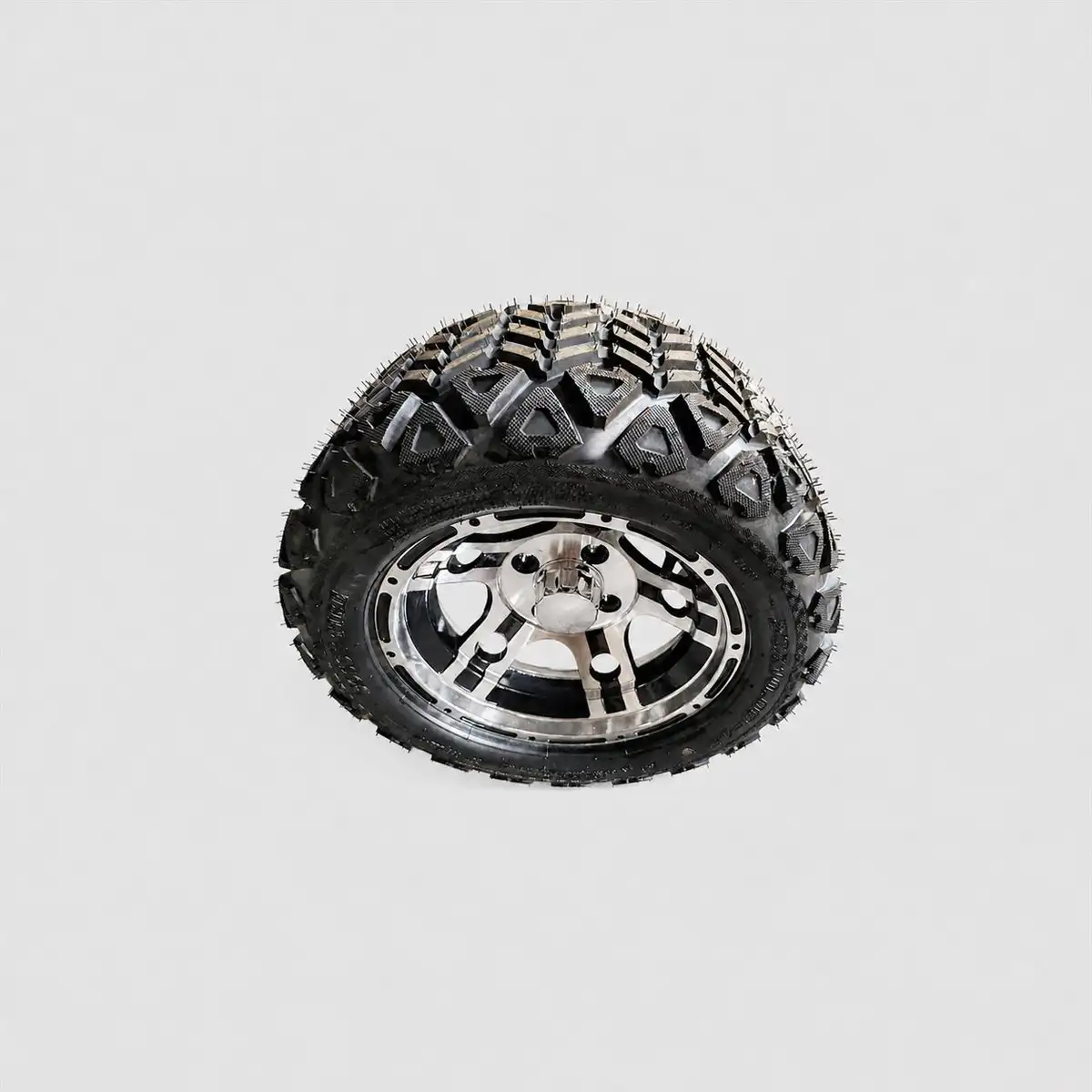
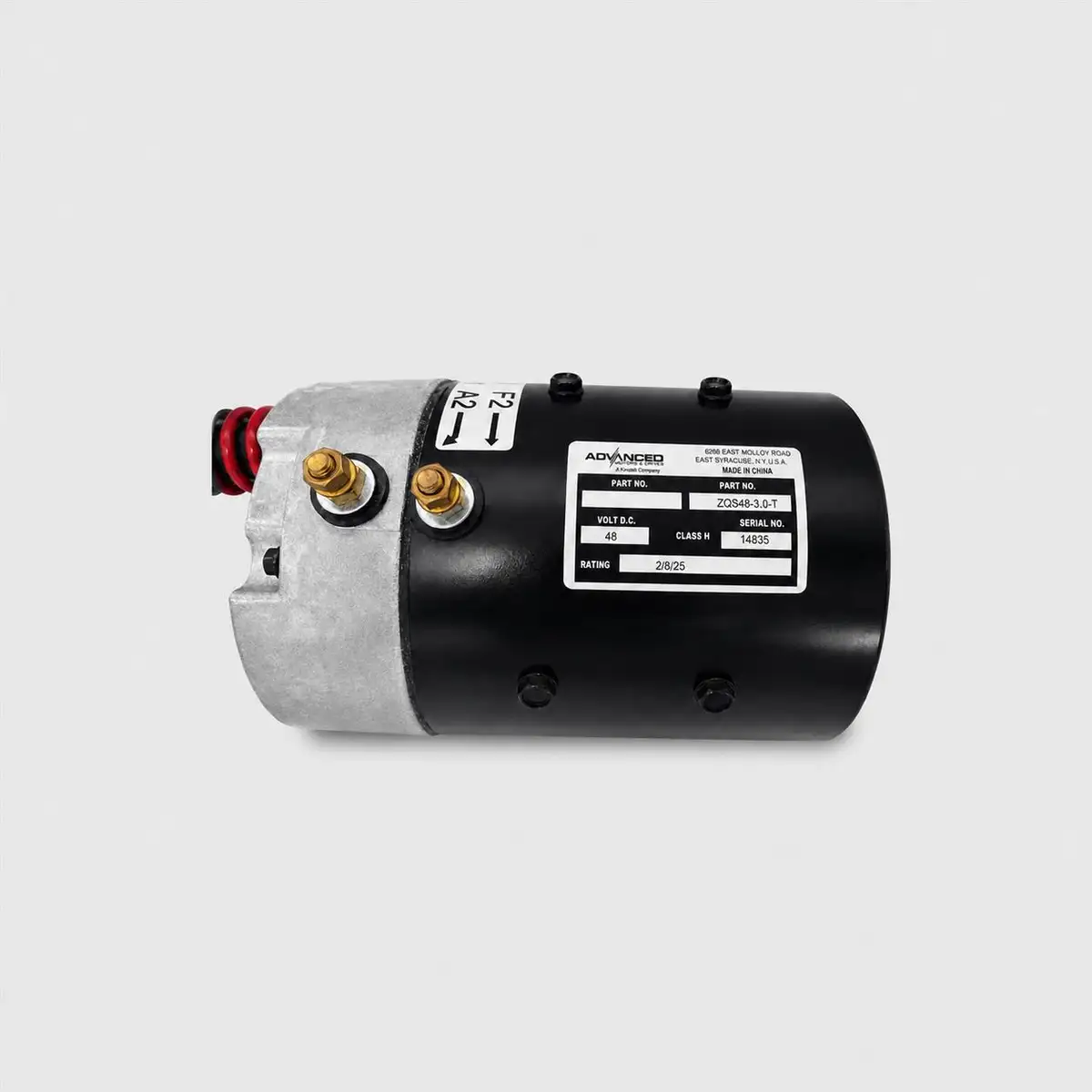
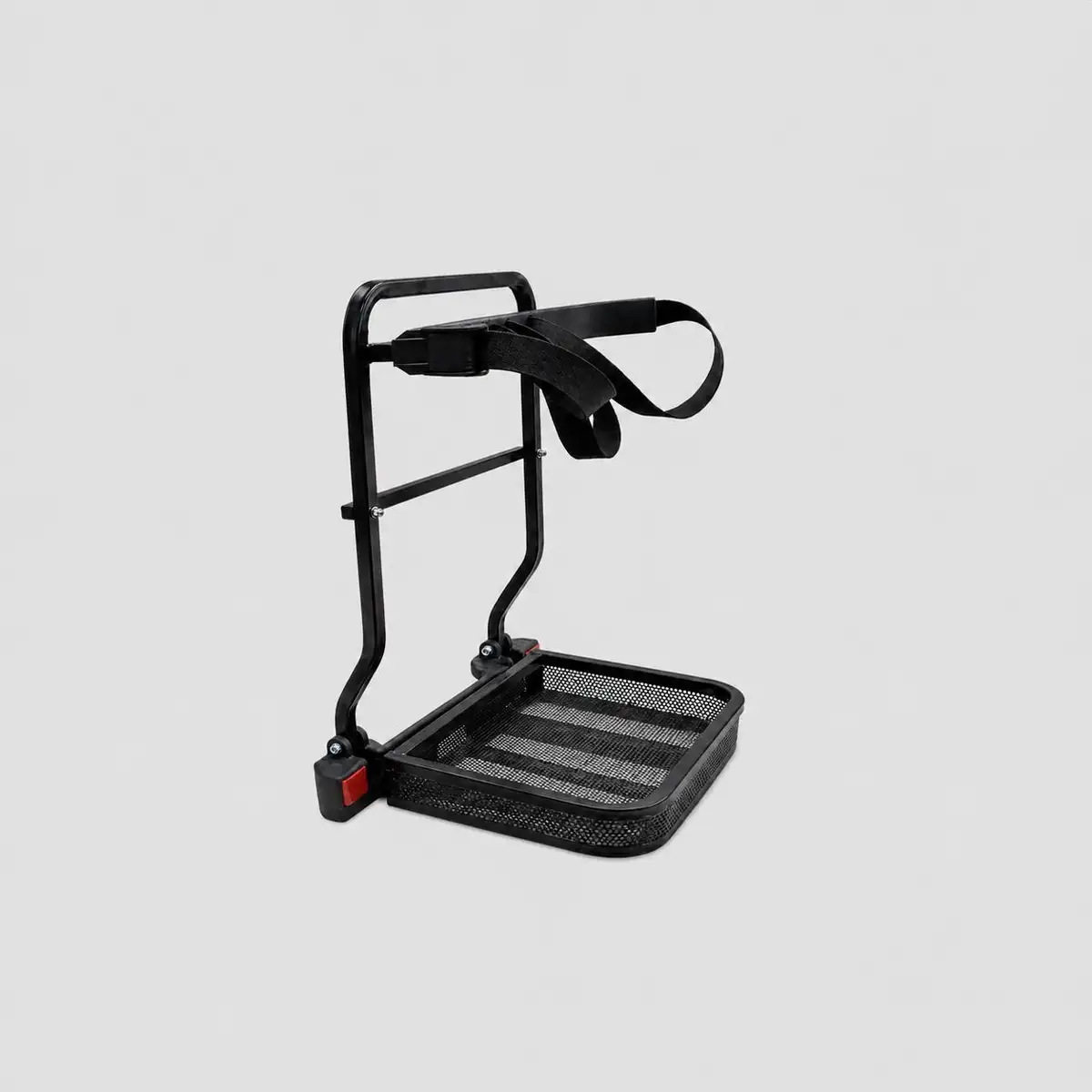
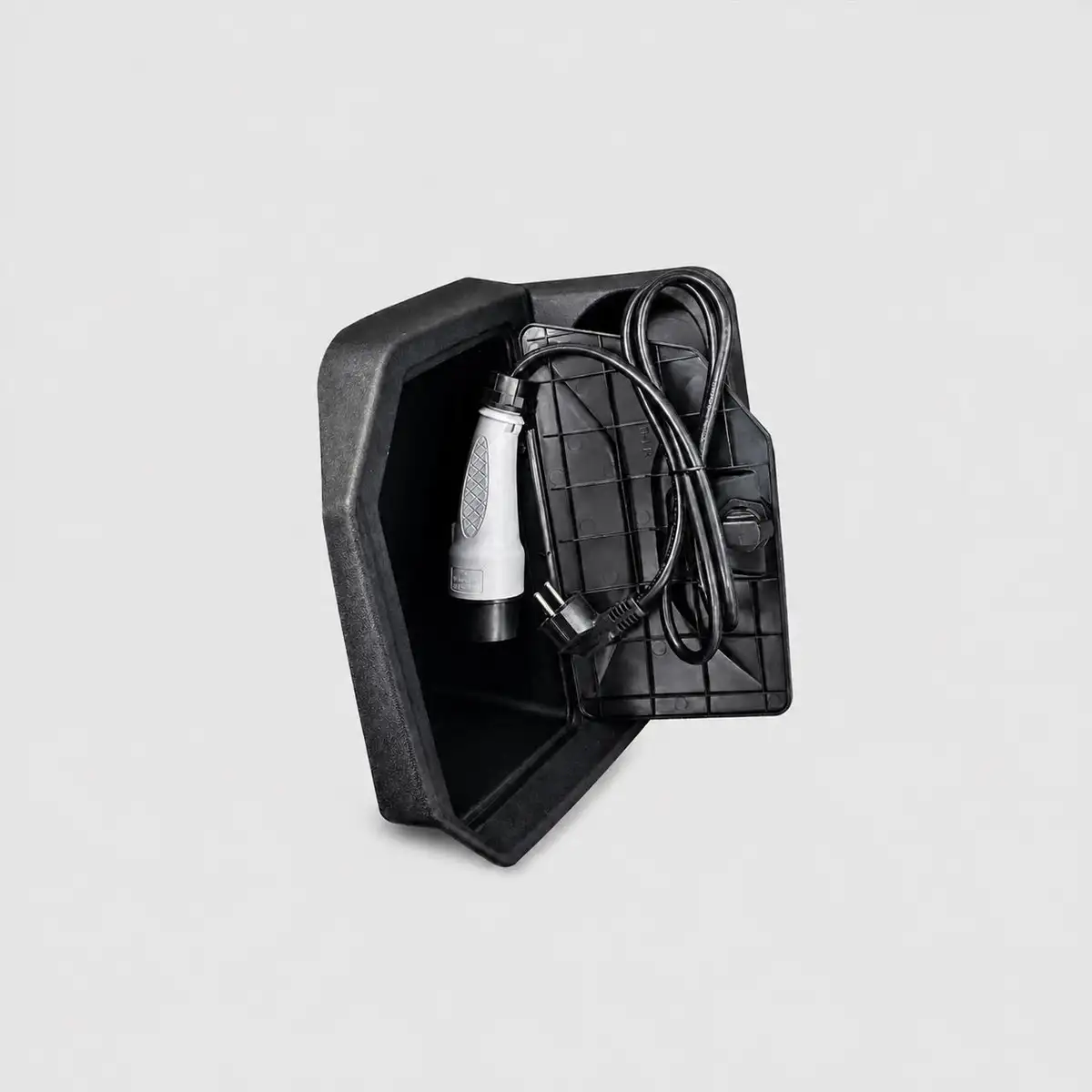
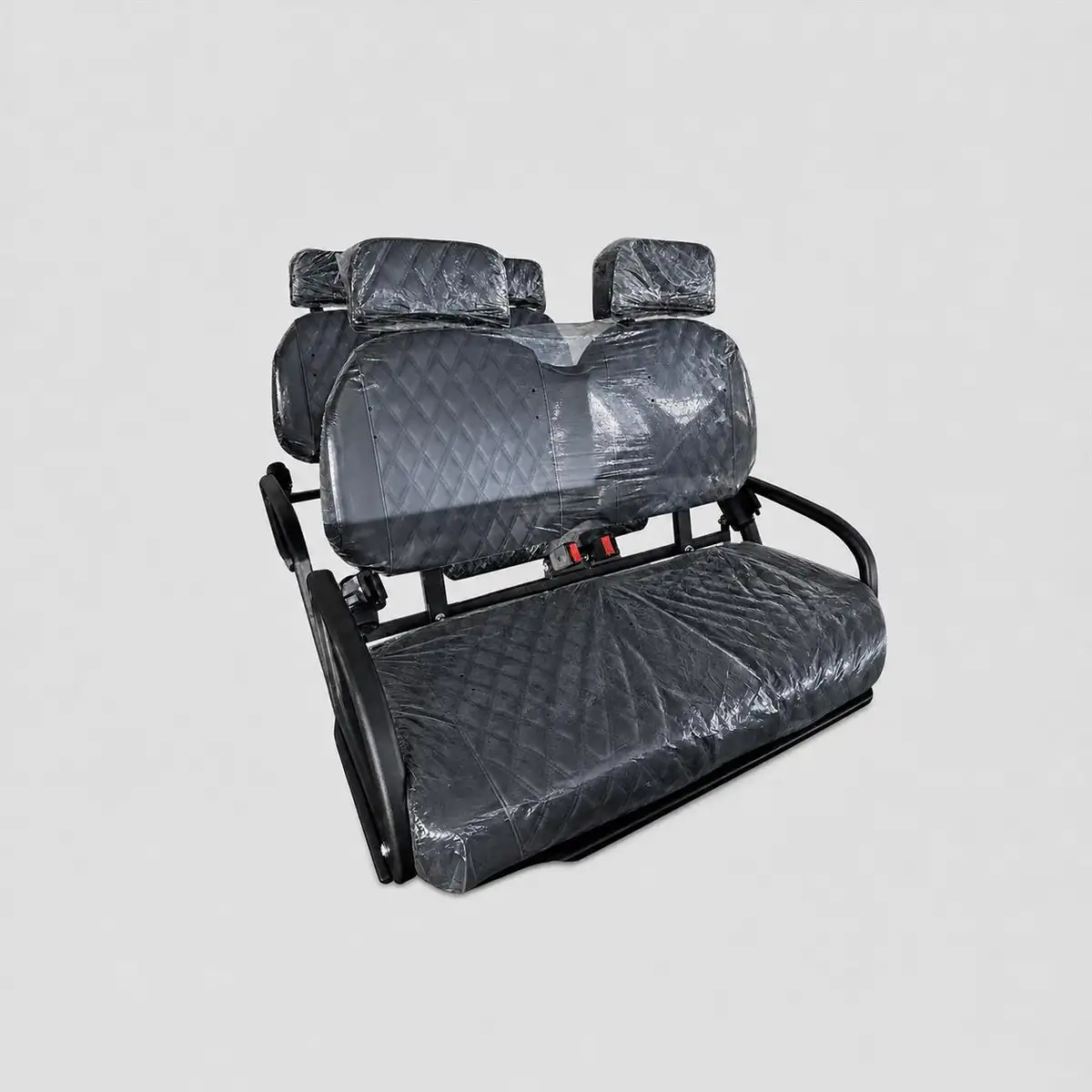
Each golf cart is wrapped with multi-layer protective materials and fixed stably, effectively avoiding scratches and impacts at sea.
01:24Each golf cart is wrapped with multi-layer protective materials and fixed stably, effectively avoiding scratches and impacts at sea.
01:24Every golf cart is well wrapped and securely locked in place, ready to be shipped safely to overseas destinations.
03:37Follow these simple steps to assemble the golf cart. Clear procedures help you finish installation quickly.
Real on-site records from our factory, offering a practical view of our production capability and delivery readiness.
Our team is ready to advise you on the best product configuration and procurement plan.
info@eascoutia.com400 158 58991. It is commonly used for industrial parks, logistics routes, worksites and managed fleet operations, subject to the selected model and site conditions.
2. Match payload, dimensions, axle or tire specification, powertrain, route and regulatory requirements to the actual workload and operating environment.
3. Confirm model, color, payload, axle or tire specification and optional equipment, then verify the response time and any special requirements.
4. Prepare delivery inspection, approved registration where applicable and scheduled tire, brake and fluid checks; follow the manual for operation, inspection and routine maintenance.
 Simplified explanation