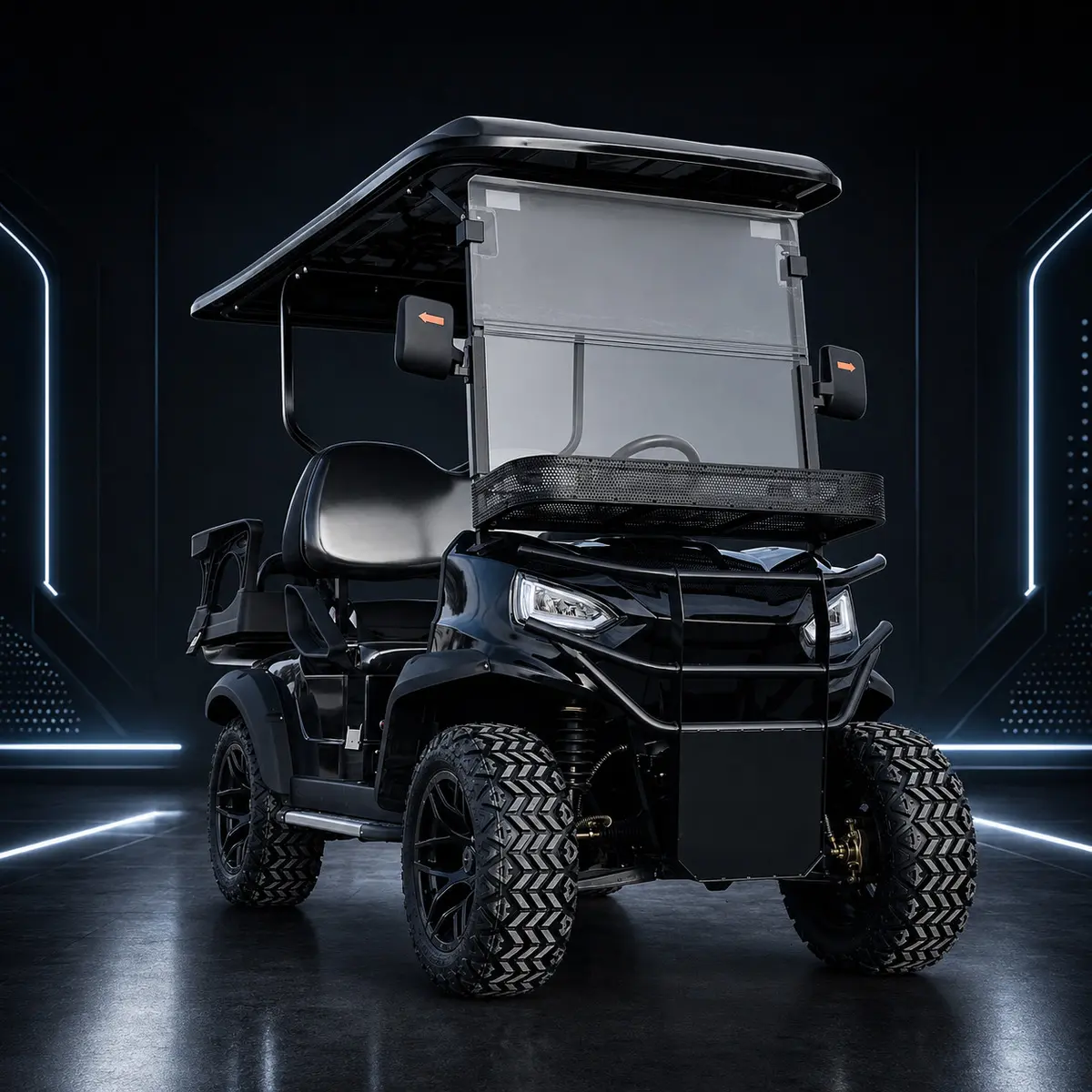
Provides extended protection for two rows of seats.
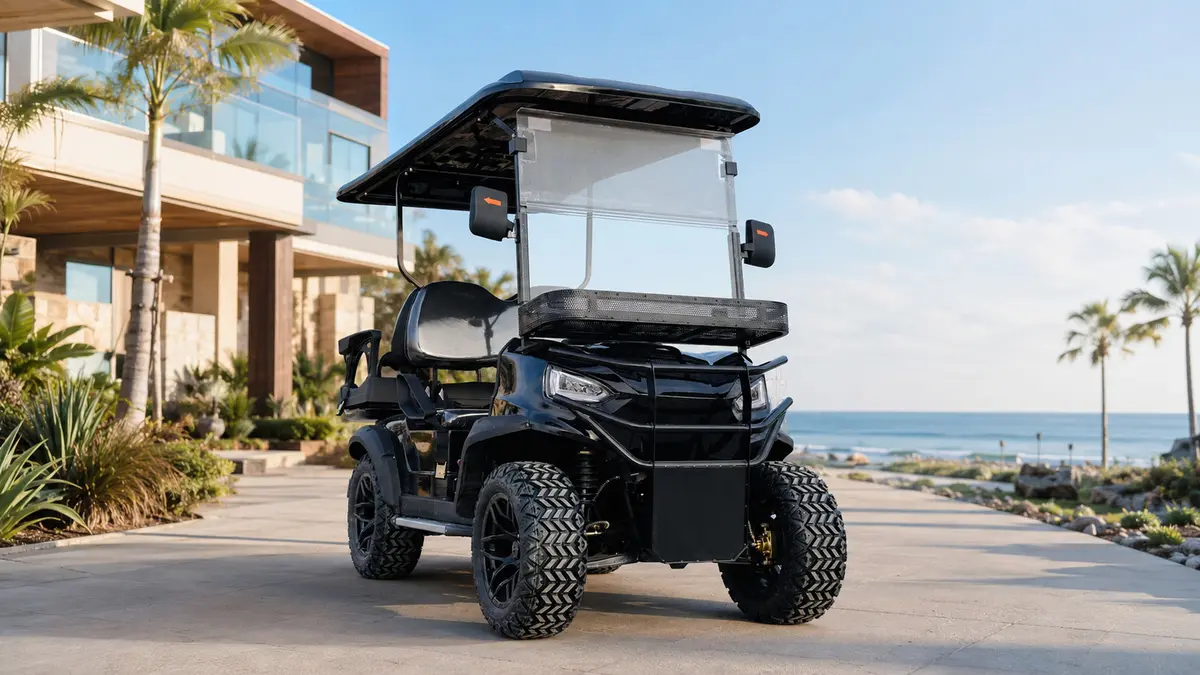 Coastal Resort Guest Shuttle


Commercial Transport and Fleet Operations with Golf
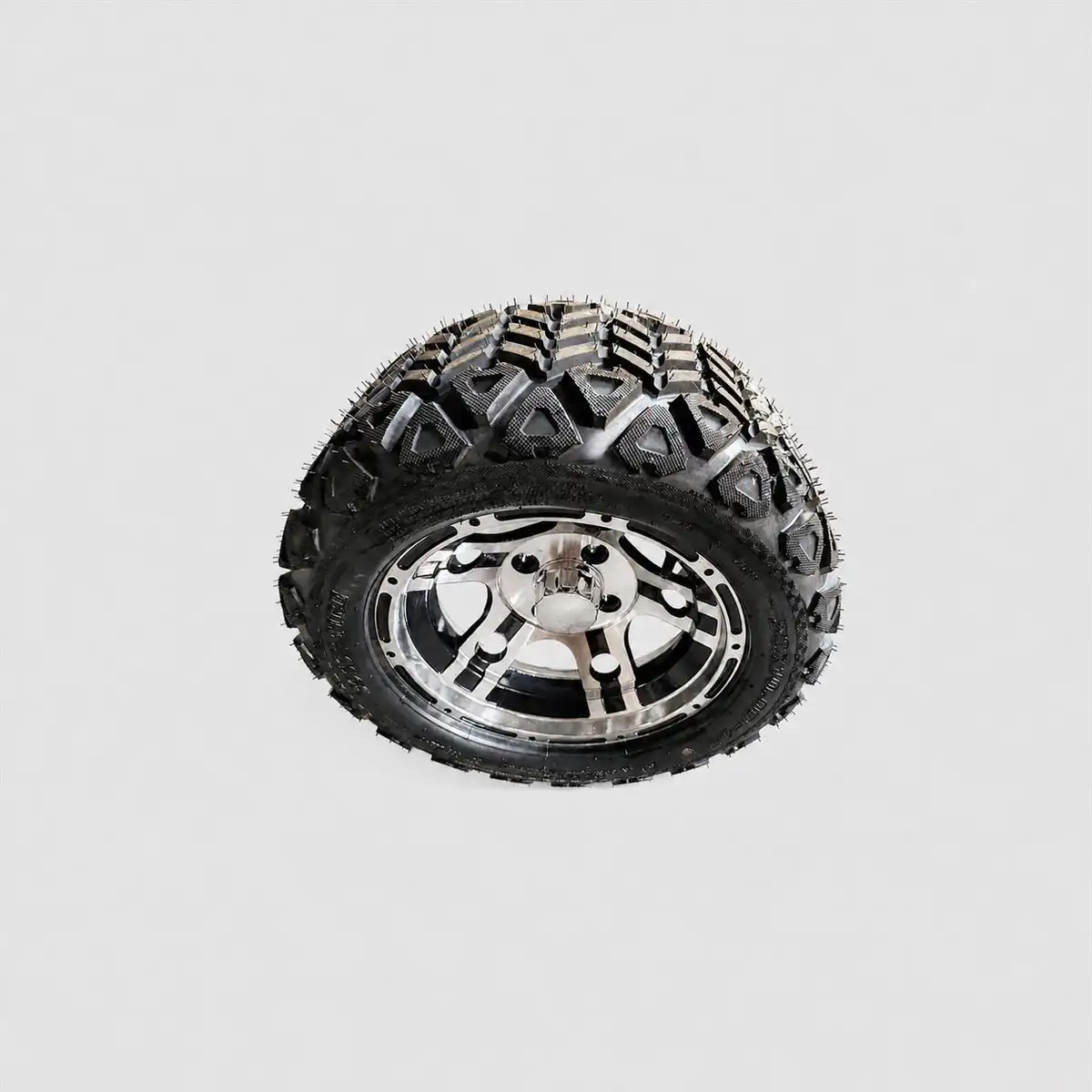
Golf is suited to industrial parks, logistics routes, worksites and managed fleet operations. It supports passenger or cargo movement matched to route, load, speed and local operating conditions. Before deployment, confirm payload, dimensions, axle or tire specification, powertrain, route and regulatory requirements.
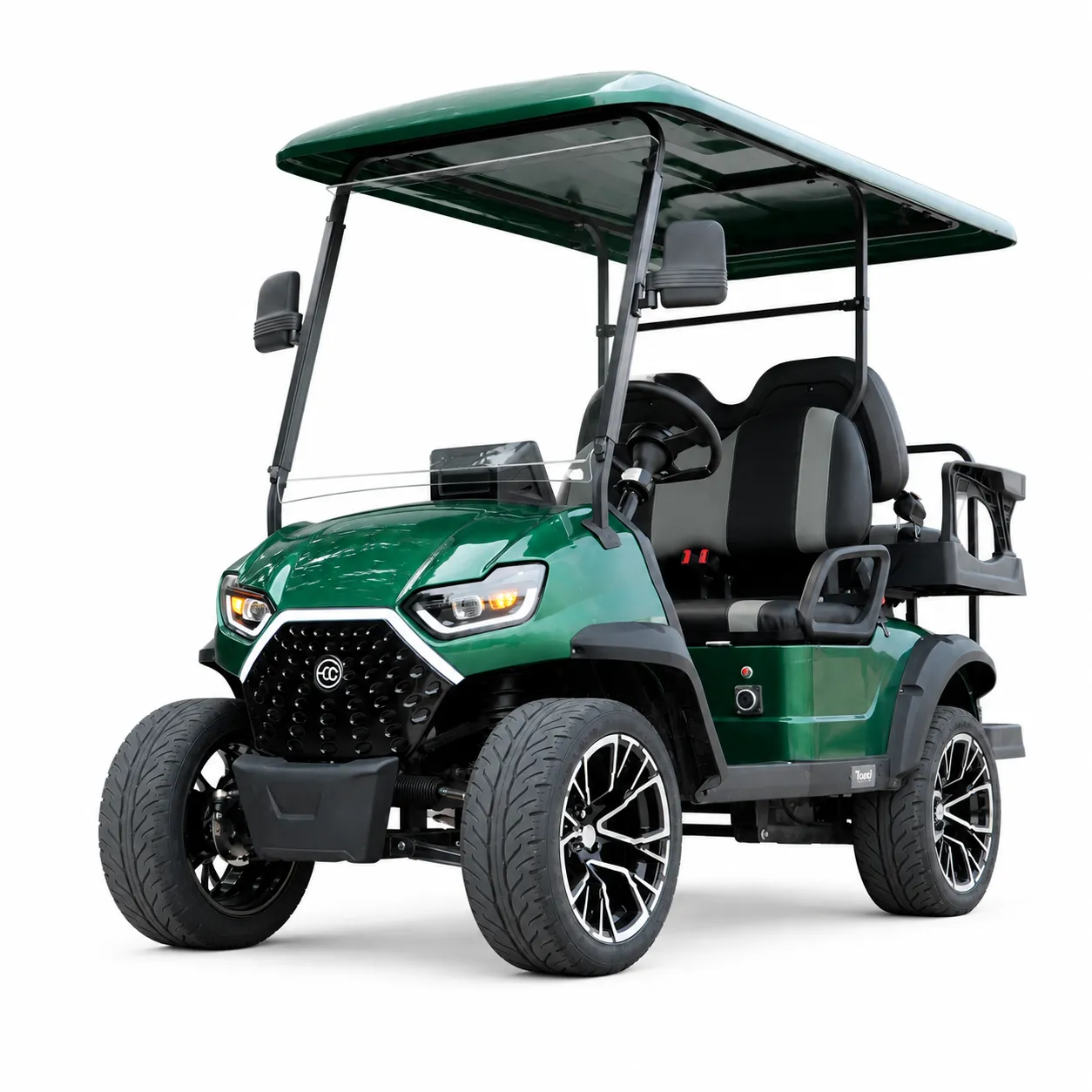
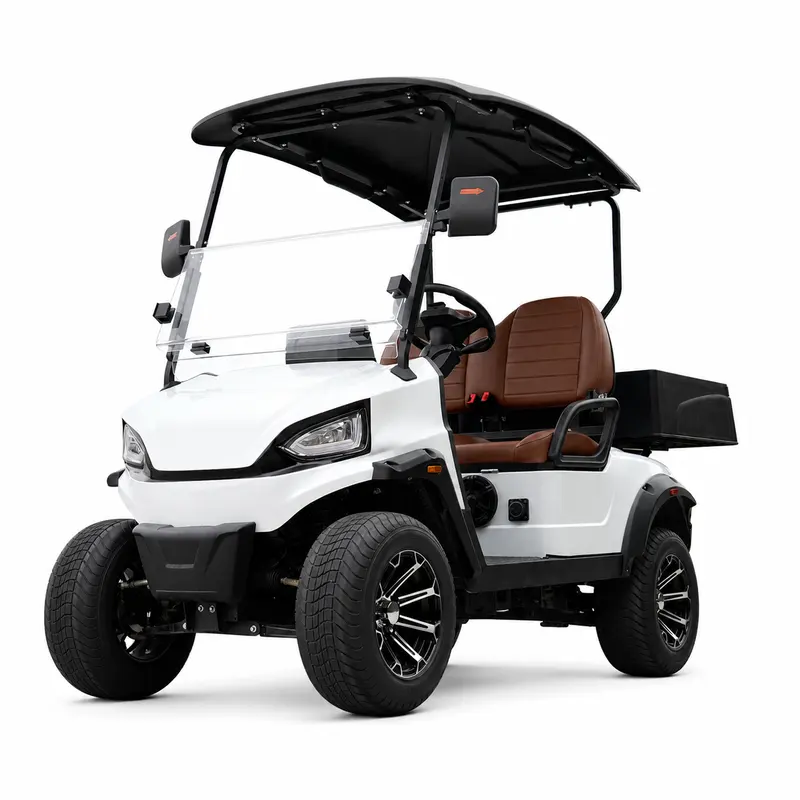
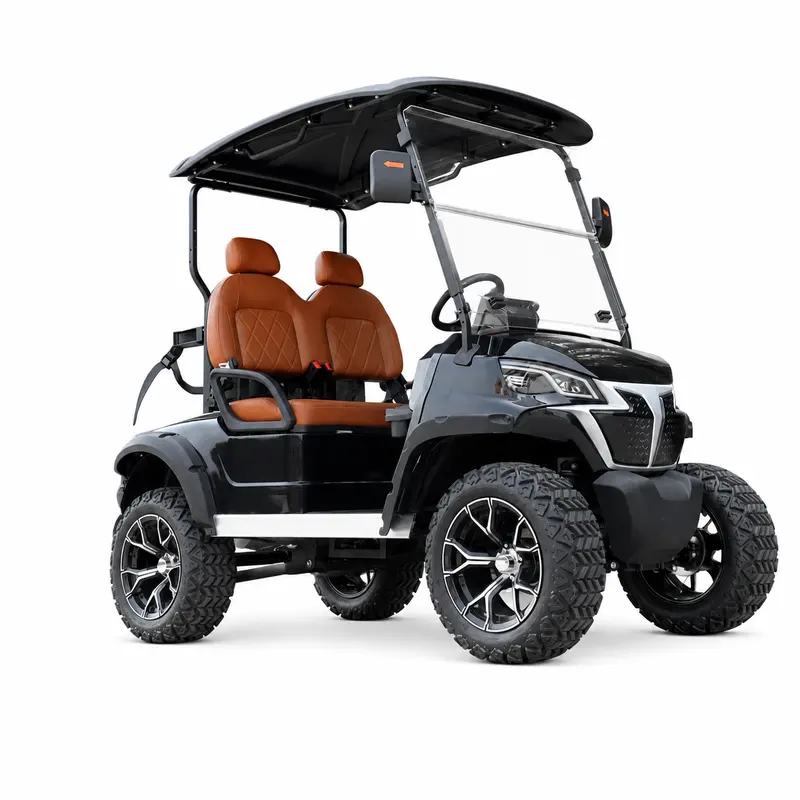
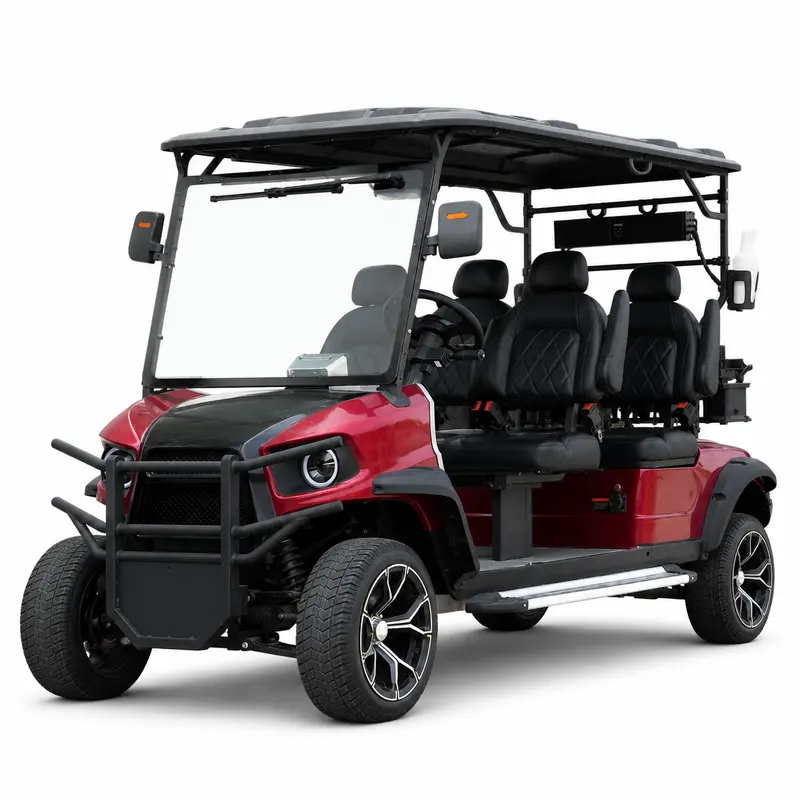
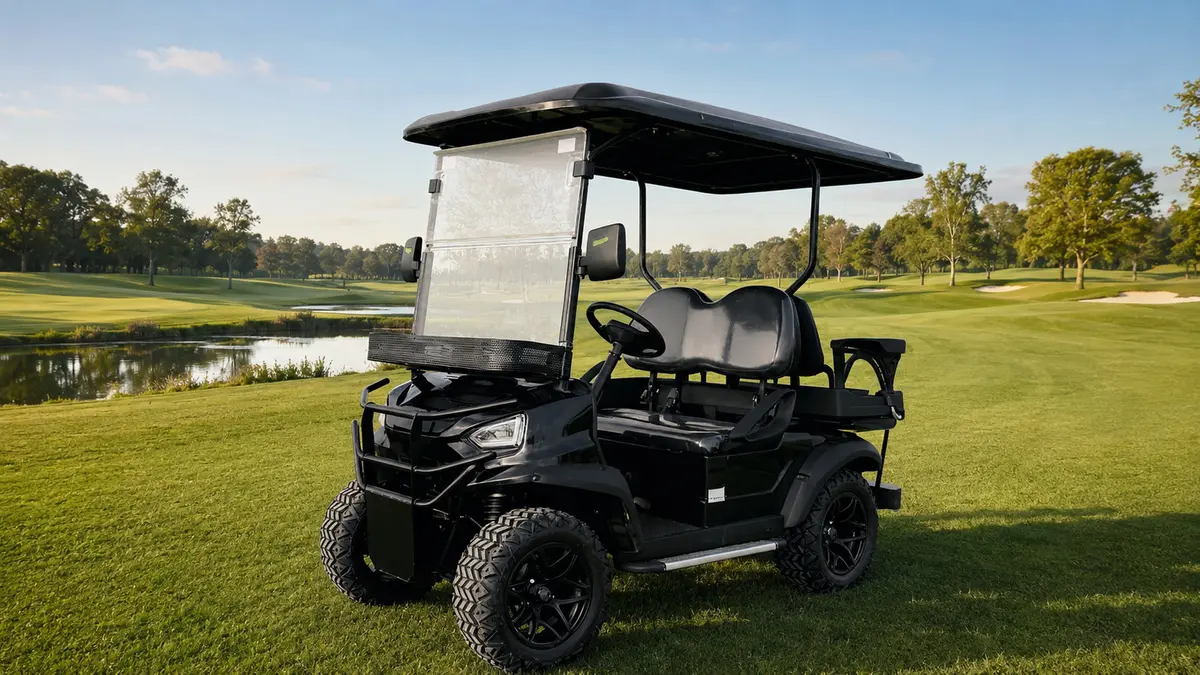 Premium Golf Course MobilityCoastal Resort Guest Shuttle
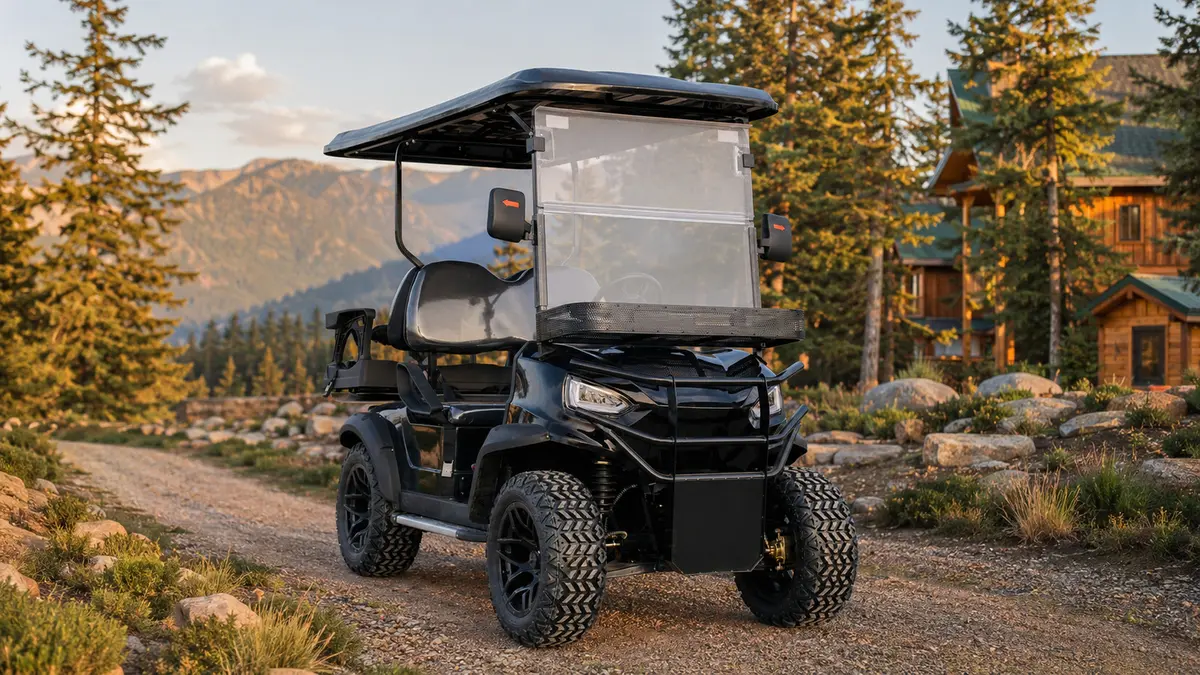 Mountain Eco-Resort AccessPremium Golf Course MobilityCoastal Resort Guest Shuttle
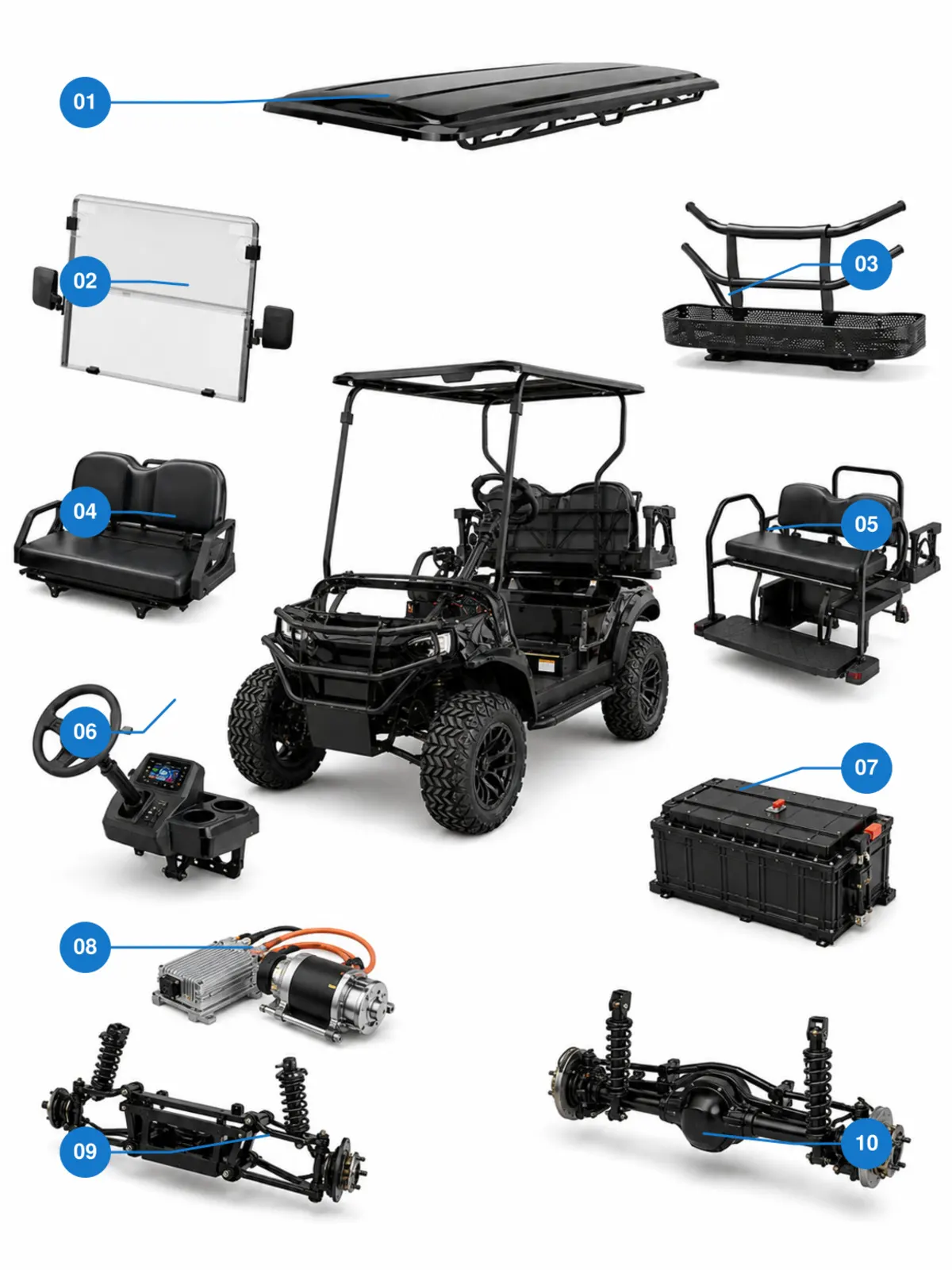
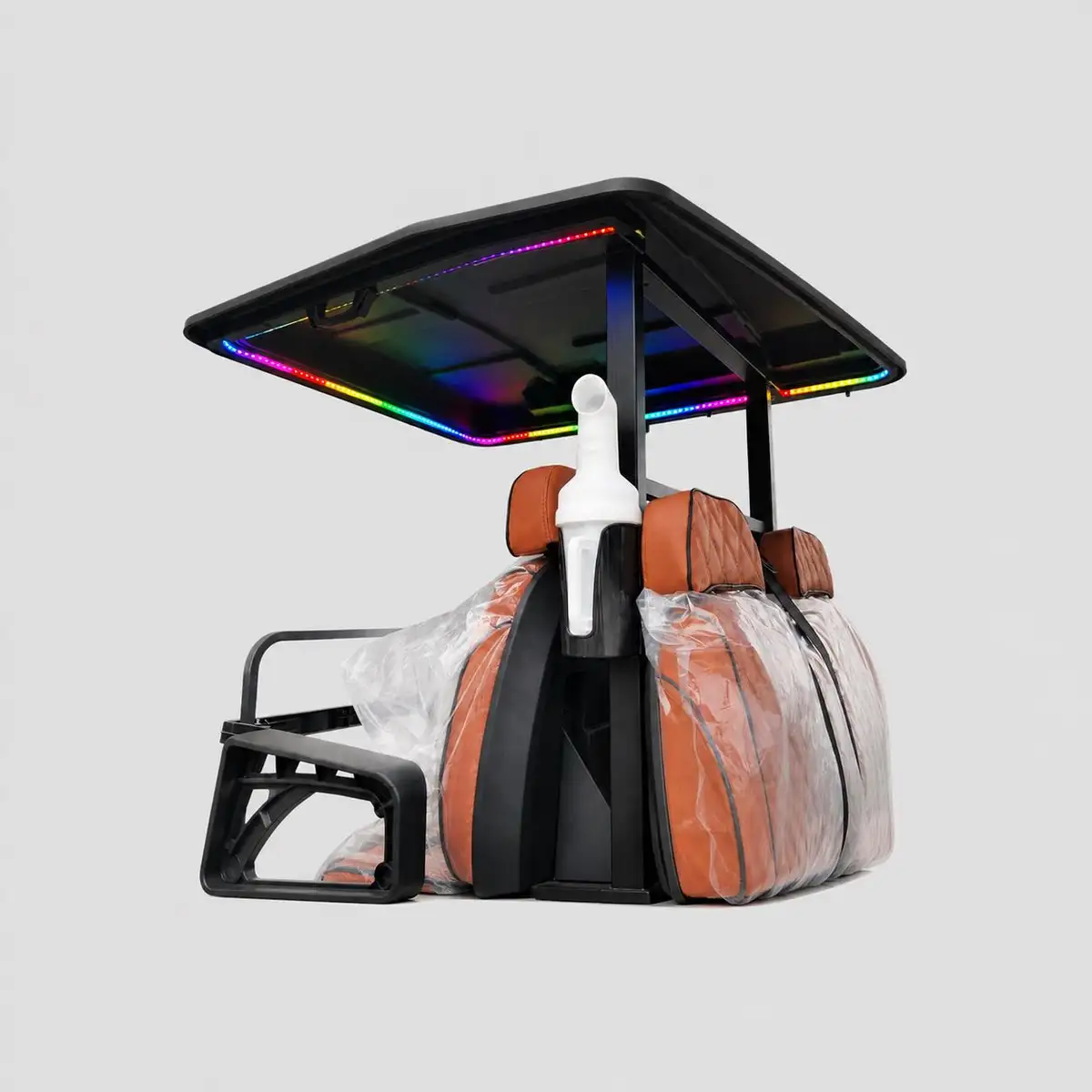
Provides extended protection for two rows of seats.
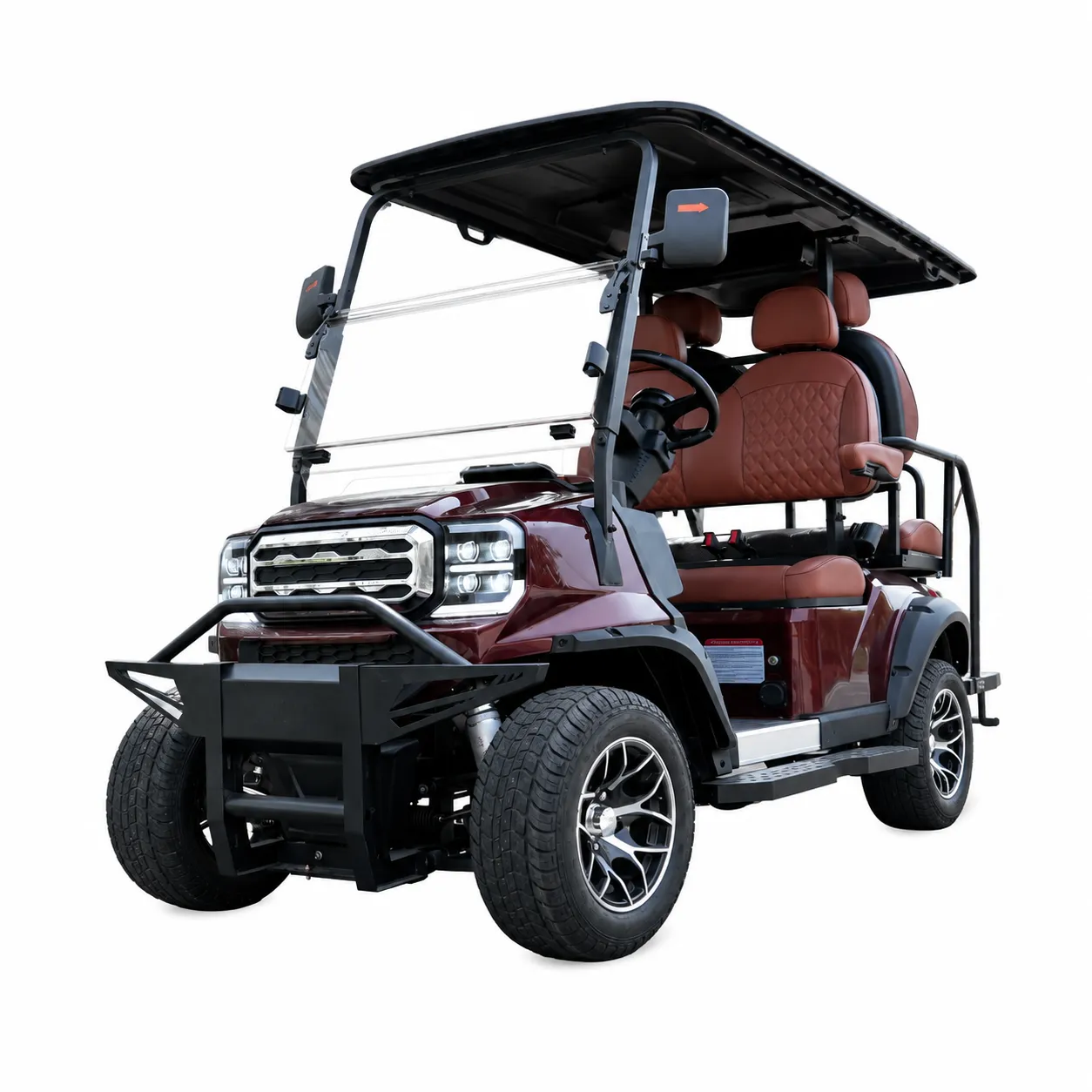
Foldable transparent windshield, balancing visibility, ventilation, and weather protection.
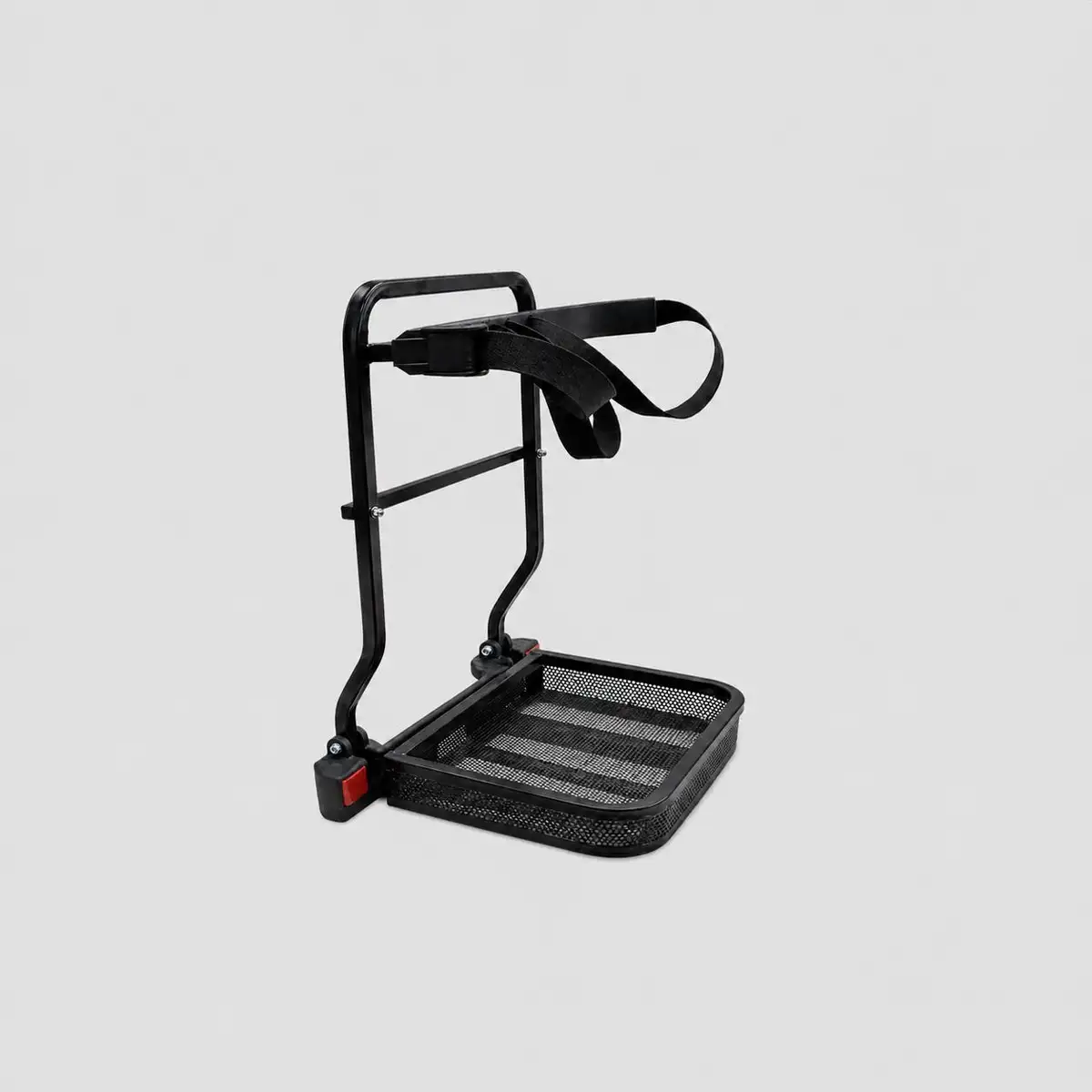
Tubular bumper paired with a front-mounted mesh storage basket
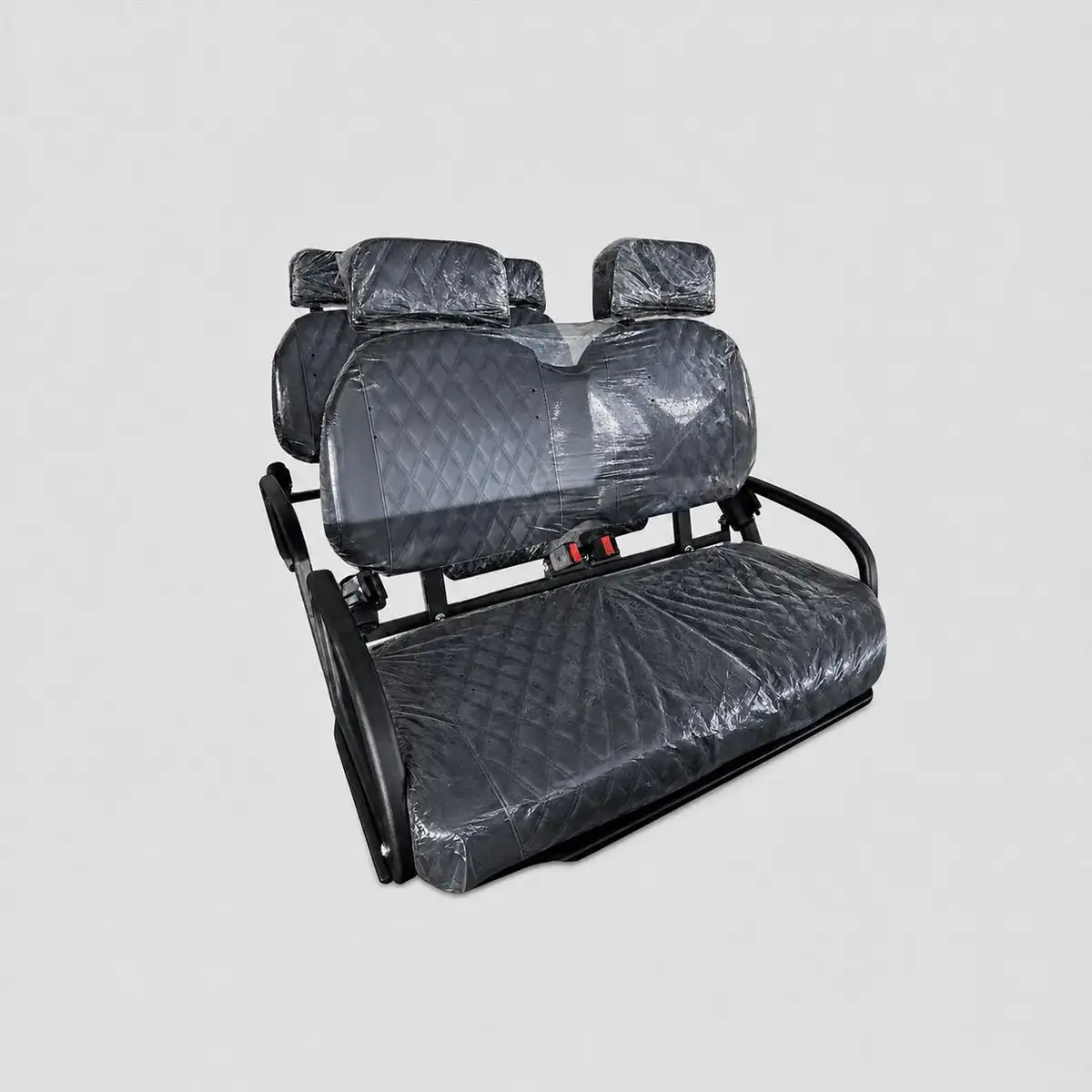
Ergonomic dual seats with integrated lateral support.
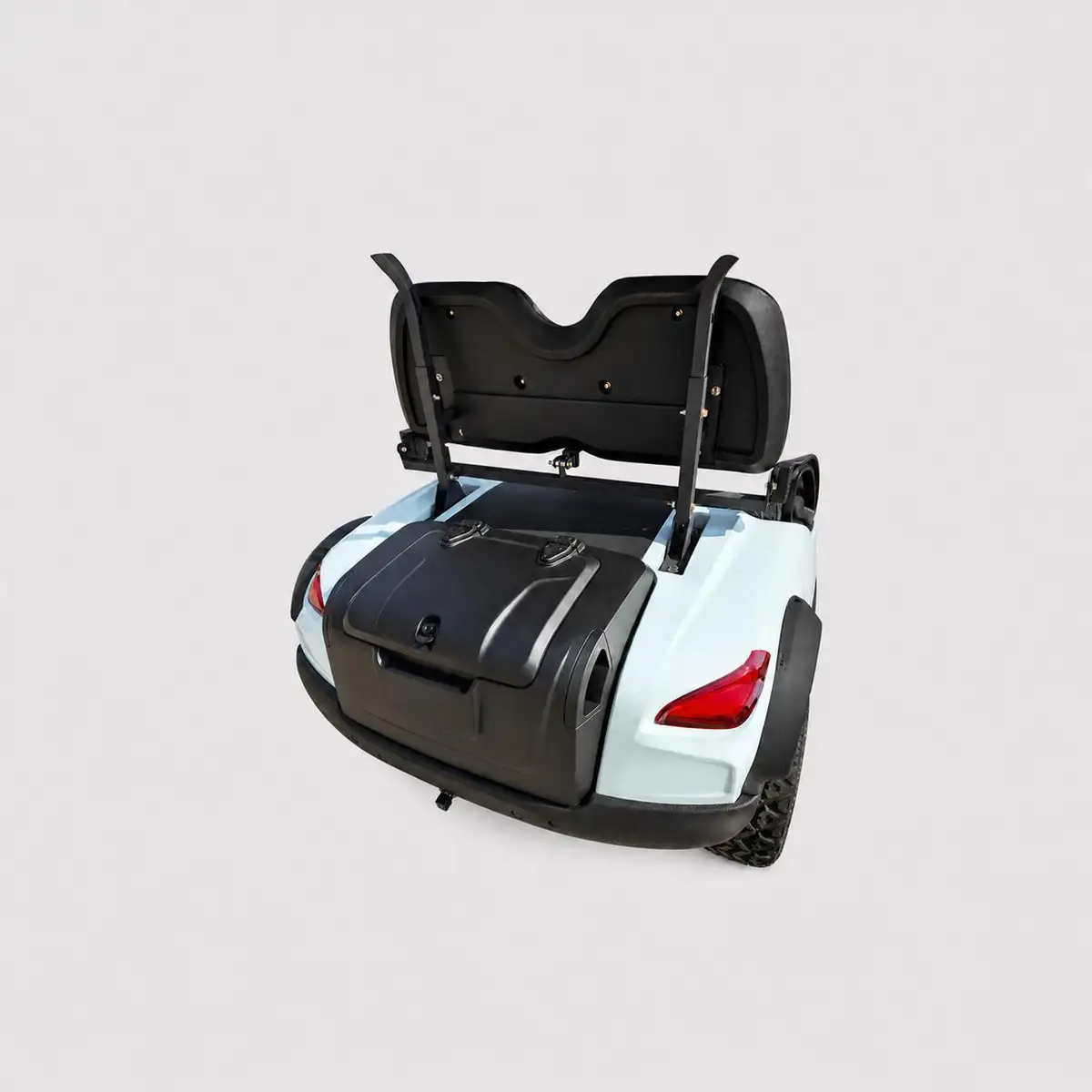
Convertible rear passenger seats and a flat, practical cargo platform.
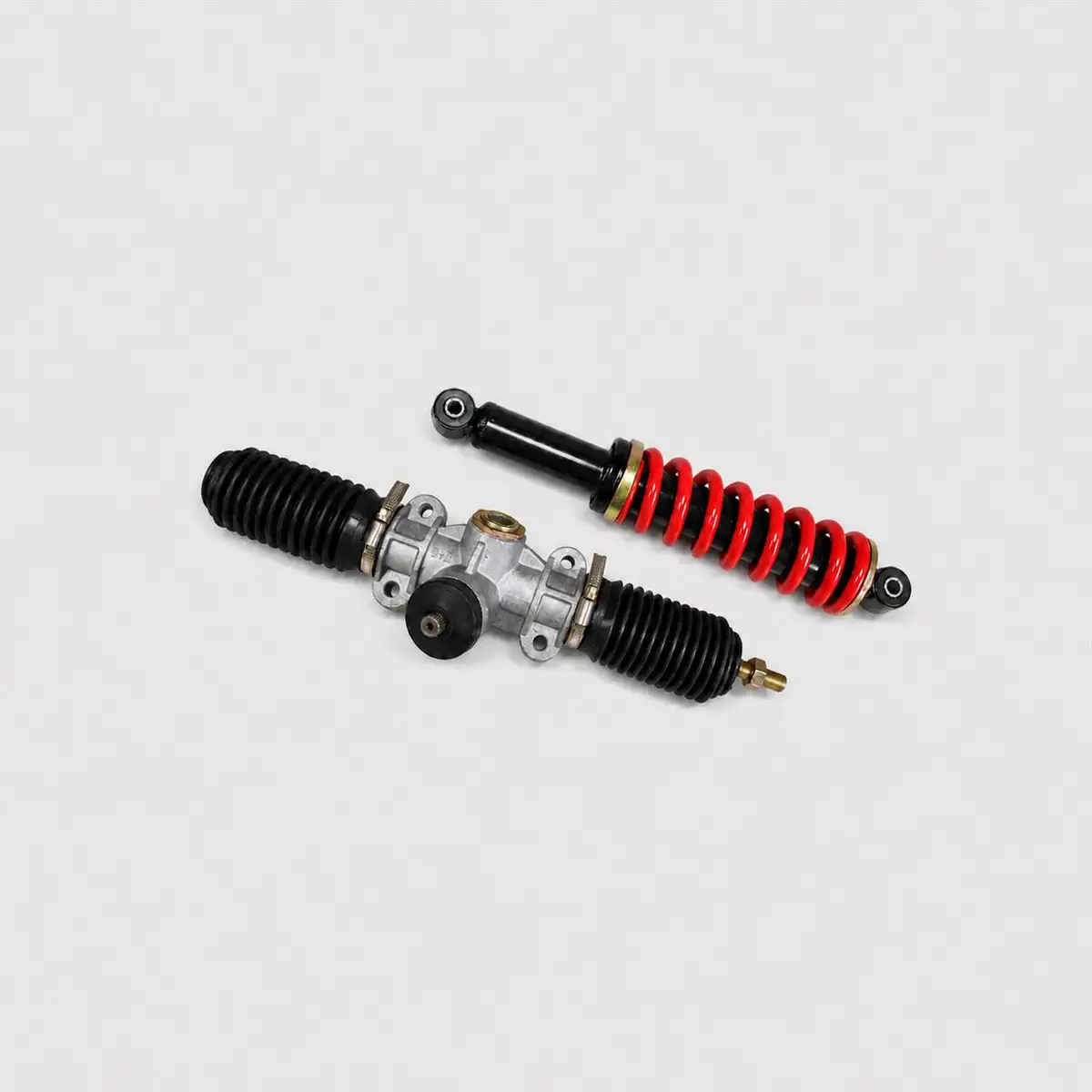
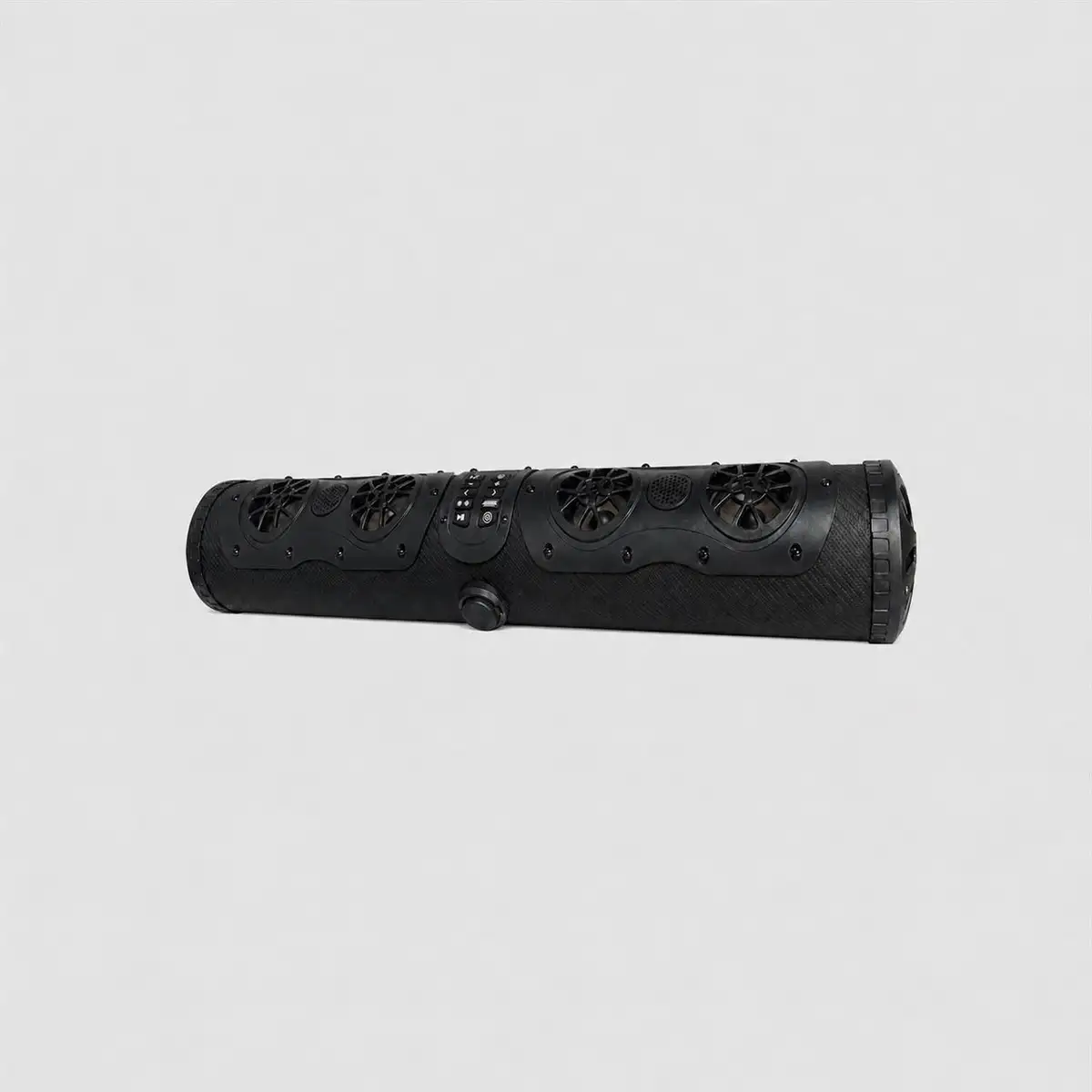
Steering mechanism, main control components, and a multi-function digital display.
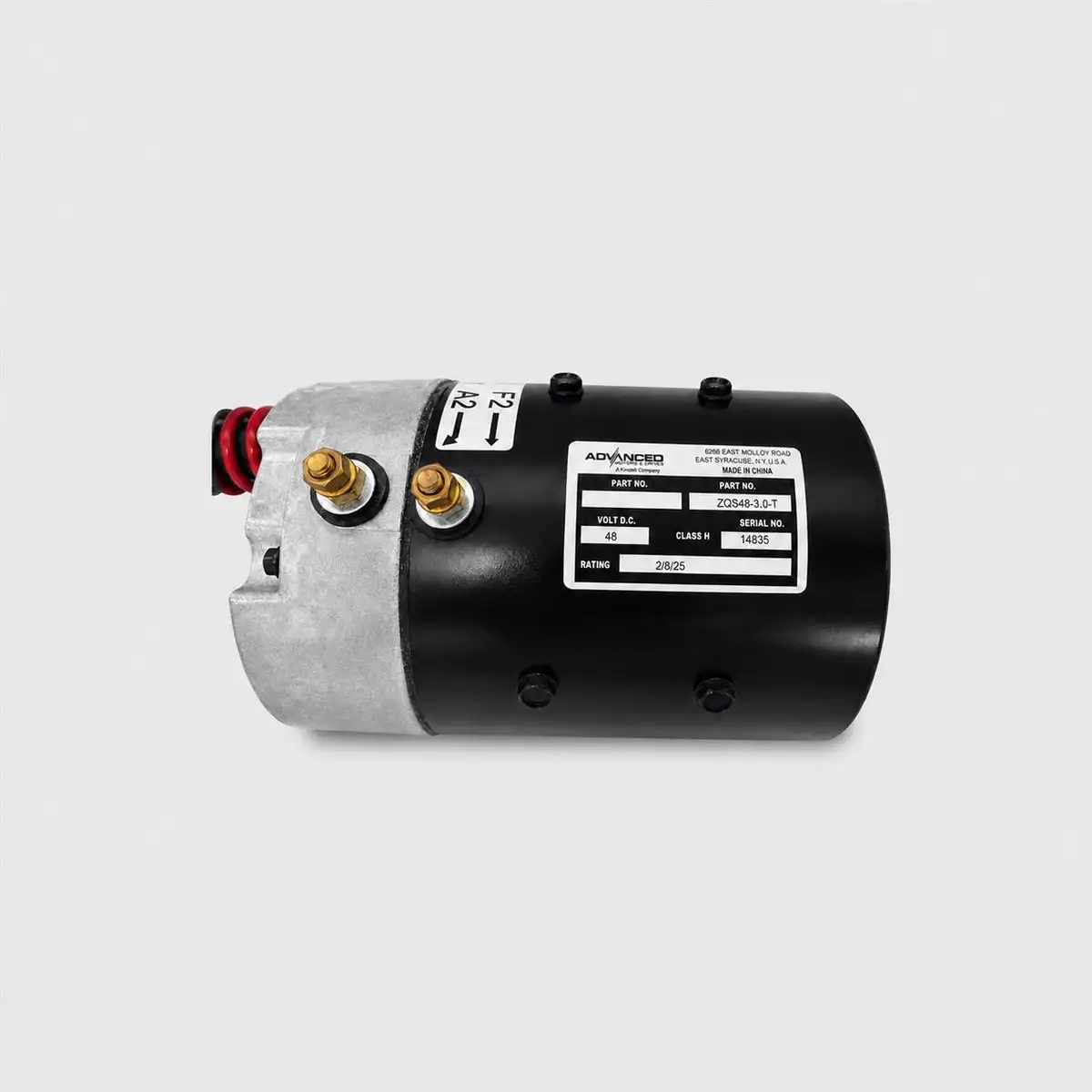
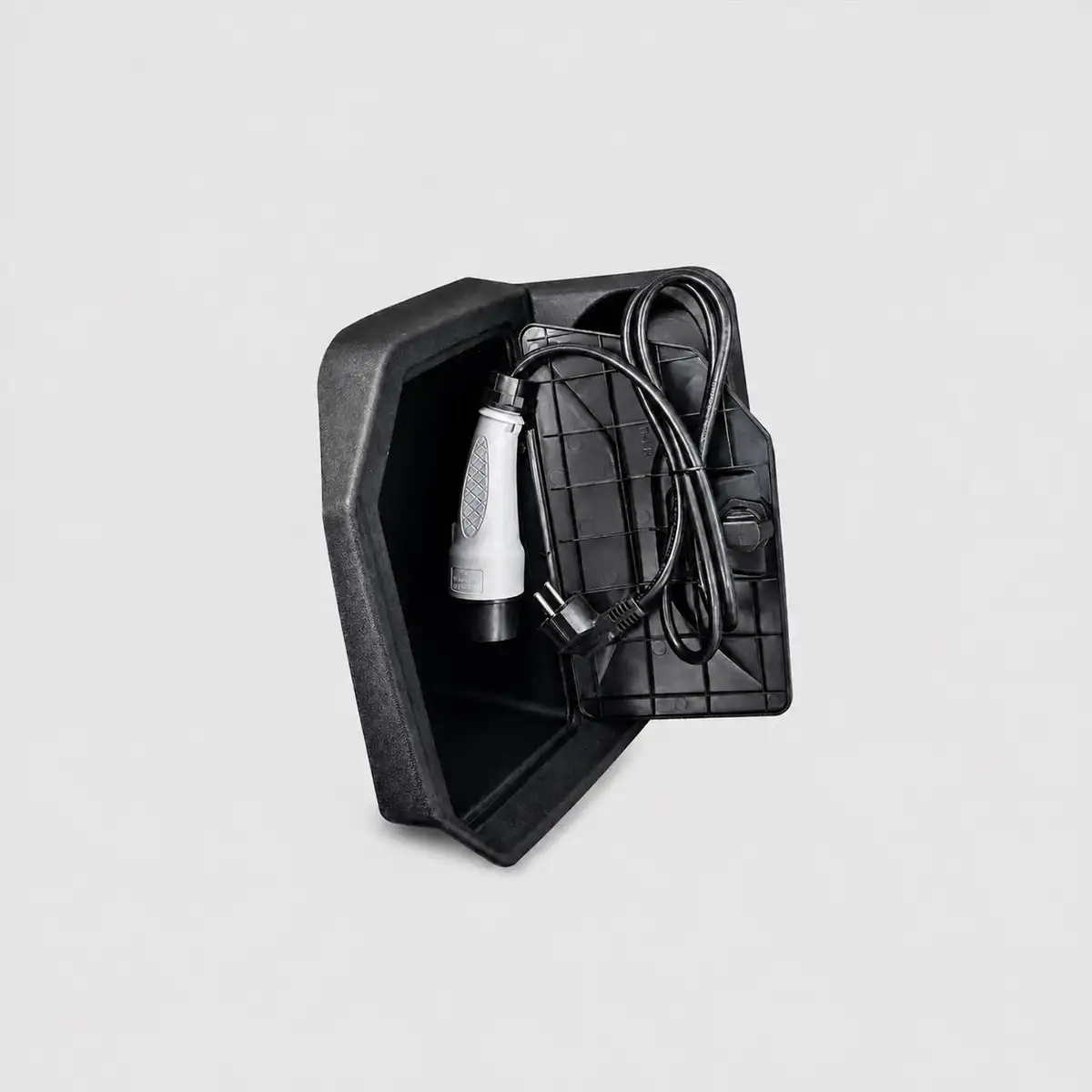
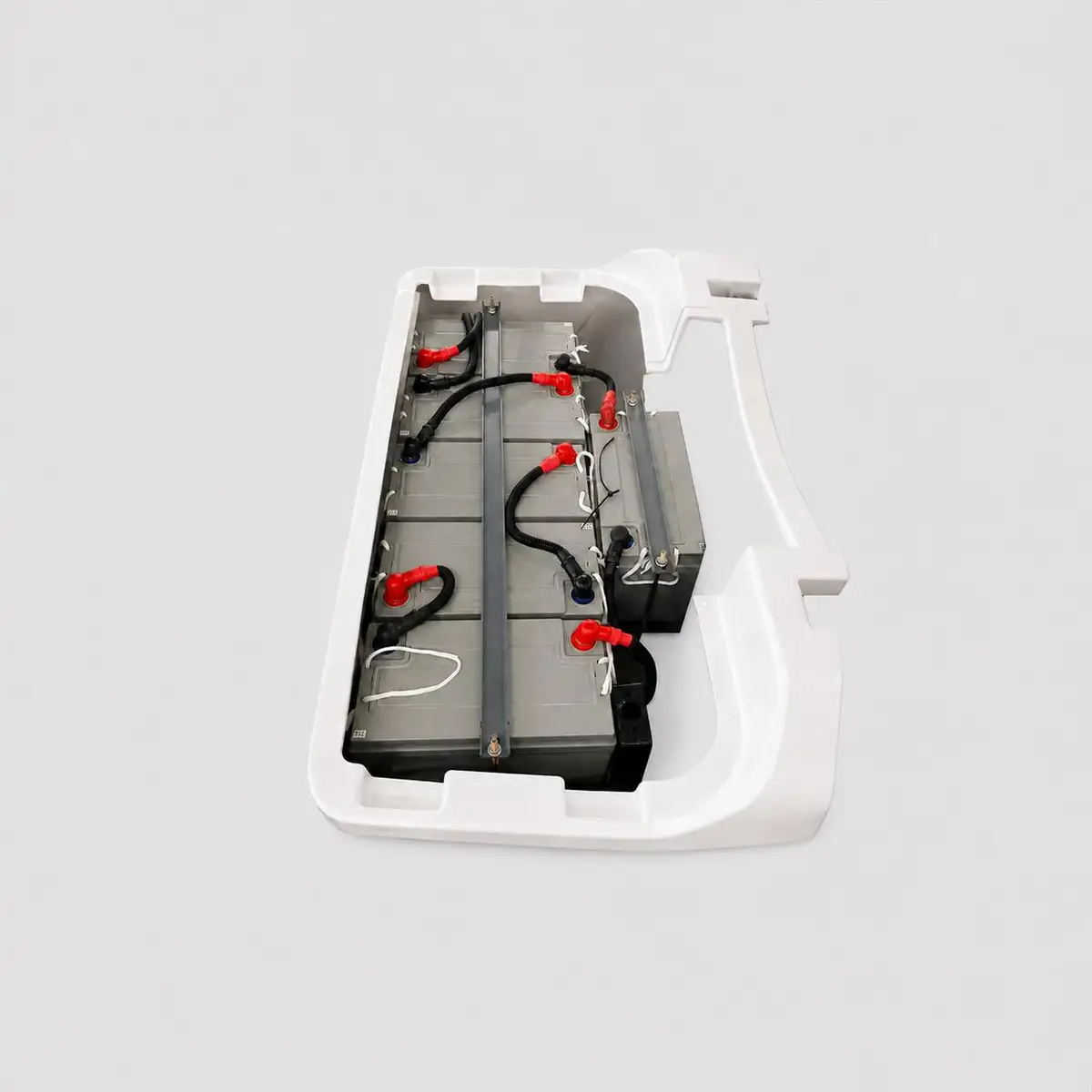
High-capacity power supply, offering efficient operation and simple maintenance.
We use shockproof packing materials for golf carts. Firm fixation reduces collision risks in long sea transport.
01:24We use shockproof packing materials for golf carts. Firm fixation reduces collision risks in long sea transport.
01:24Golf carts get comprehensive wrapping and solid fixing before shipment, keeping them safe on long overseas voyages.
03:37Follow these simple steps to assemble the golf cart. Clear procedures help you finish installation quickly.
Real on-site records from our factory, offering a practical view of our production capability and delivery readiness.
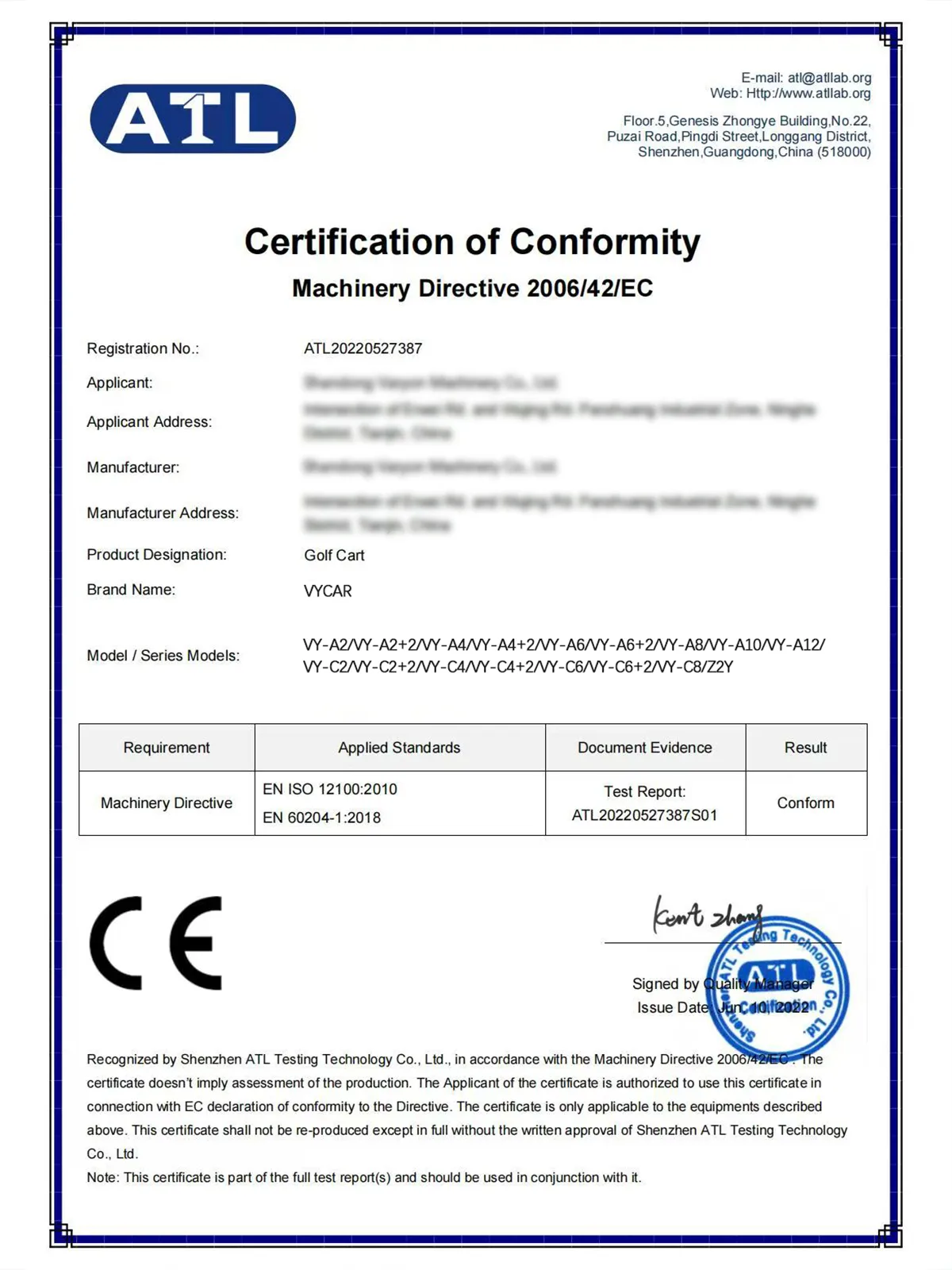
Qualification Documents
Our team is ready to advise you on the best product configuration and procurement plan.
info@eascoutia.com400 158 58991. It is commonly used for industrial parks, logistics routes, worksites and managed fleet operations, subject to the selected model and site conditions.
2. Match payload, dimensions, axle or tire specification, powertrain, route and regulatory requirements to the actual workload and operating environment.
3. Confirm model, color, payload, axle or tire specification and optional equipment, then verify the response time and any special requirements.
4. Prepare delivery inspection, approved registration where applicable and scheduled tire, brake and fluid checks; follow the manual for operation, inspection and routine maintenance.
 Simplified explanation