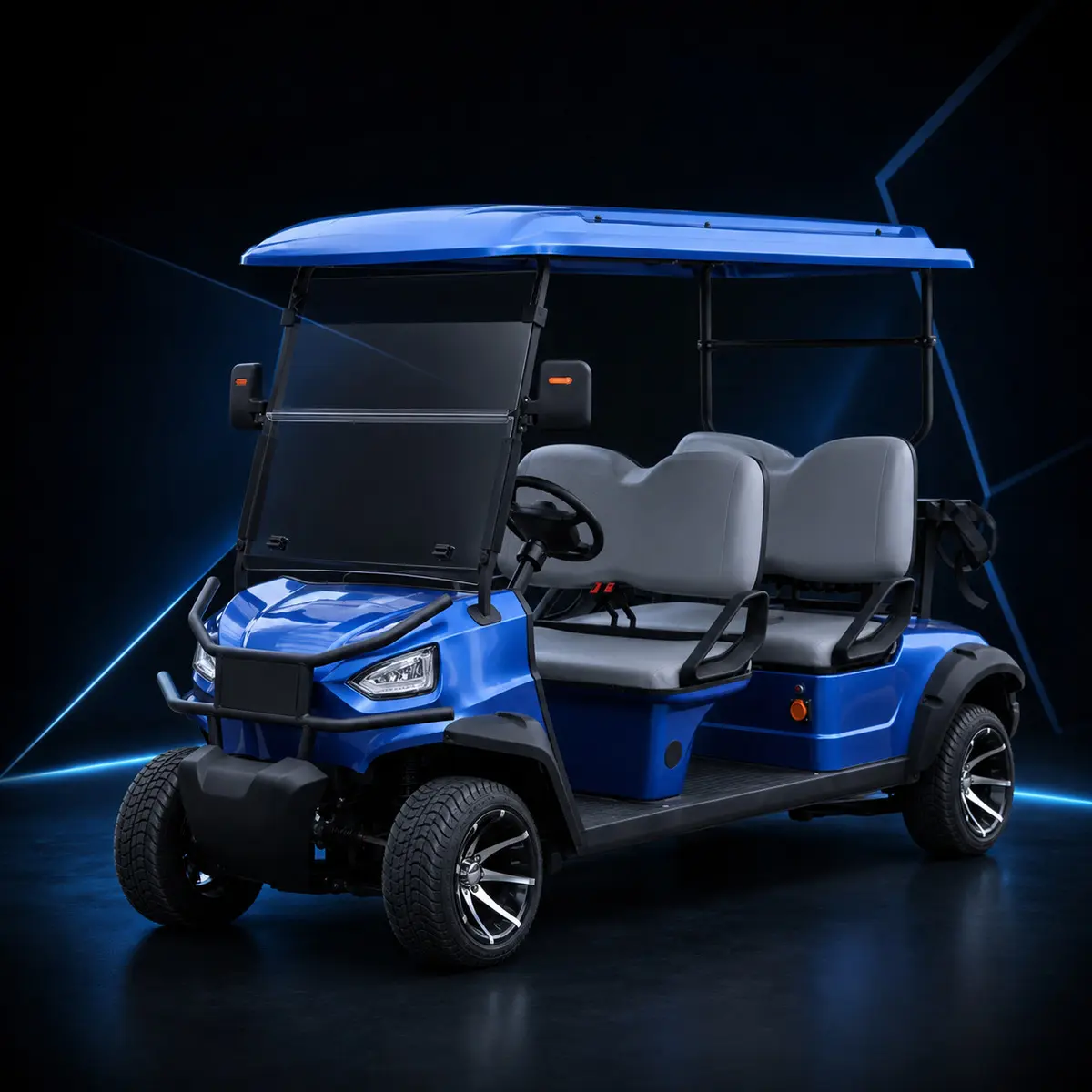
Covers two rows of forward-facing seats.
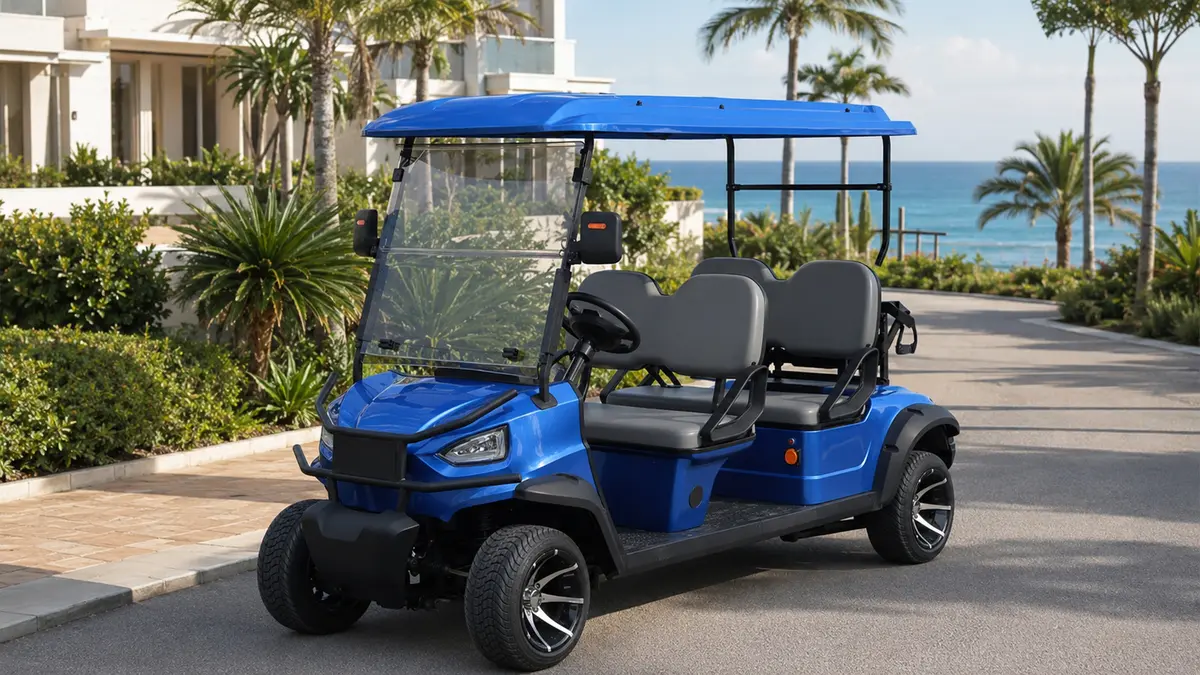 Coastal Resort Shuttle


Commercial Transport and Fleet Operations with Golf
Golf is suited to industrial parks, logistics routes, worksites and managed fleet operations. It supports passenger or cargo movement matched to route, load, speed and local operating conditions. Before deployment, confirm payload, dimensions, axle or tire specification, powertrain, route and regulatory requirements.
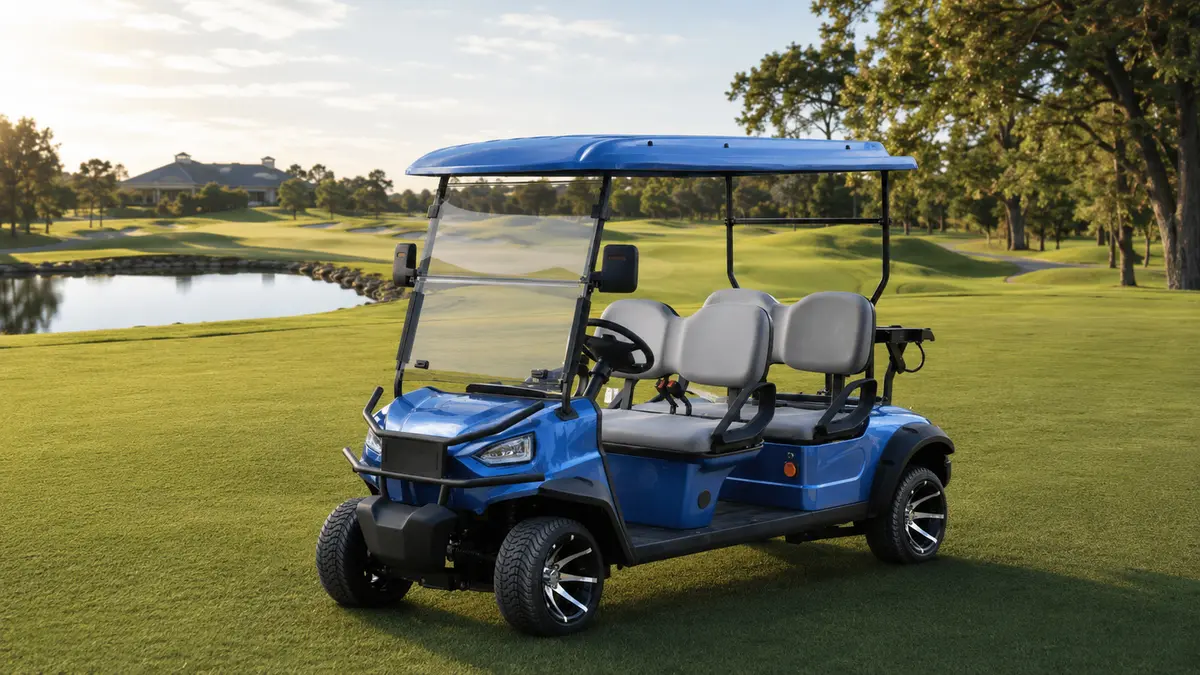 Golf Course MobilityCoastal Resort Shuttle
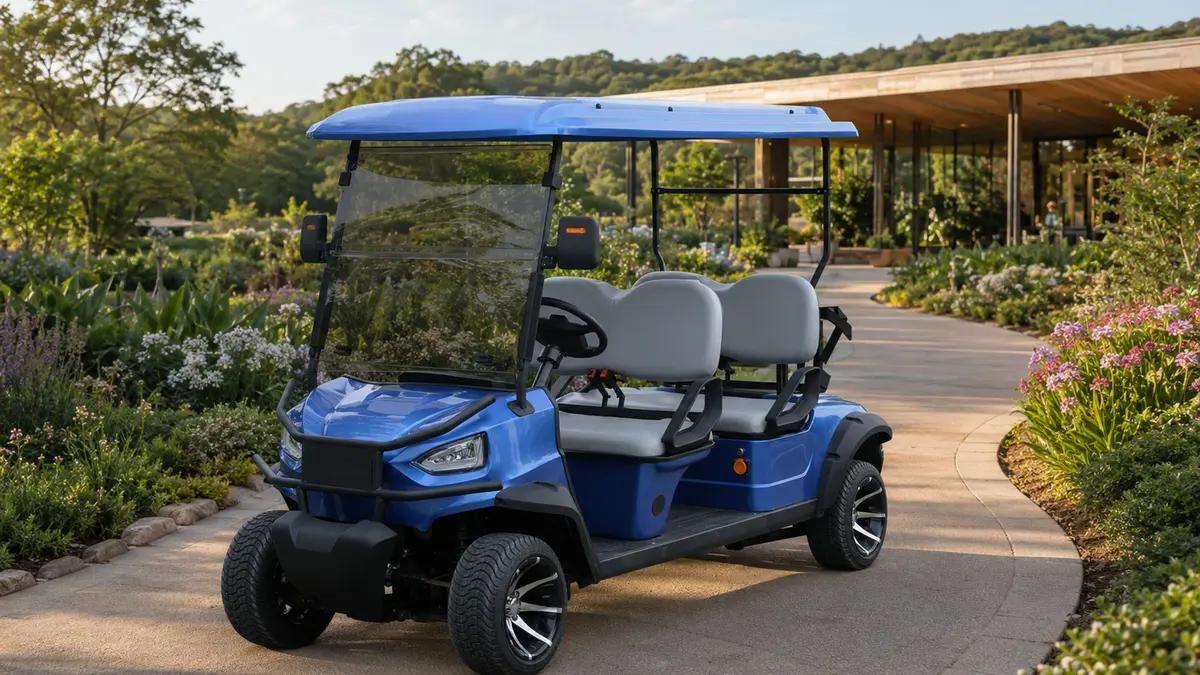 Botanical Garden TransportGolf Course MobilityCoastal Resort Shuttle
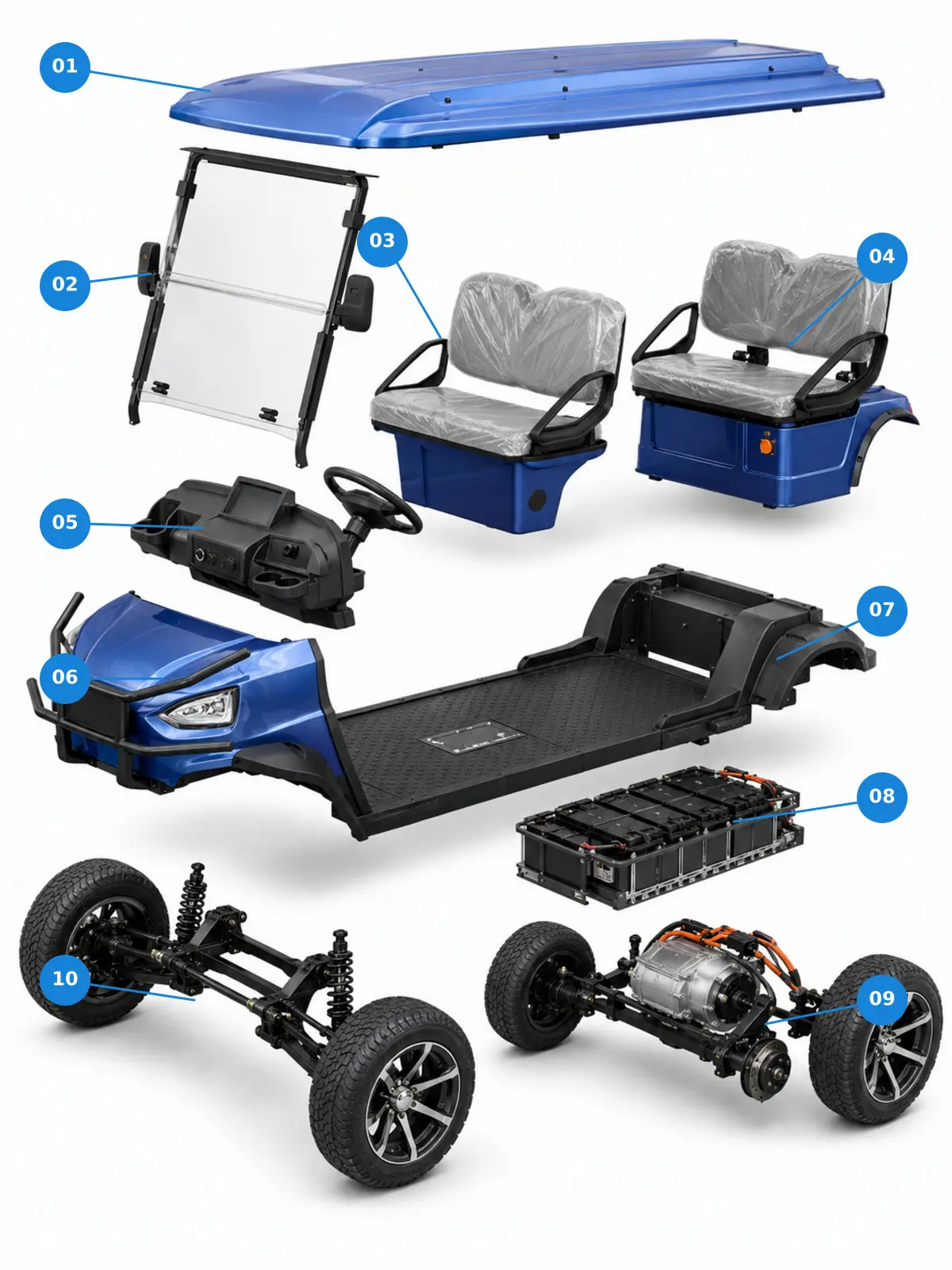
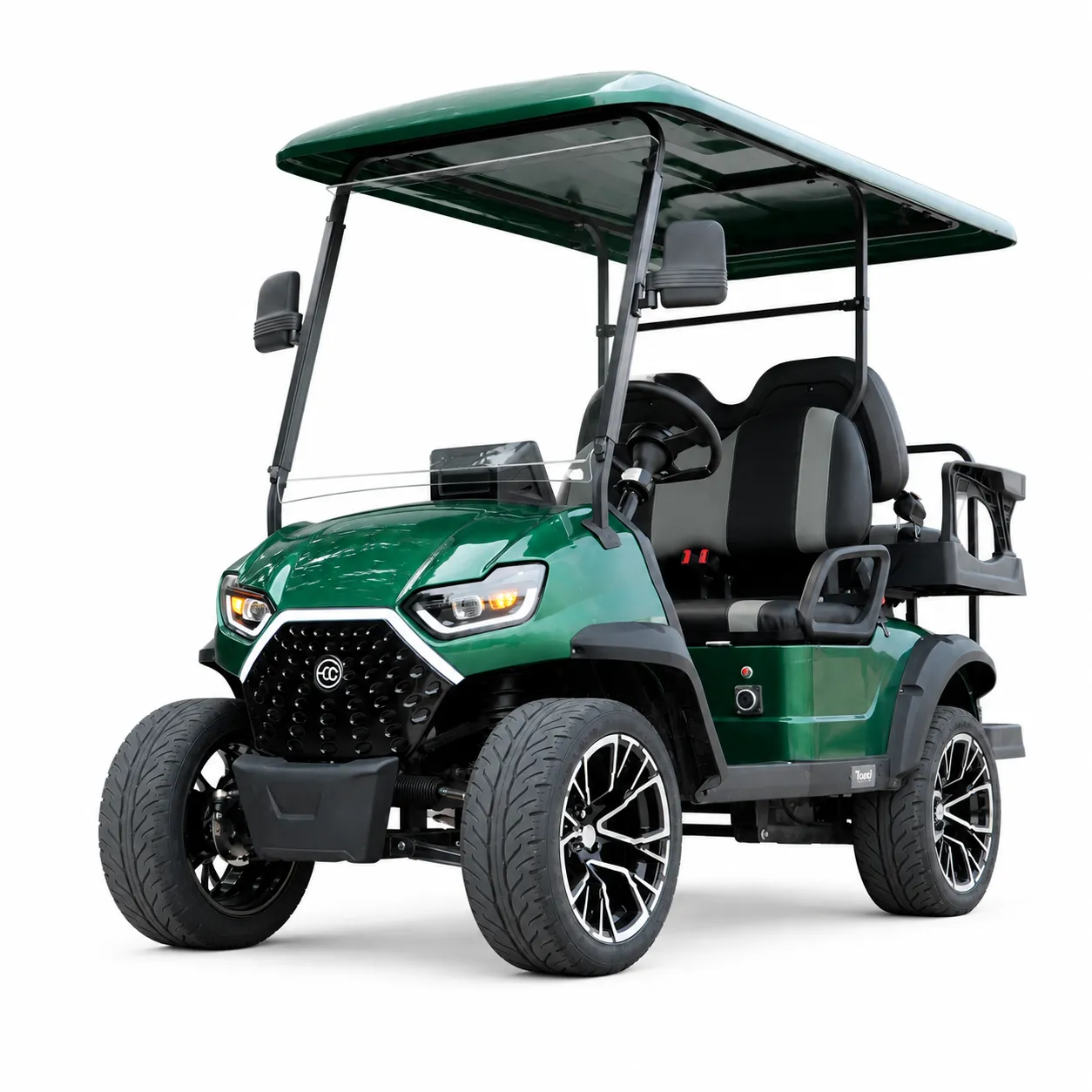
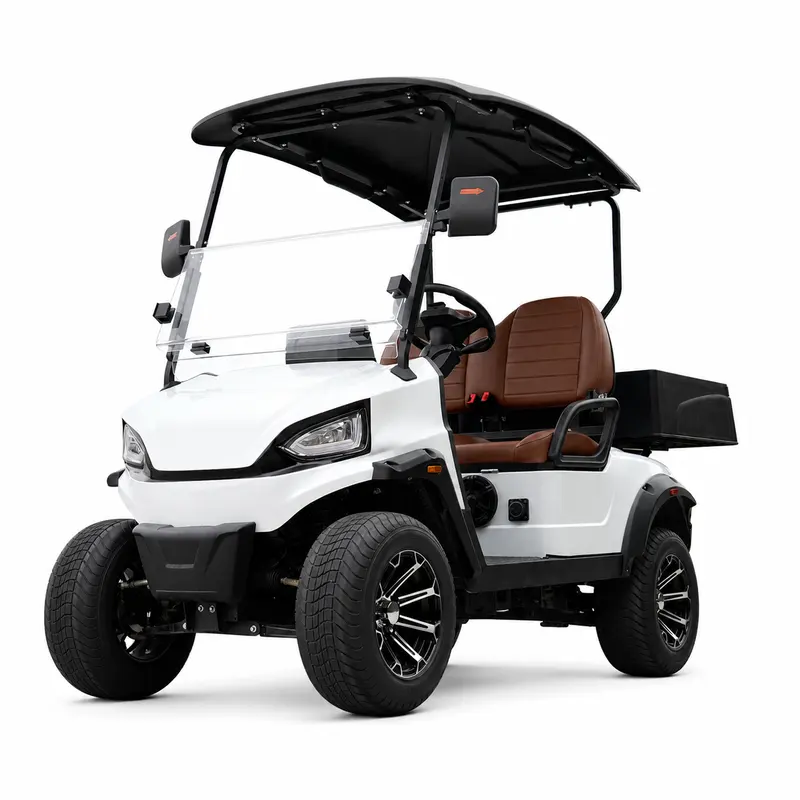
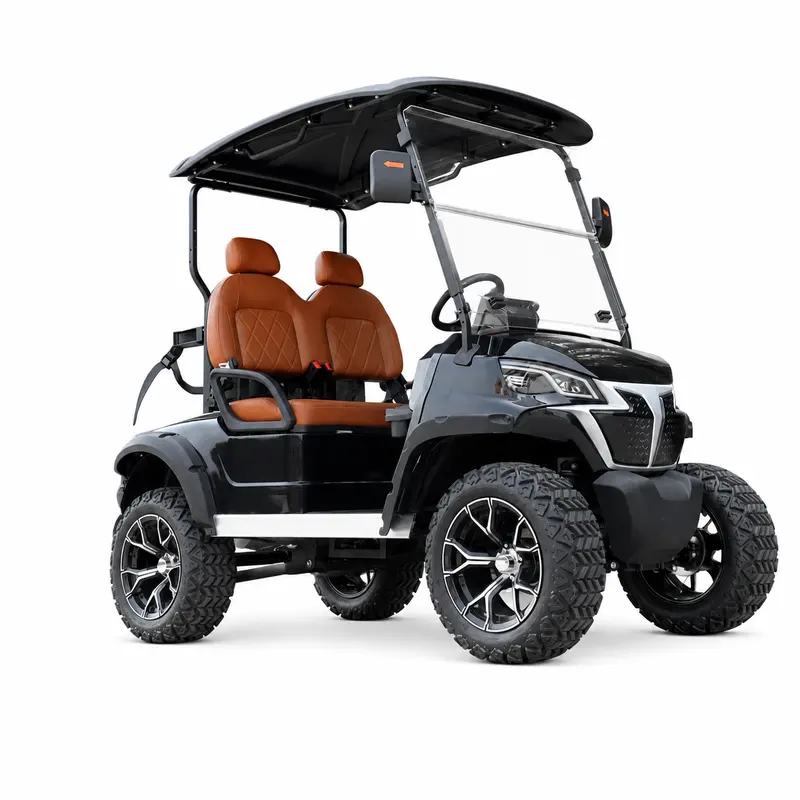
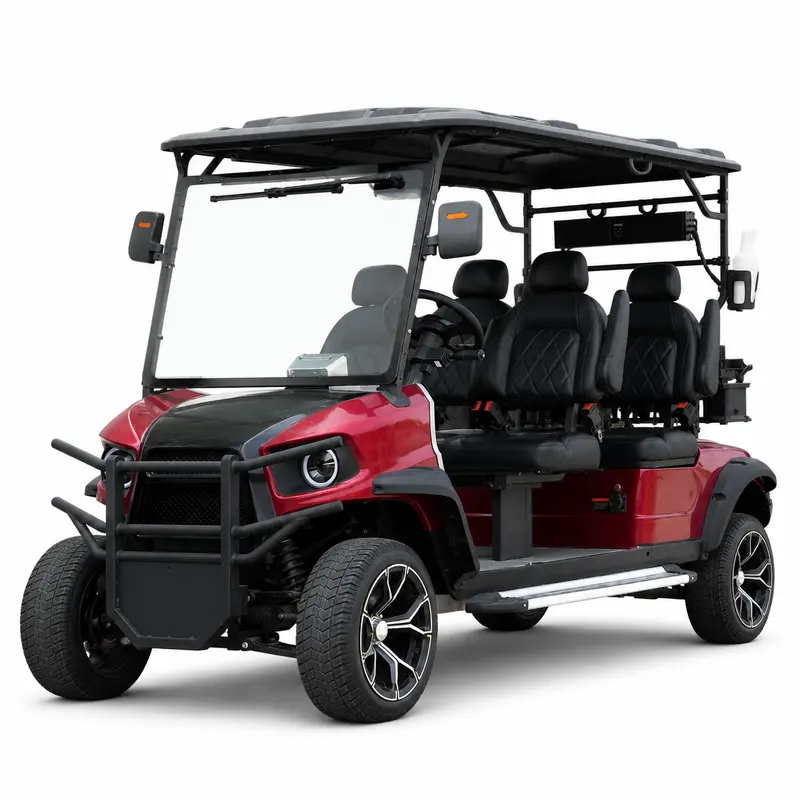
Covers two rows of forward-facing seats.
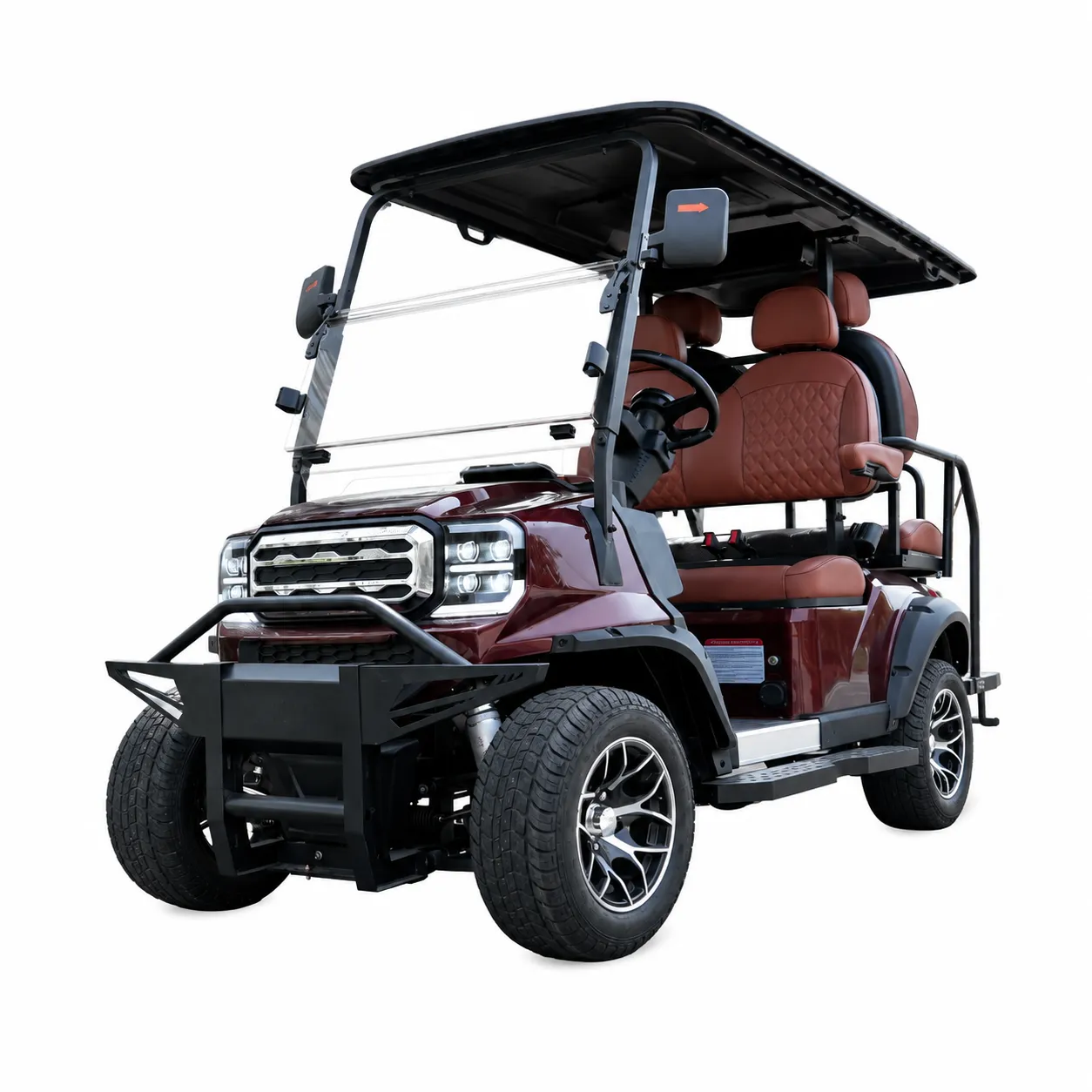
A transparent windshield and A- pillars provide both an unobstructed view and protection from the elements.
Long, contoured front-row seats conform to the body, providing comfortable seating for both the driver and passengers.
The second row features forward-facing bench seating, increasing the passenger capacity to four.
Integrates steering, digital information display, control buttons, and storage space.
One-piece front body with integrated headlights and a protective bumper, offering an aesthetically pleasing design.
A structural platform that connects the crew compartment to the operational components.
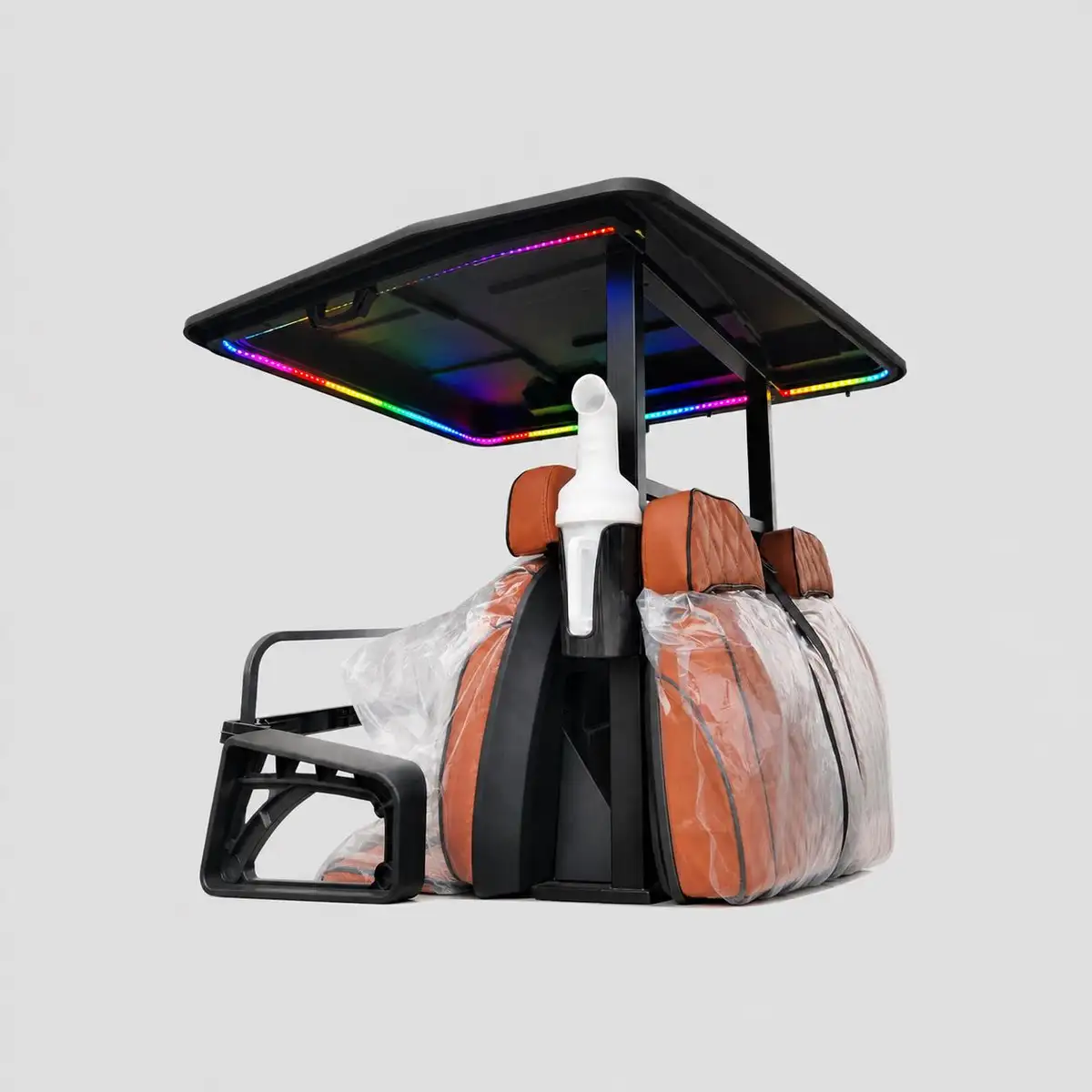
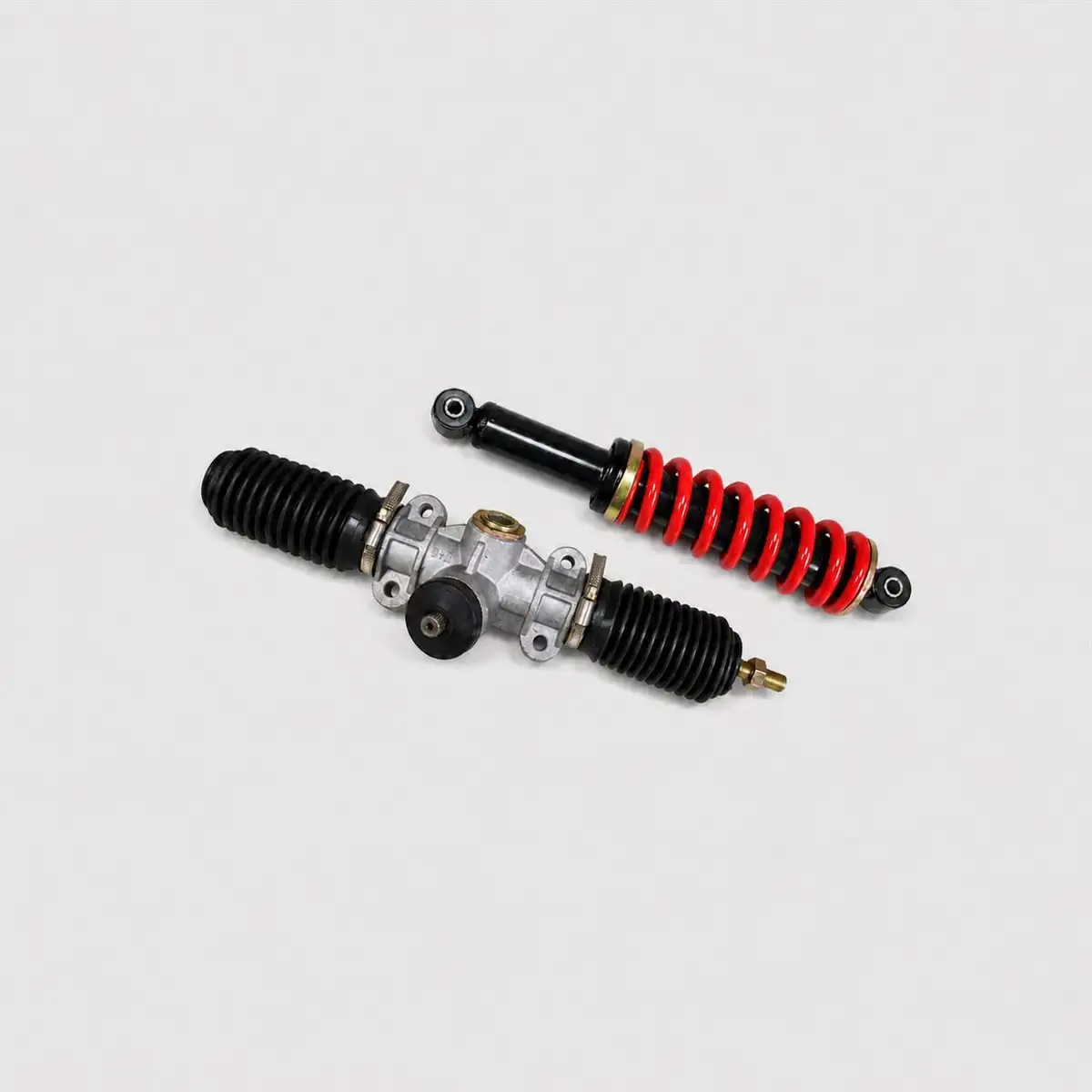
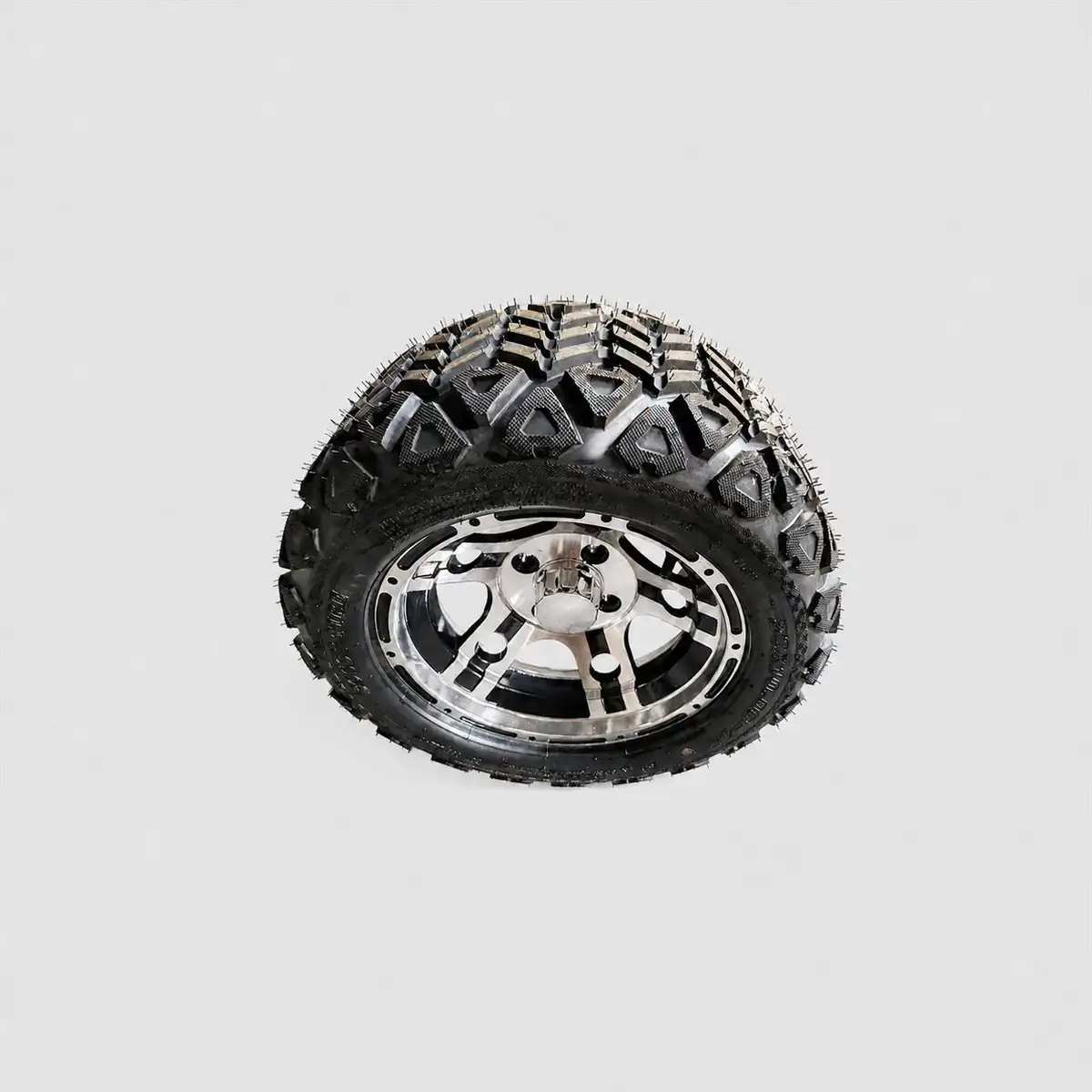
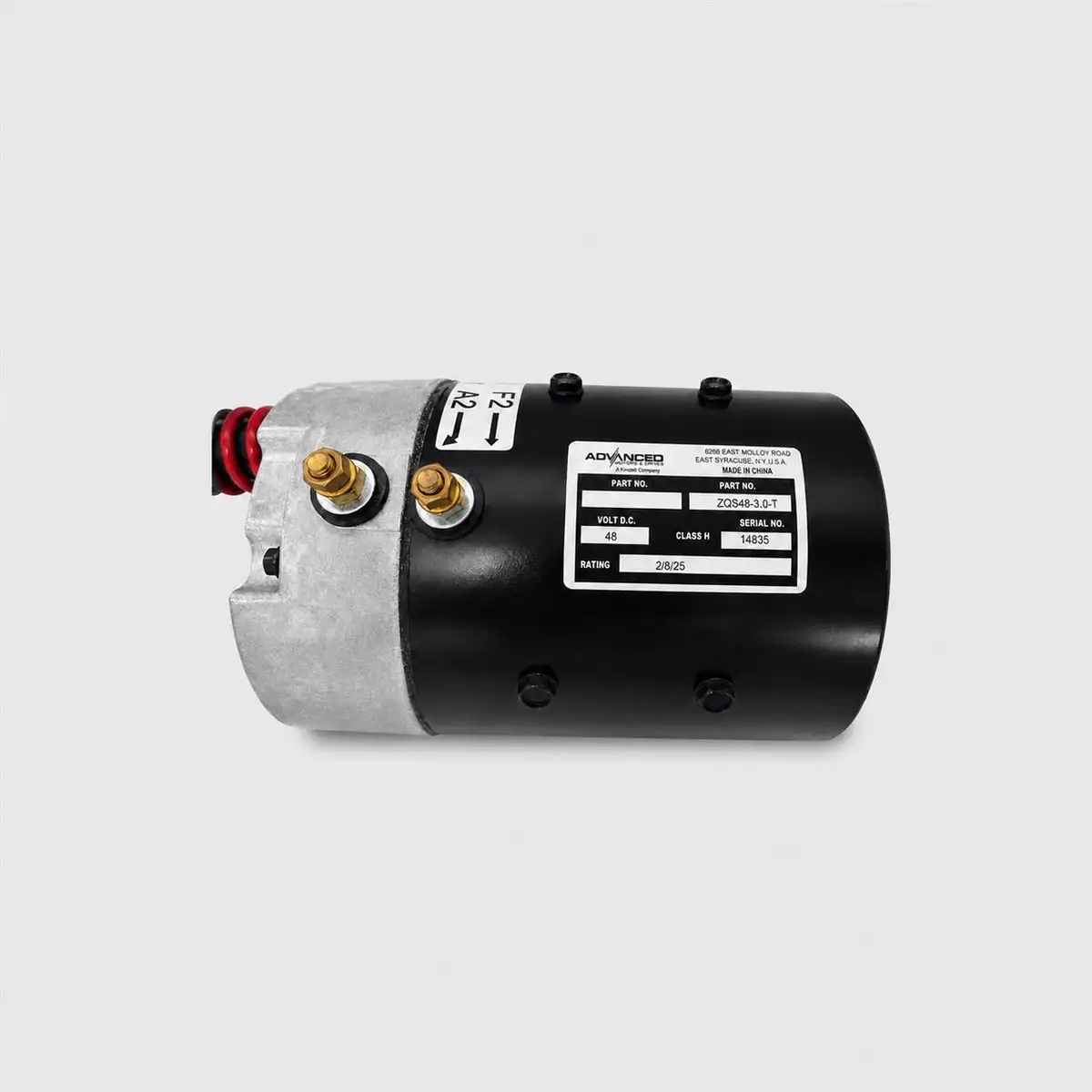
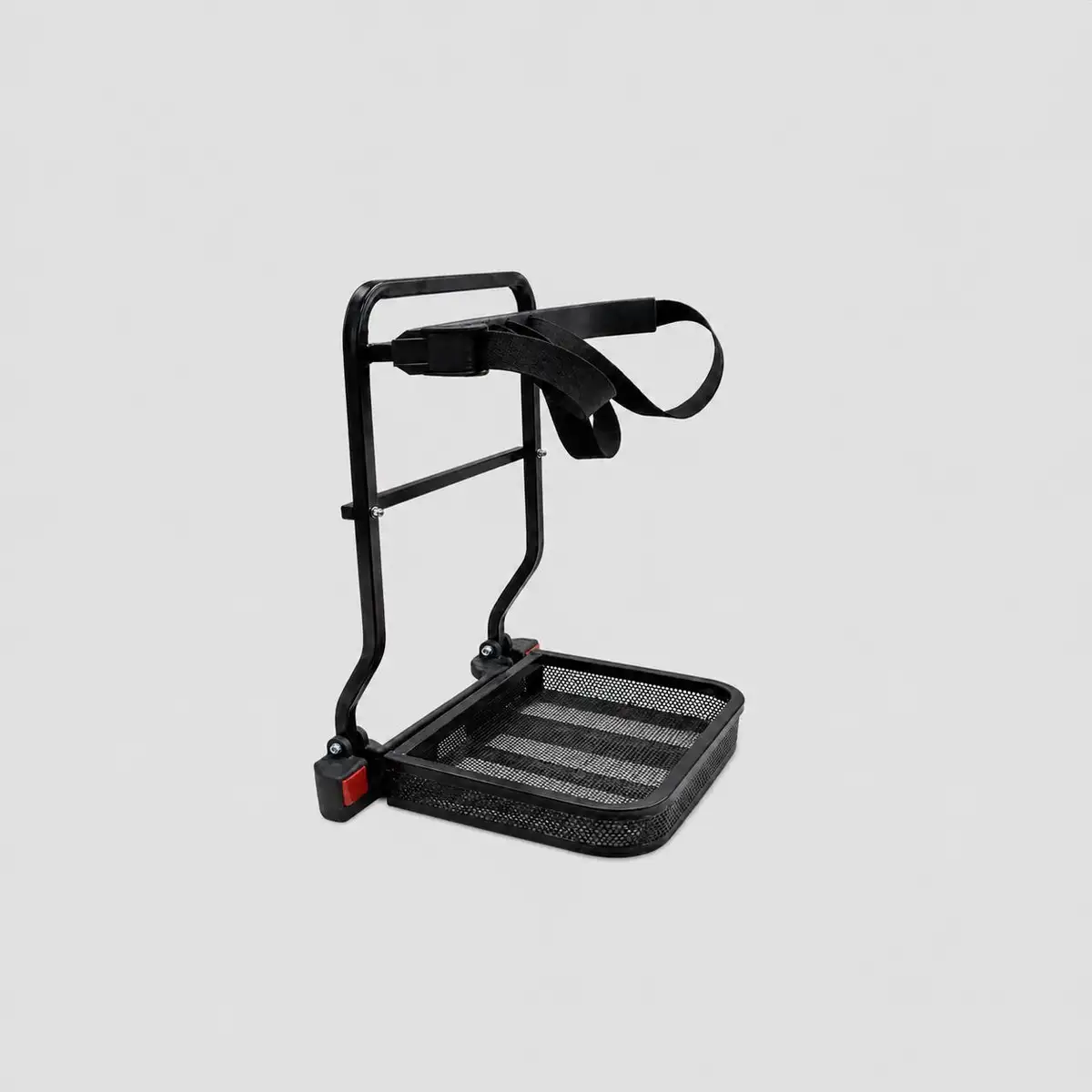
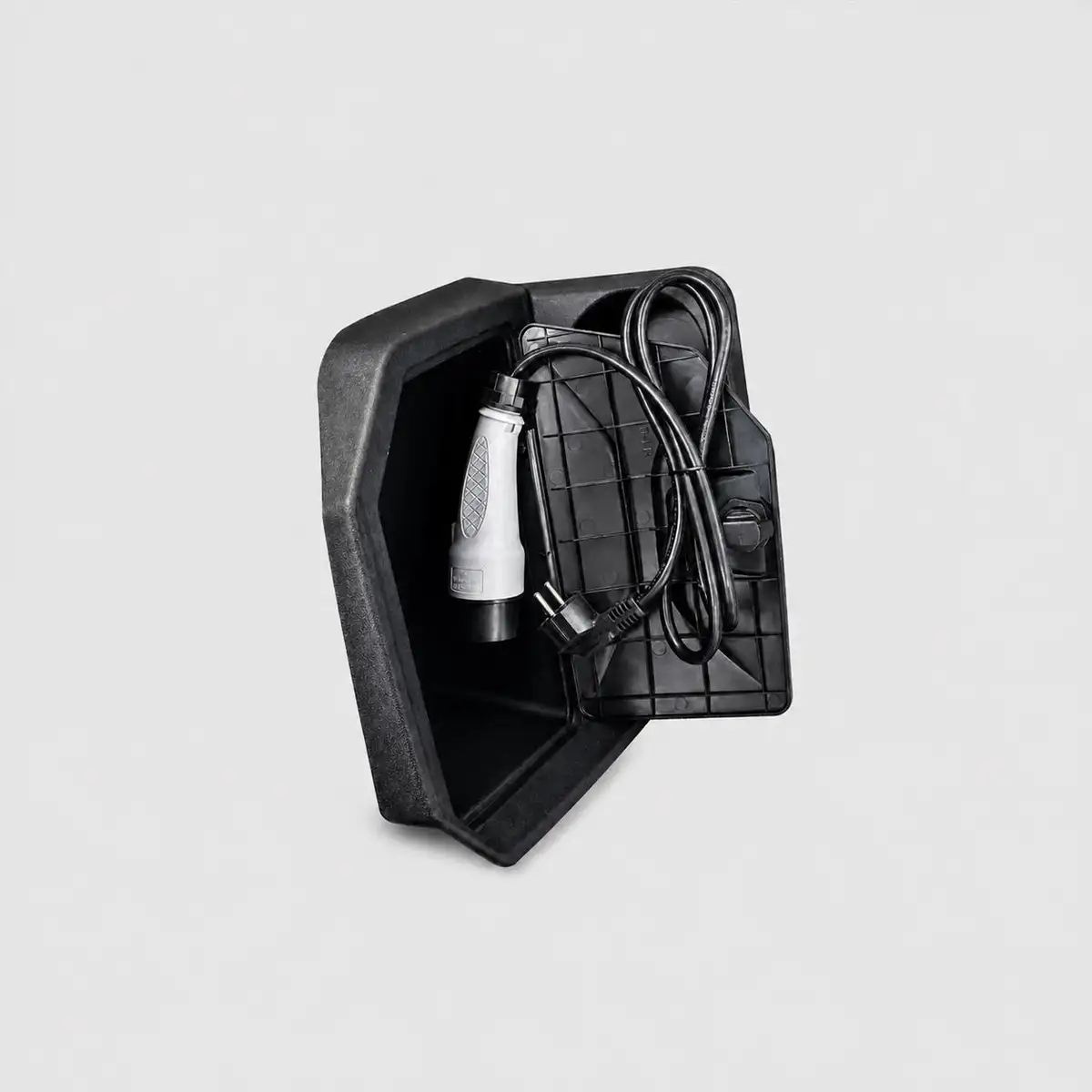
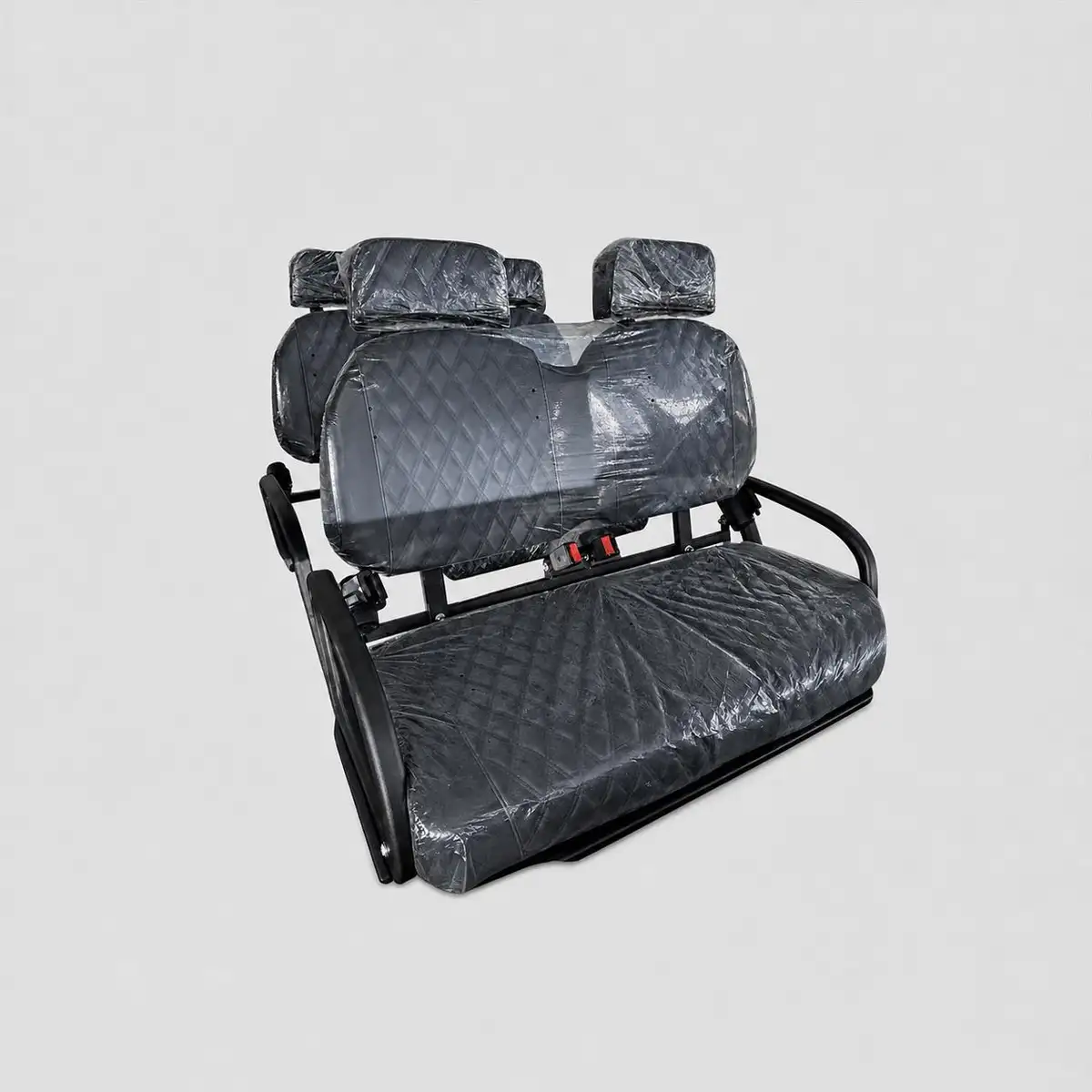
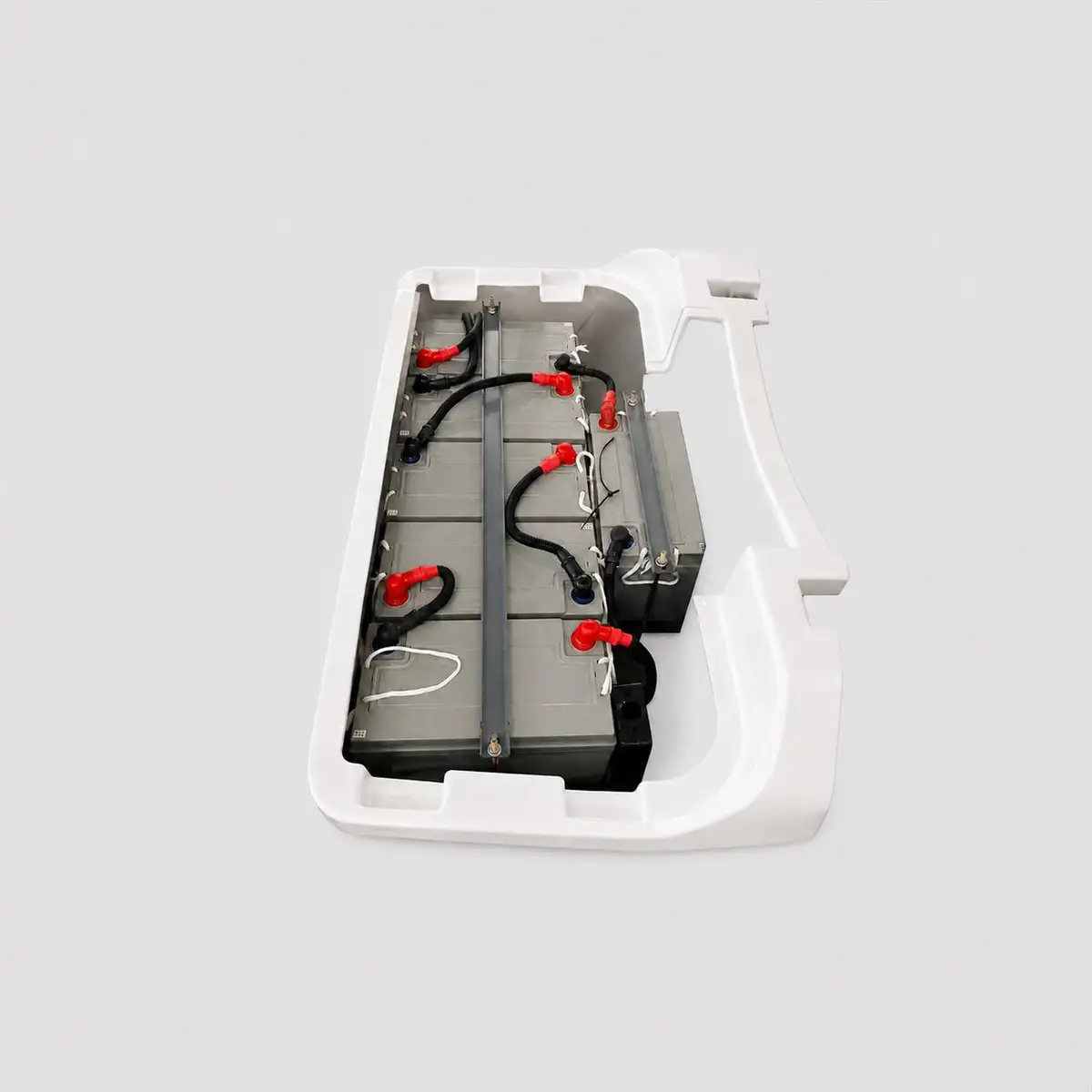
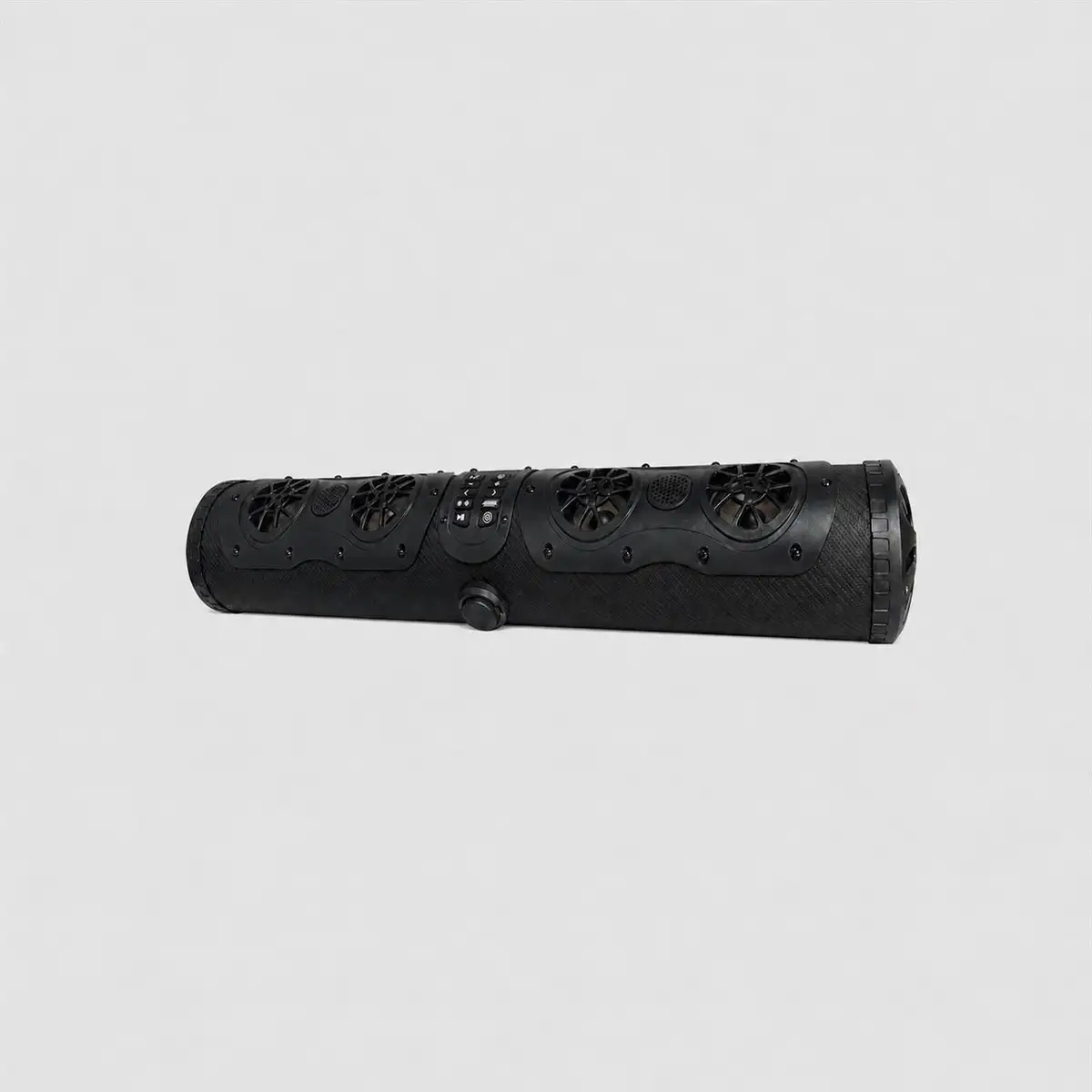
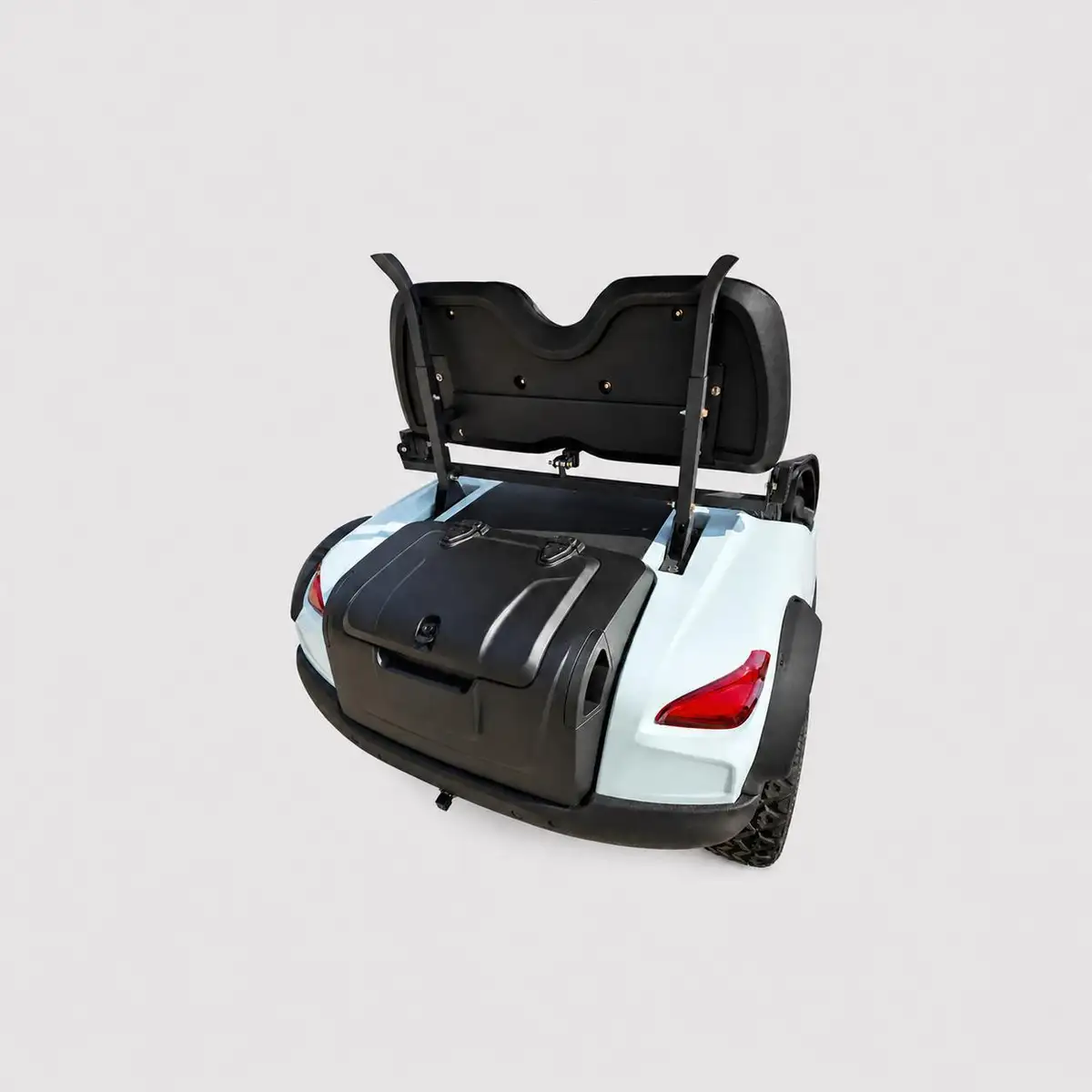
Professional protective packaging for golf carts, all parts are fixed tightly to avoid bumps during overseas shipping.
01:24Professional protective packaging for golf carts, all parts are fixed tightly to avoid bumps during overseas shipping.
01:24Golf carts are fully wrapped and tightly fastened, well protected to arrive intact for overseas customers.
03:37Follow these simple steps to assemble the golf cart. Clear procedures help you finish installation quickly.
Real on-site records from our factory, offering a practical view of our production capability and delivery readiness.
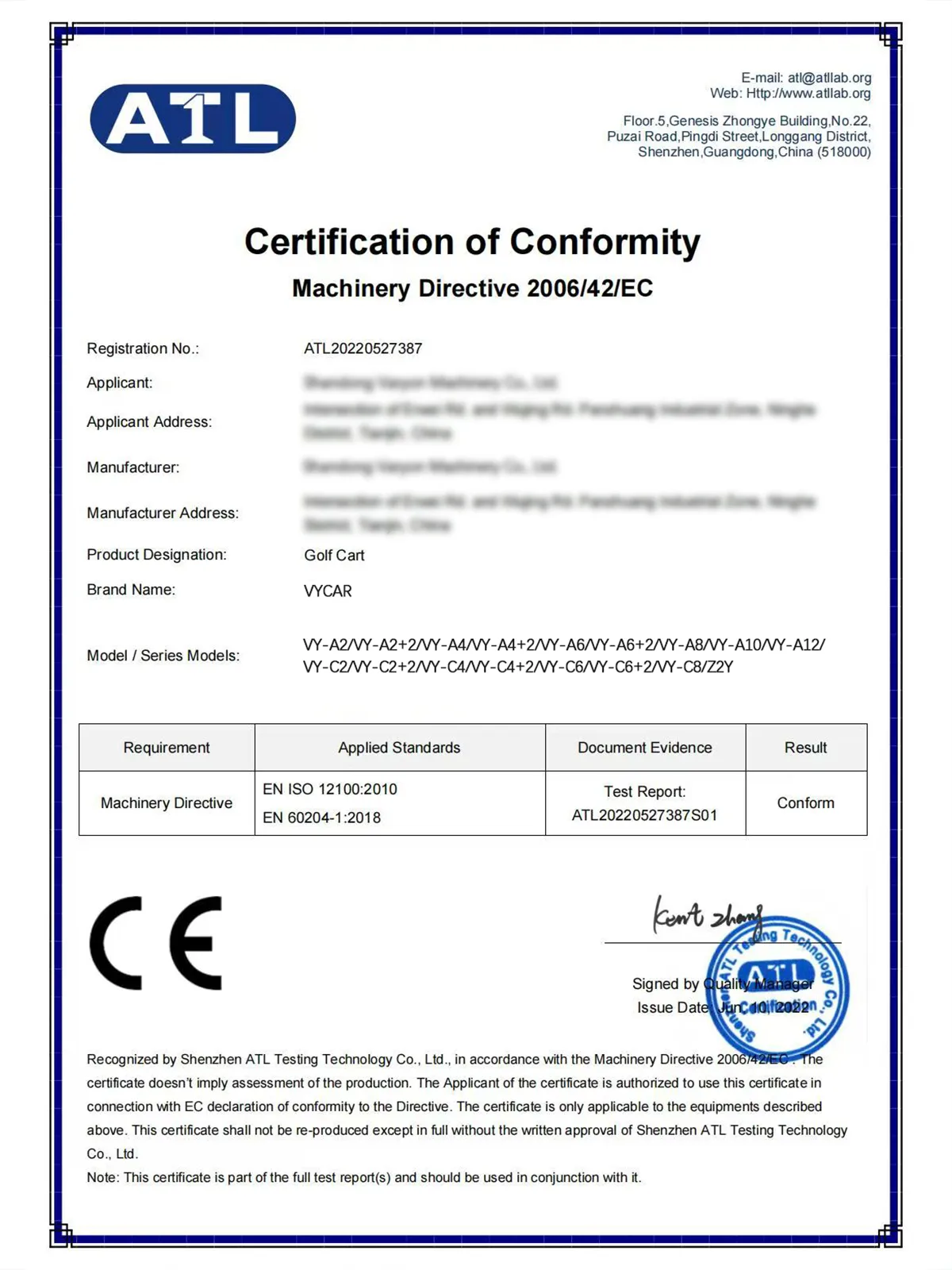
Qualification Documents
Our team is ready to advise you on the best product configuration and procurement plan.
info@eascoutia.com400 158 58991. It is commonly used for industrial parks, logistics routes, worksites and managed fleet operations, subject to the selected model and site conditions.
2. Match payload, dimensions, axle or tire specification, powertrain, route and regulatory requirements to the actual workload and operating environment.
3. Confirm model, color, payload, axle or tire specification and optional equipment, then verify the response time and any special requirements.
4. Prepare delivery inspection, approved registration where applicable and scheduled tire, brake and fluid checks; follow the manual for operation, inspection and routine maintenance.
 Simplified explanation