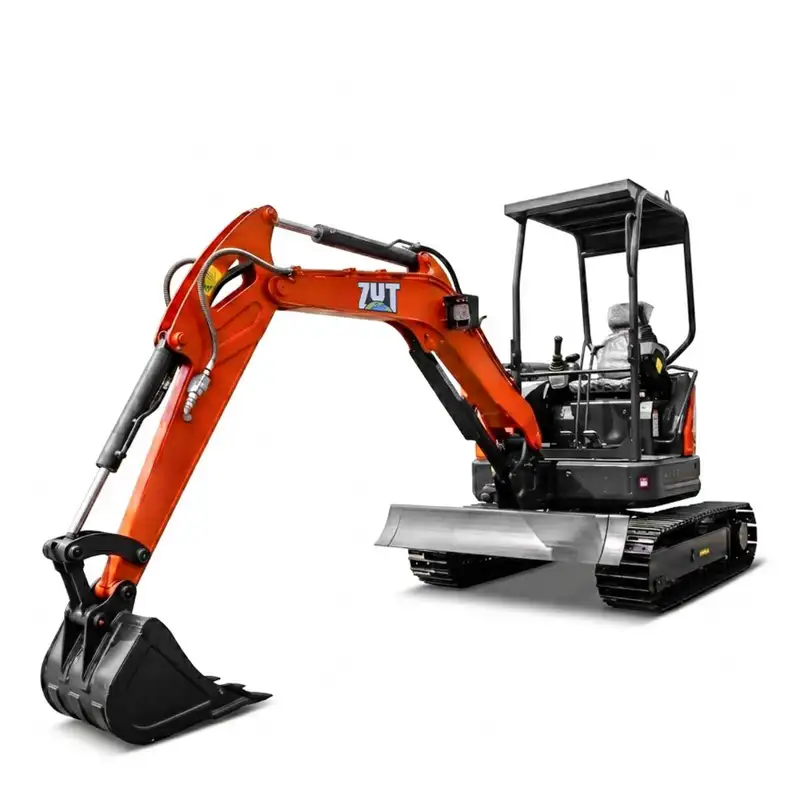
The canopy roof and support frame form one verified overhead protection assembly above the operator position.
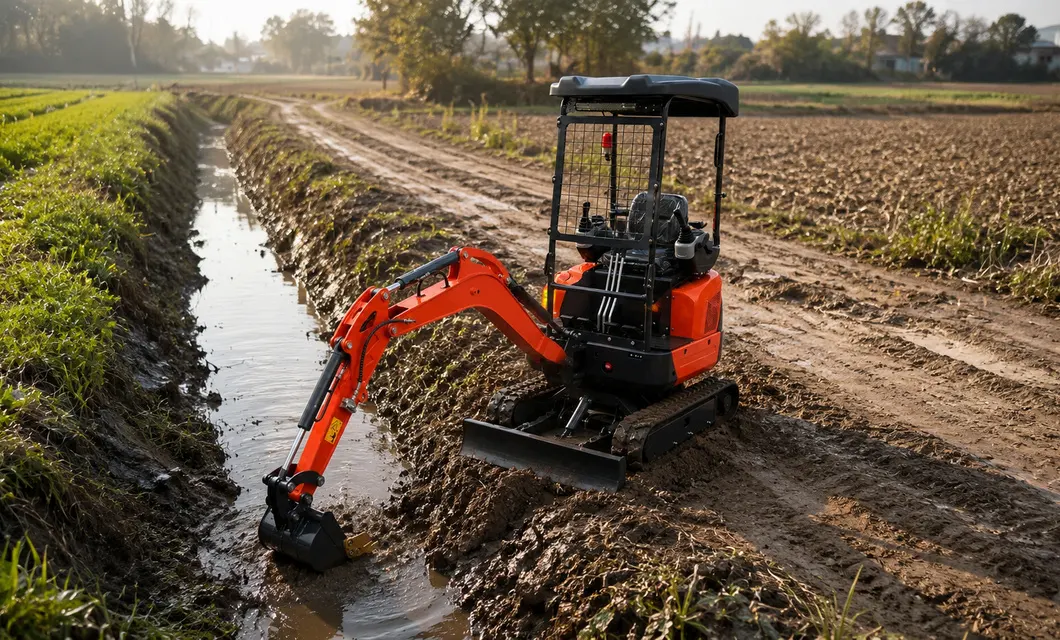 Field Drainage Work - Field Drainage Ditch Formation


Controlled excavation in compact outdoor areas
The application views show foundation-edge excavation, material removal beside new construction, field-drainage ditch formation and precise garden soil shaping. The compact crawler base and front blade create a practical working stance while the articulated arm directs the bucket along clearly defined work boundaries.
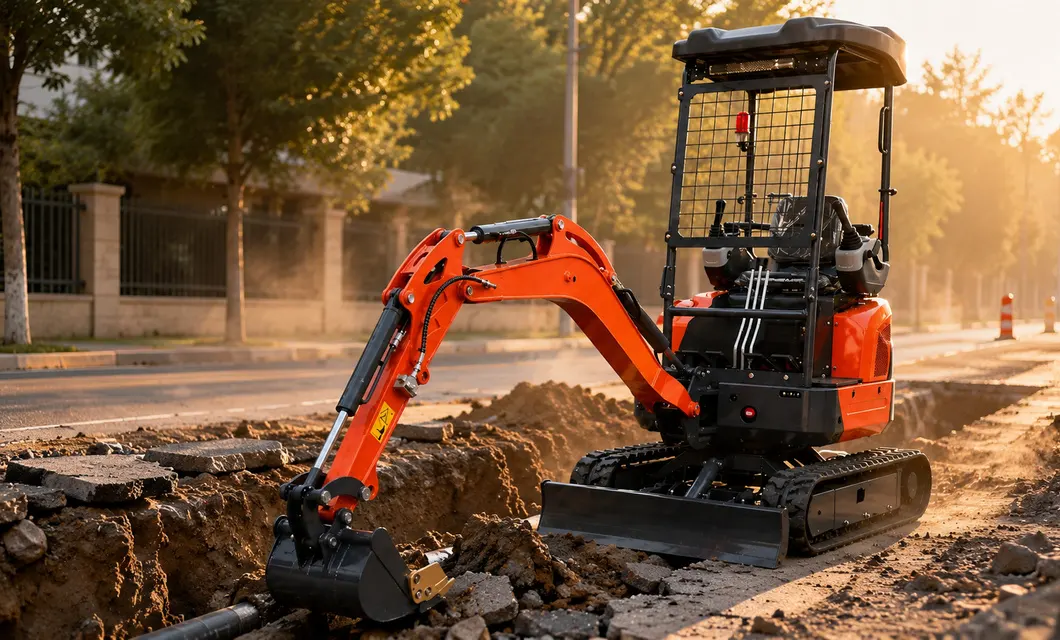 Foundation Edge Work - Controlled Foundation Edge Excavation
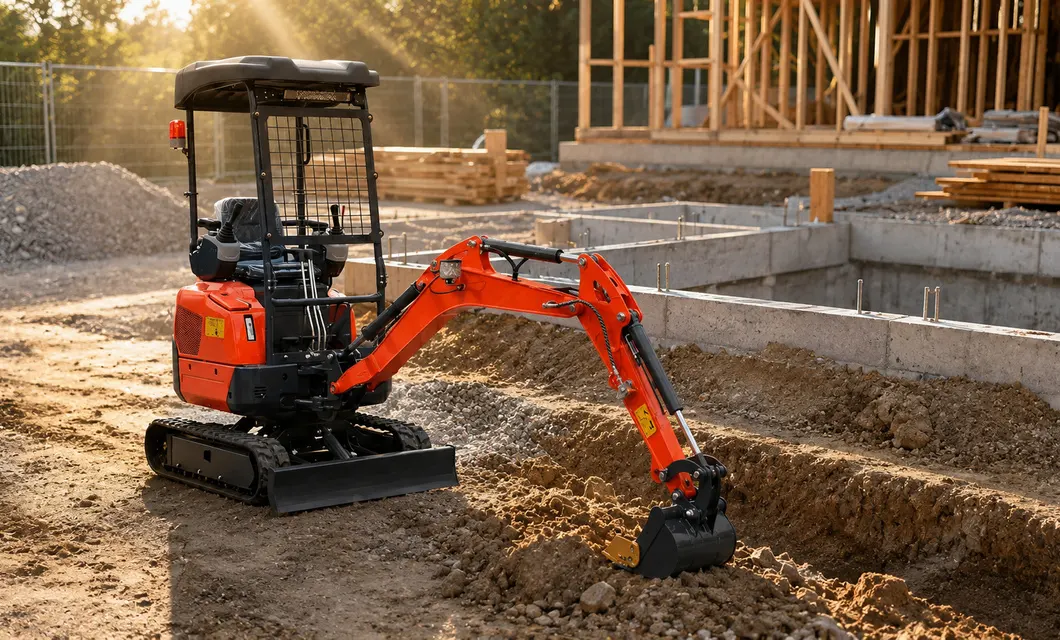 Construction Soil Work - Material Removal Beside New WorksField Drainage Work - Field Drainage Ditch Formation
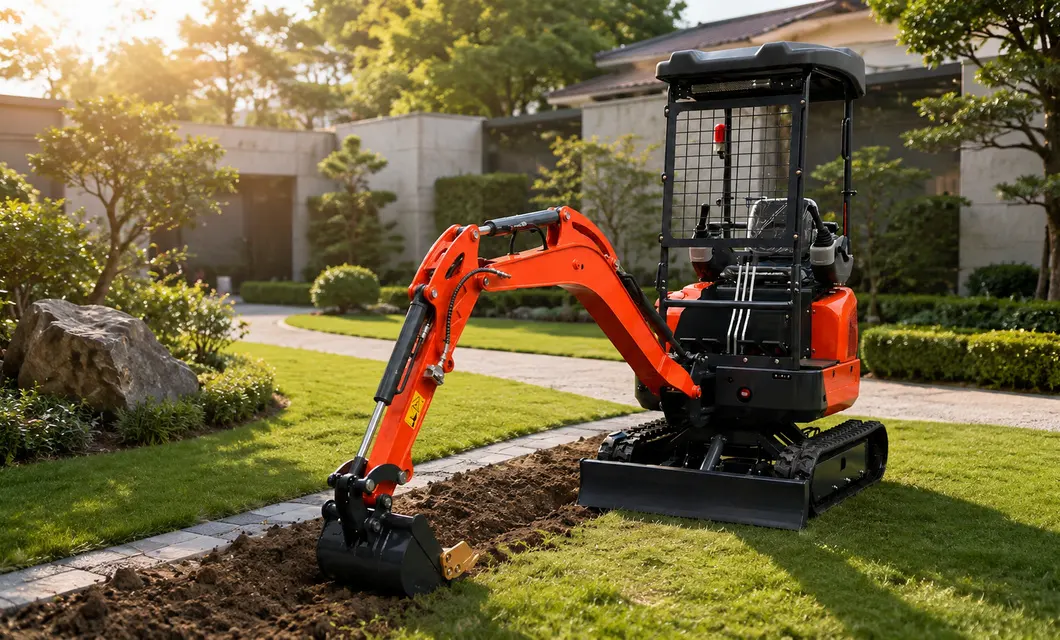 Garden Shaping Work - Precise Garden Soil ShapingFoundation Edge Work - Controlled Foundation Edge ExcavationConstruction Soil Work - Material Removal Beside New Works
Guarded Working Position
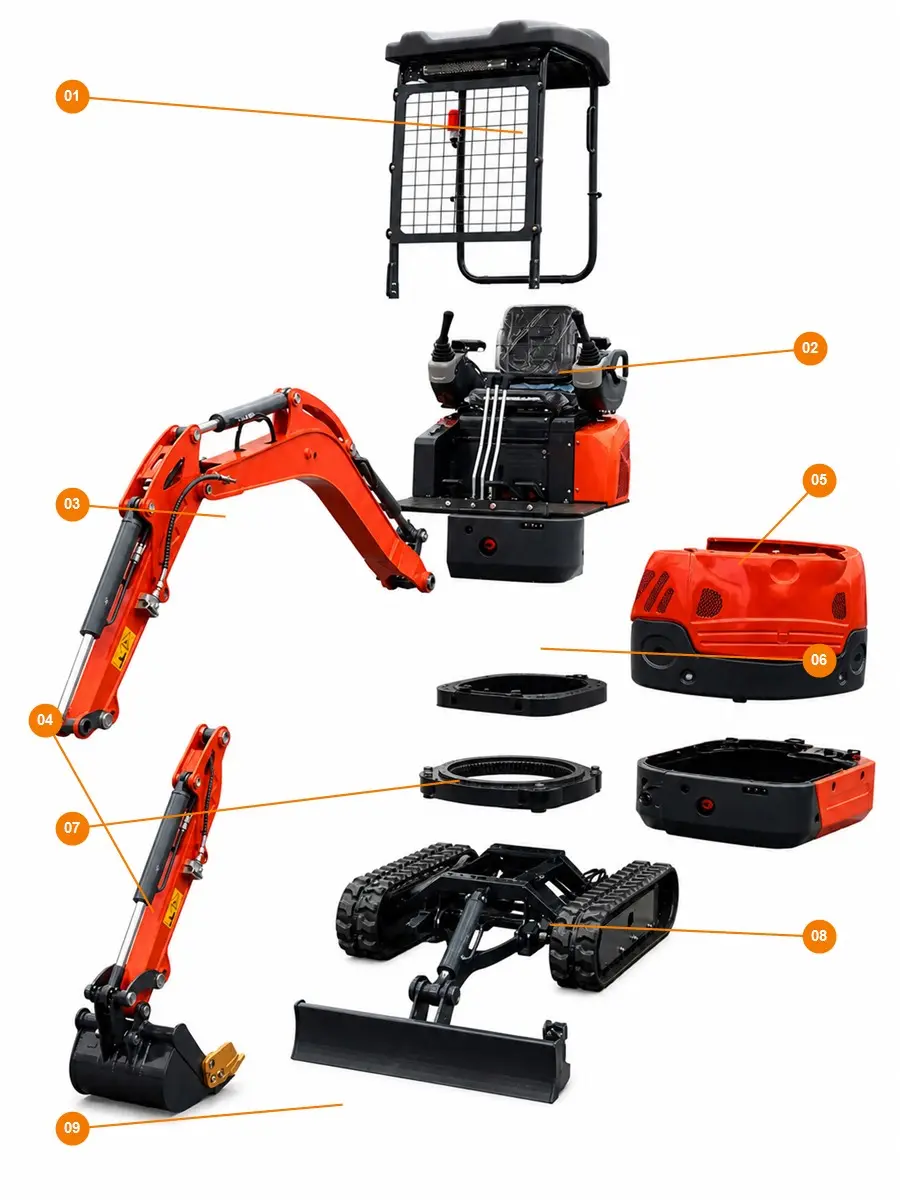
The canopy roof and support frame form one verified overhead protection assembly above the operator position.
The seat, control levers and console remain one mounted operating assembly for direct machine control.
The boom carries its verified hydraulic cylinder and hose routing from the upper-body pivot to the wrist joint.
The dipper arm, linkage and digging bucket work as one connected assembly at the boom outer pivot.
The rear cover encloses the cooling and engine service area and keeps the exterior body profile complete.
This housing forms the upper mounting structure and supports the operator station and working equipment.
The slewing ring joins the upper structure to the travel frame and enables controlled horizontal rotation.


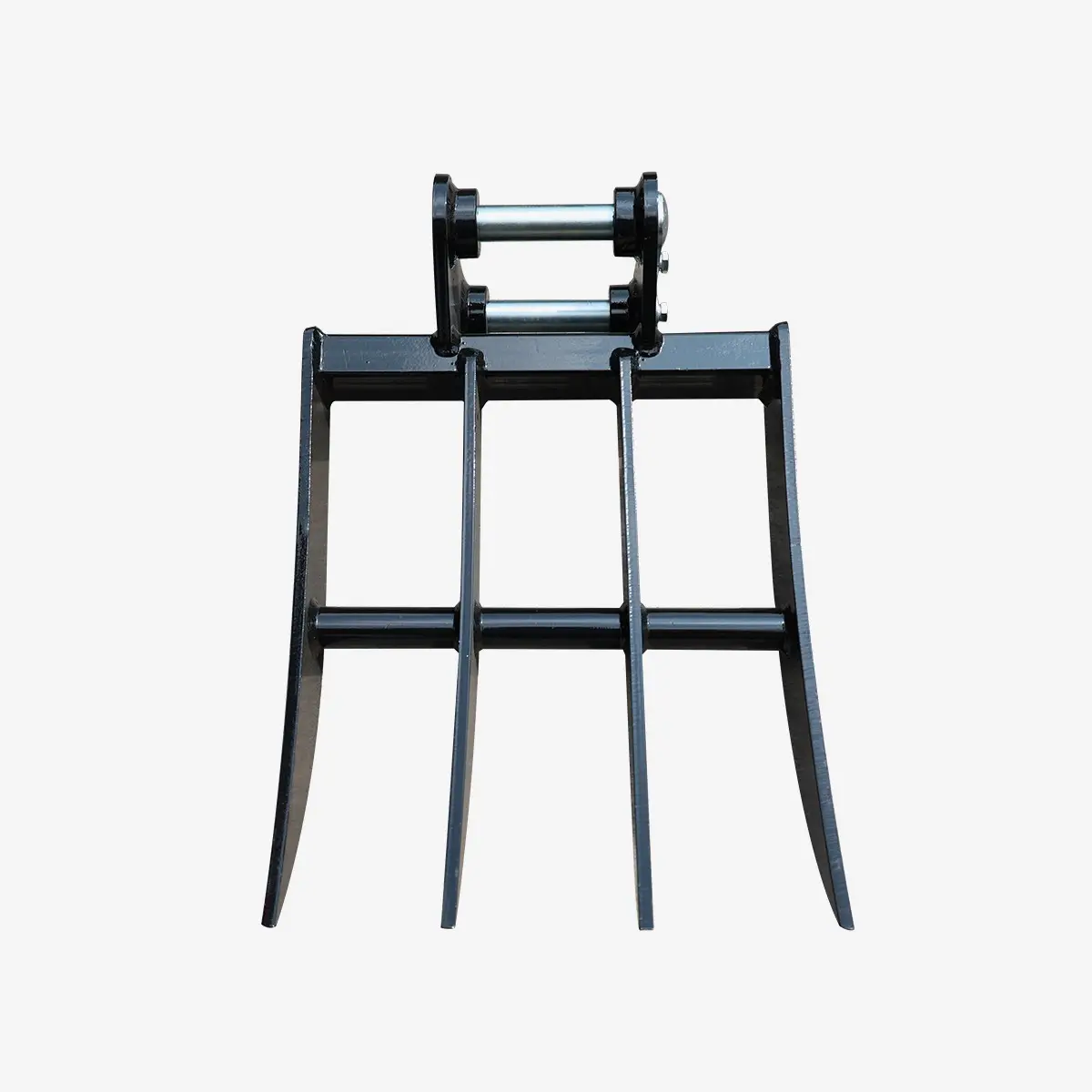

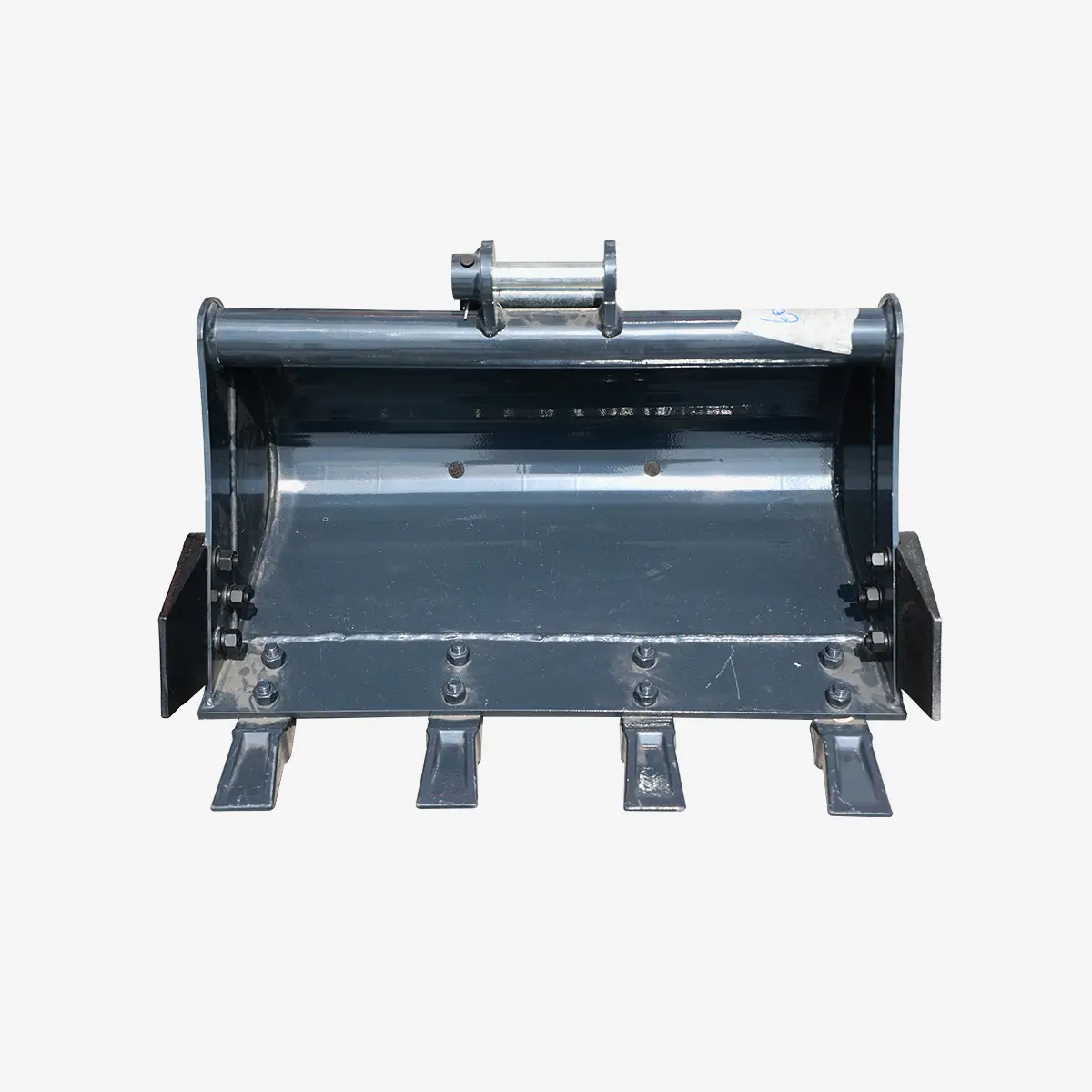

An appearance showcase of the 18U excavator. Close-up views of the exterior, undercarriage, working attachment, and cab—so you can quickly see the overall look, build details, and model highlights. Model: 18U.
01:10An appearance showcase of the 18U excavator. Close-up views of the exterior, undercarriage, working attachment, and cab—so you can quickly see the overall look, build details, and model highlights. Model: 18U.
01:07How to operate the 18U excavator. From power-on and controls to travel, swing, and bucket work, this walkthrough covers the full everyday workflow so you can quickly see how to get started and what matters in real use. Model: 18U.
01:00An on-site digging test of the 18U excavator. Watch bucket digging, swing unloading, and continuous cycles under real conditions—so you can see digging efficiency and handling performance in actual work. Model: 18U.
00:39A real look at excavator packaging and shipping. From protective wrapping and securing for transport to outbound prep, this video covers the packing and logistics steps before the machine leaves the factory.
We centrally purchase equipment, test the data and the machine, then publish the models that clear our review. You get a shorter path from "could work" to a quote your team can act on.
Our team is ready to advise you on the best product configuration and procurement plan.
info@eascoutia.com400 158 5899The supplied scenes demonstrate compact outdoor work near foundations, new works, drainage lines and landscaped ground where an excavation boundary can be controlled.
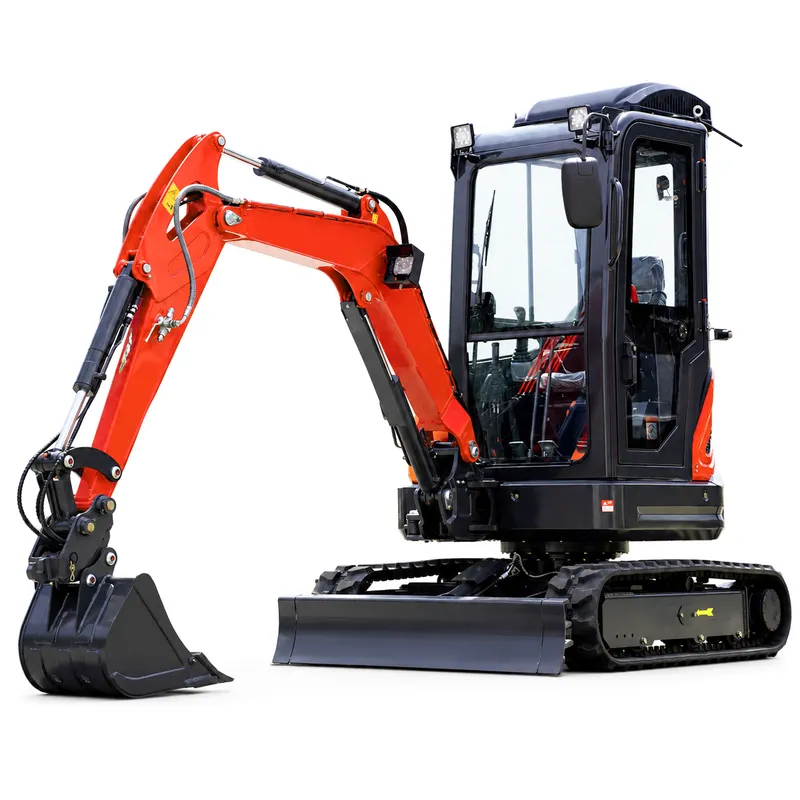
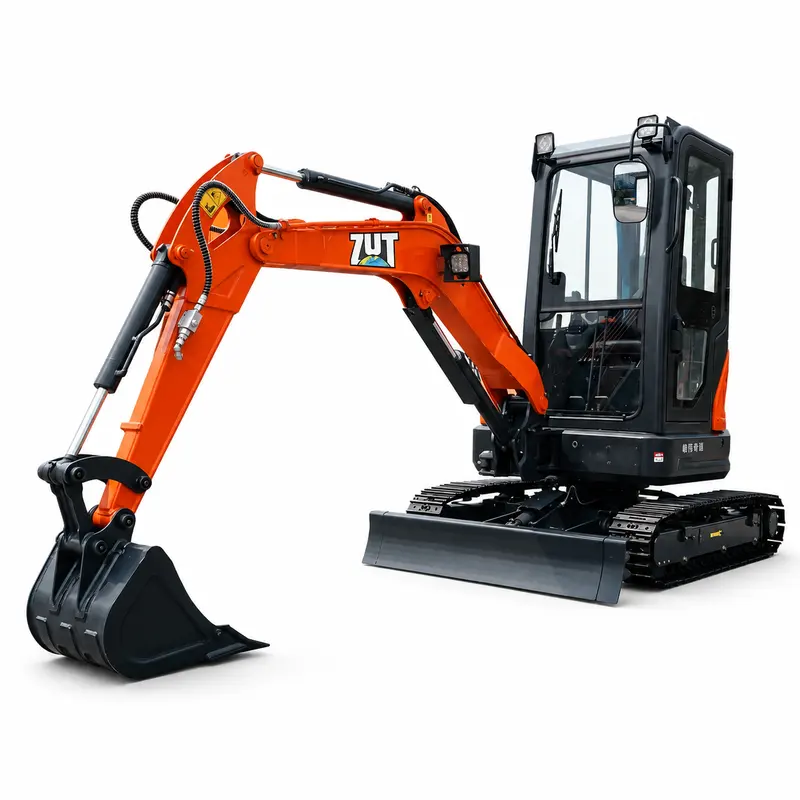
The paired crawler tracks and front blade form the visible ground-support layout while the boom, dipper and bucket carry out the local digging motion.
The upper body connects to a visible boom, dipper, bucket and hydraulic cylinders, creating an articulated working path from the machine to the soil edge.
The open guarded station, levers, tank caps, engine compartment, warning light and hydraulic valve details can all be visually checked in the supplied images.
Mark the intended excavation edge, assess ground conditions and keep the immediate machine area clear before beginning controlled soil removal or shaping work.
 Simplified explanation
