It supports the internal components of the host and forms a stable protective enclosure, facilitating the installation of the motor, saw arbor, and wiring.
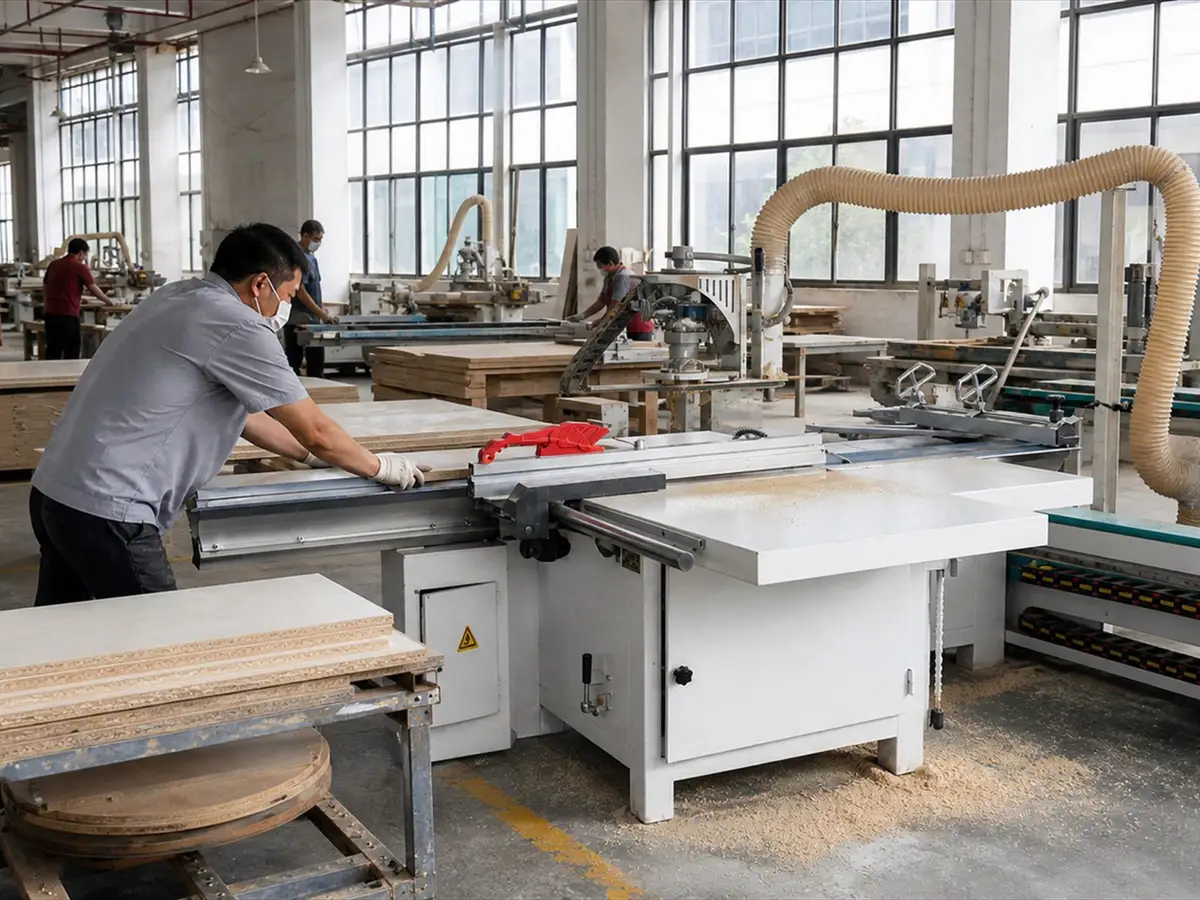 Batch panel cutting


Workshop Processing and Production-Line Use with I'm going to have to go to the top
I'm going to have to go to the top is suited to factories, fabrication shops, production cells and custom-processing workshops. It supports repeatable cutting, forming, marking, sealing, conveying or processing with defined materials and throughput. Before deployment, confirm material type, work size, capacity, accuracy, speed, control method, power and extraction needs.
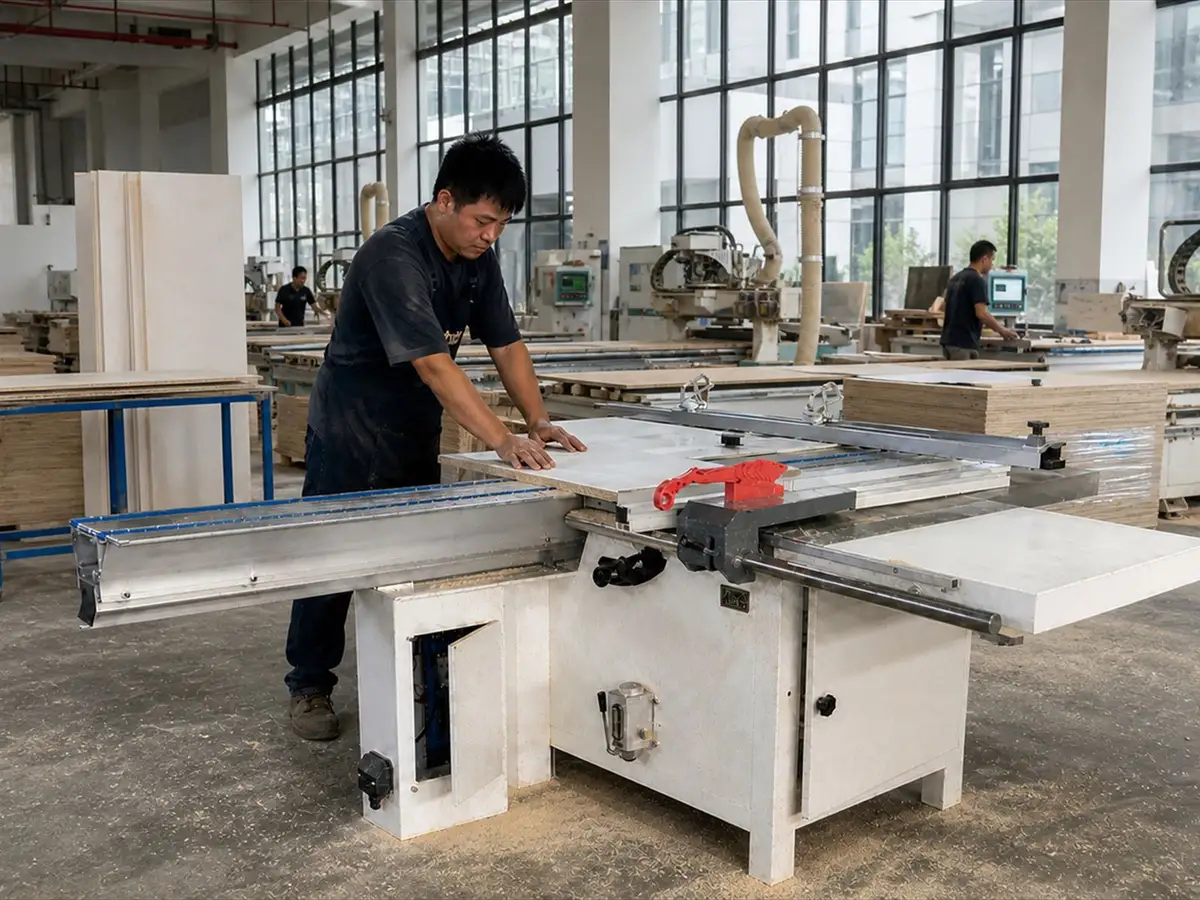 Sheet material cutting operations
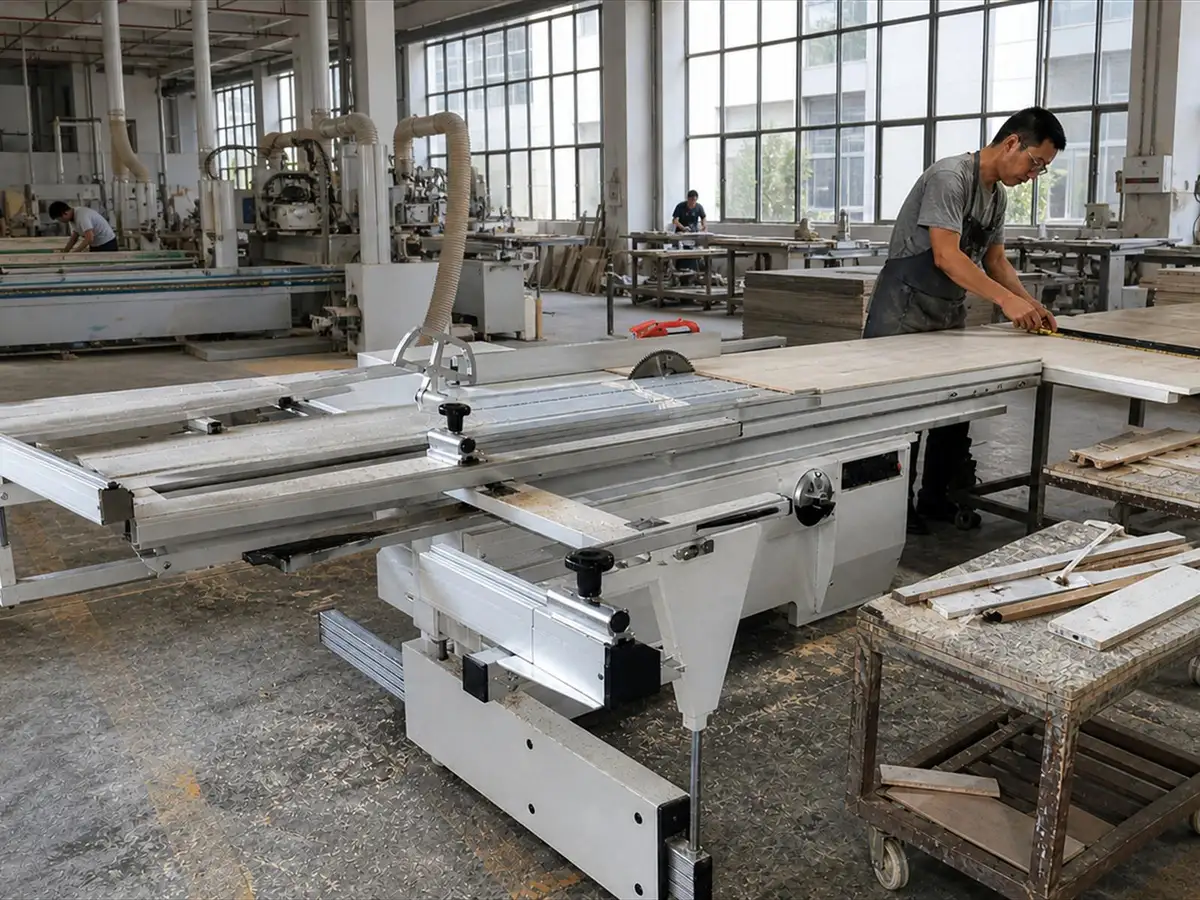 Cutting Dimension Verification
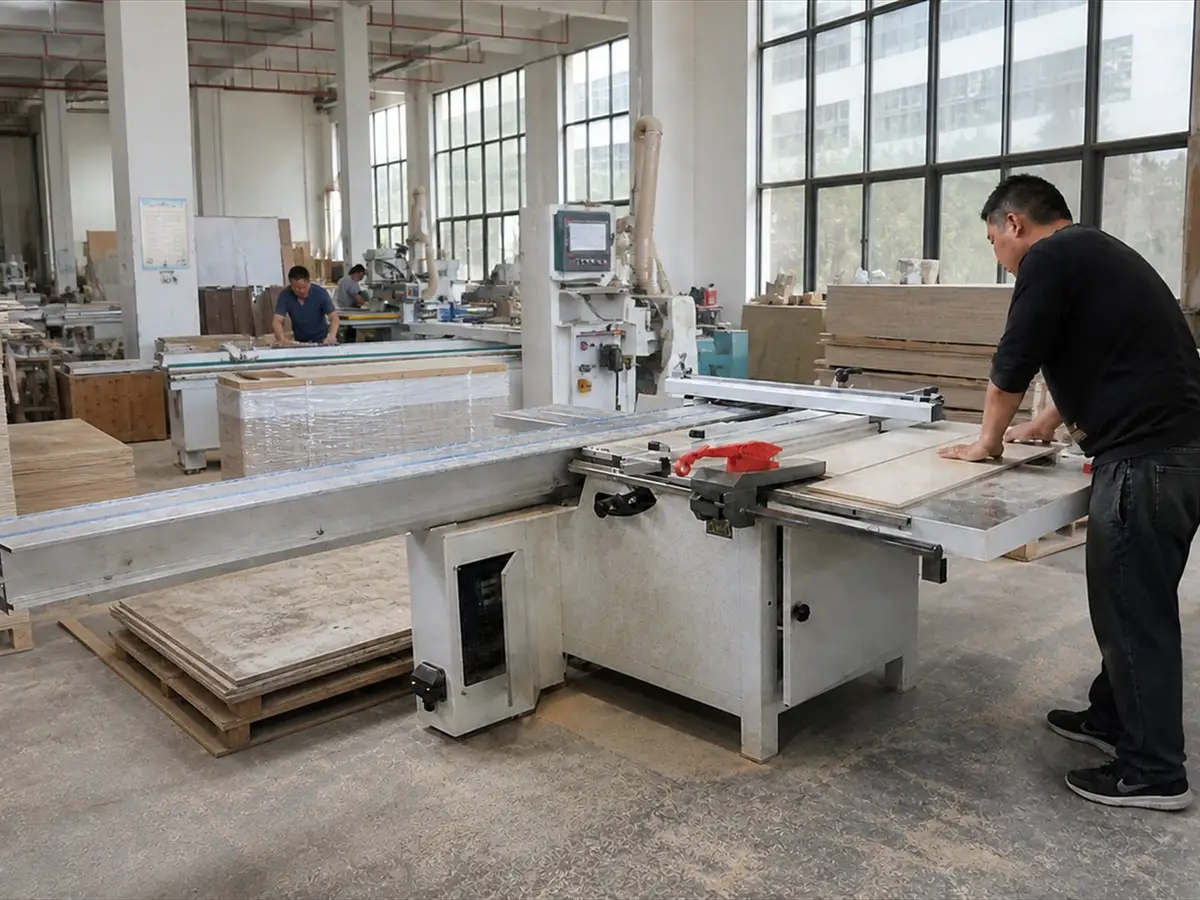 Precise cutting of cabinet panelsBatch panel cutting
 Narrow strip cutting operationSheet material cutting operationsCutting Dimension Verification
Instant blade start for fast, efficient cutting.
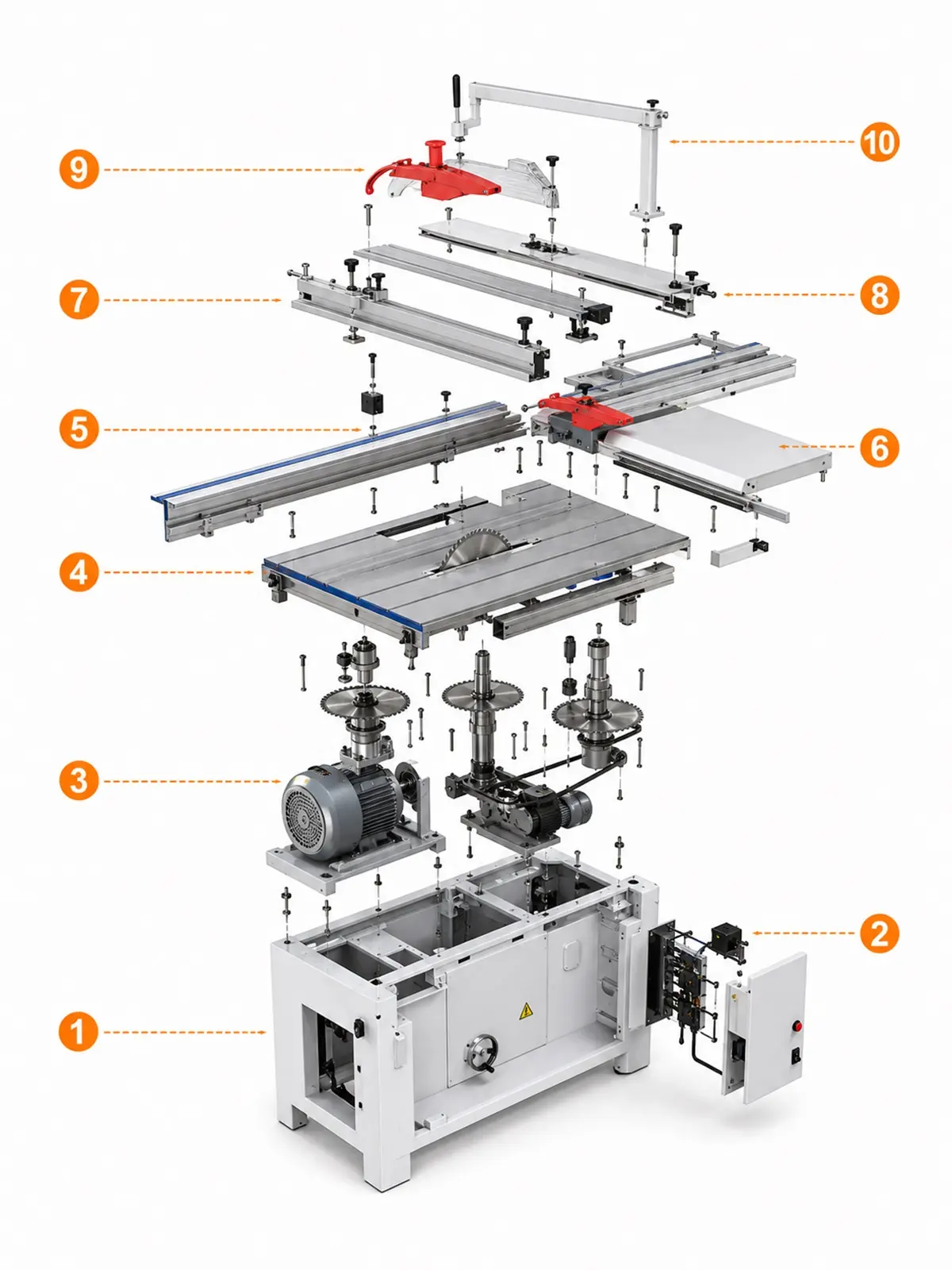
It supports the internal components of the host and forms a stable protective enclosure, facilitating the installation of the motor, saw arbor, and wiring.
Centralized management of equipment start-up, shutdown, adjustment, and safety control ensures that all processing units operate stably in the prescribed sequence.
It undertakes the installation, positioning, and coordinated operation of the corresponding components, helping the entire machine maintain a stable machining state.
It expands the support area for panels, reducing overhang, sway, and positional deviation during the push‑in of large‑size workpieces.
It provides low-friction linear sliding support for the sheet material, enabling operators to push the material smoothly and accurately.
It expands the support area for panels, reducing overhang, sway, and positional deviation during the push‑in of large‑size workpieces.
Provides dimensional references and positioning supports, and, in conjunction with fine-adjustment and locking mechanisms, enhances the consistency of repeated cutting operations.
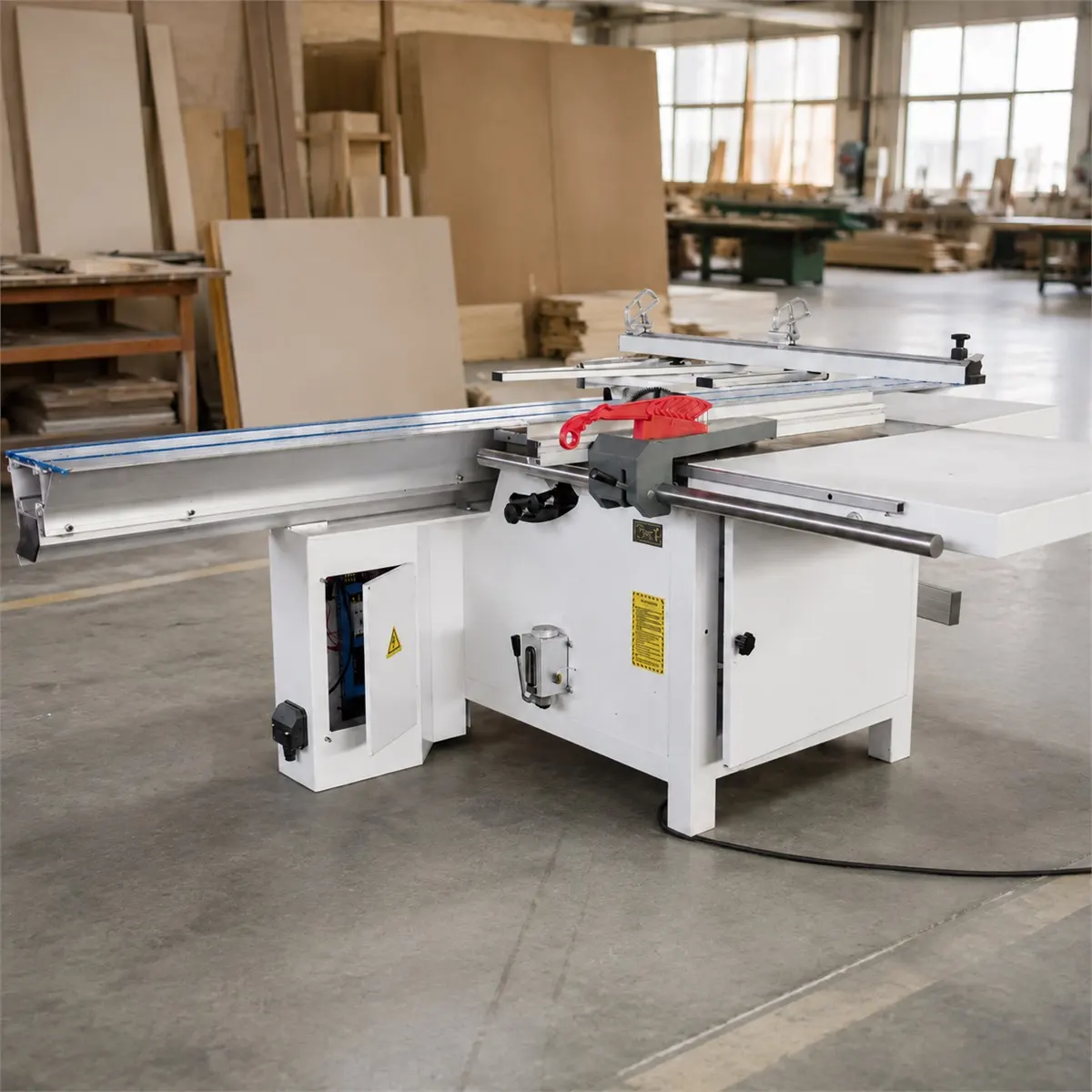
The equipment’s exterior, main structure, and key workstations are displayed to facilitate an understanding of the overall machine layout.
00:40The equipment’s exterior, main structure, and key workstations are displayed to facilitate an understanding of the overall machine layout.
01:19The demonstration showcases the continuous operational sequence of equipment startup, material feed positioning, and panel cutting.
00:08High-strength protective packaging strictly follows export standards, ensuring products remain intact during long-distance transportation.
00:37Strictly following standard loading procedures to optimize space and secure cargo, ensuring safe delivery.
Real on-site records from our factory, offering a practical view of our production capability and delivery readiness.
Our team is ready to advise you on the best product configuration and procurement plan.
info@eascoutia.com400 158 58991. It is commonly used for factories, fabrication shops, production cells and custom-processing workshops, subject to the selected model and site conditions.
2. Match material type, work size, capacity, accuracy, speed, control method, power and extraction needs to the actual workload and operating environment.
3. Confirm model, working area, power, tooling, control system and optional fixtures, then verify the response time and any special requirements.
4. Prepare rated utilities, safe operating clearance, ventilation or dust extraction and operator training; follow the manual for operation, inspection and routine maintenance.
 Simplified explanation