Seal the upper engine compartment to prevent dust and foreign objects from entering.
 Gas Supply Assurance for the Packaging Line


Construction, Earthmoving and Site Operations with Conventional quadrature, variable frequency 5. 5-7. 5-11...
Conventional quadrature, variable frequency 5. 5-7. 5-11 KW is suited to construction sites, utility work, landscaping and earthmoving projects. It supports excavation, compaction, drilling or site preparation matched to access, ground and workload. Before deployment, confirm operating weight, working range, power, ground pressure, attachment needs and transport limits.
 Precision machining air supply
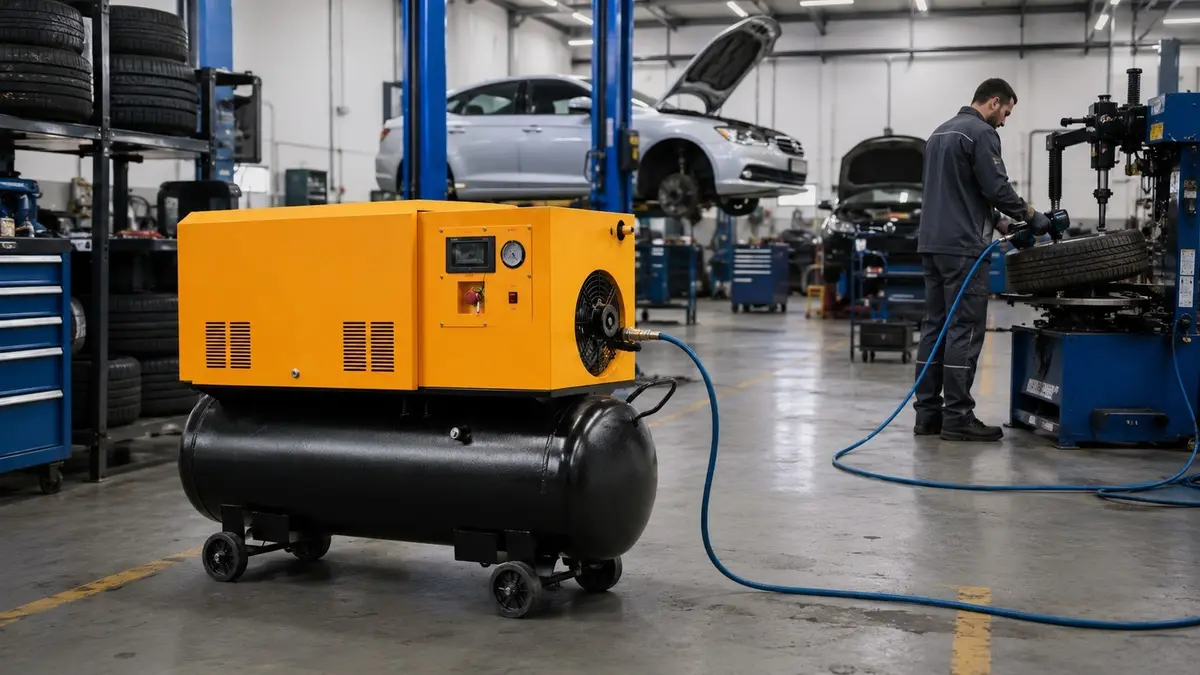 Automotive repair workstation equipment
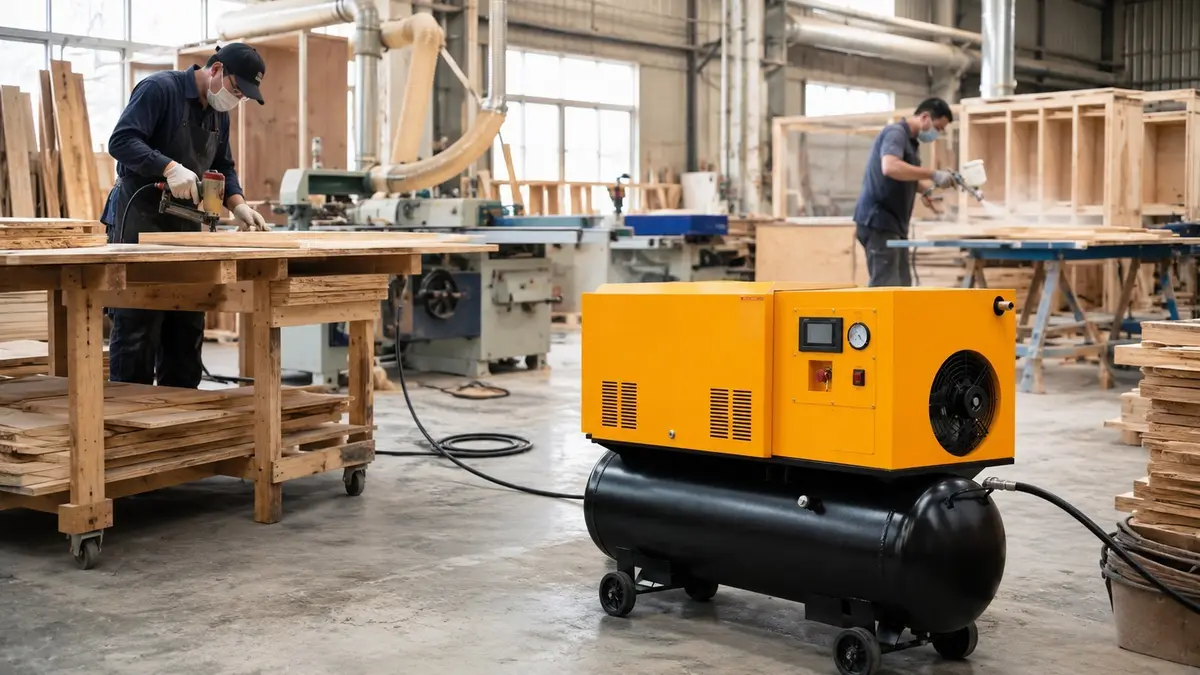 Woodworking supportGas Supply Assurance for the Packaging Line
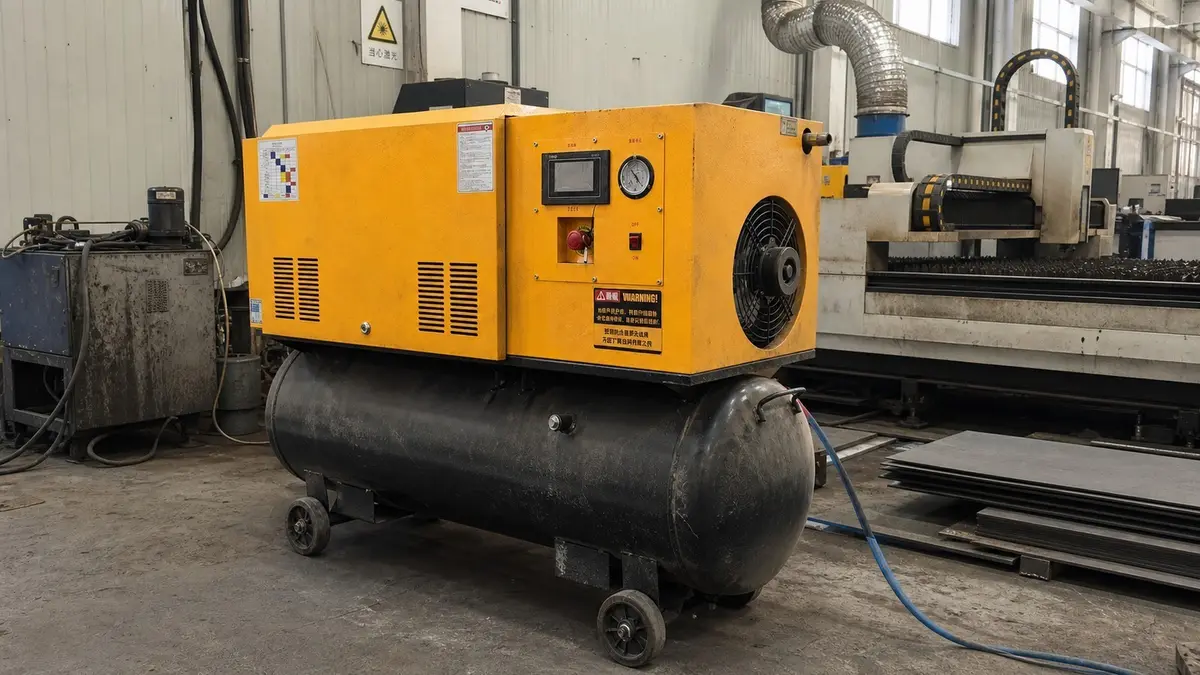 Integrated gas supply for laser processingPrecision machining air supplyAutomotive repair workstation equipment

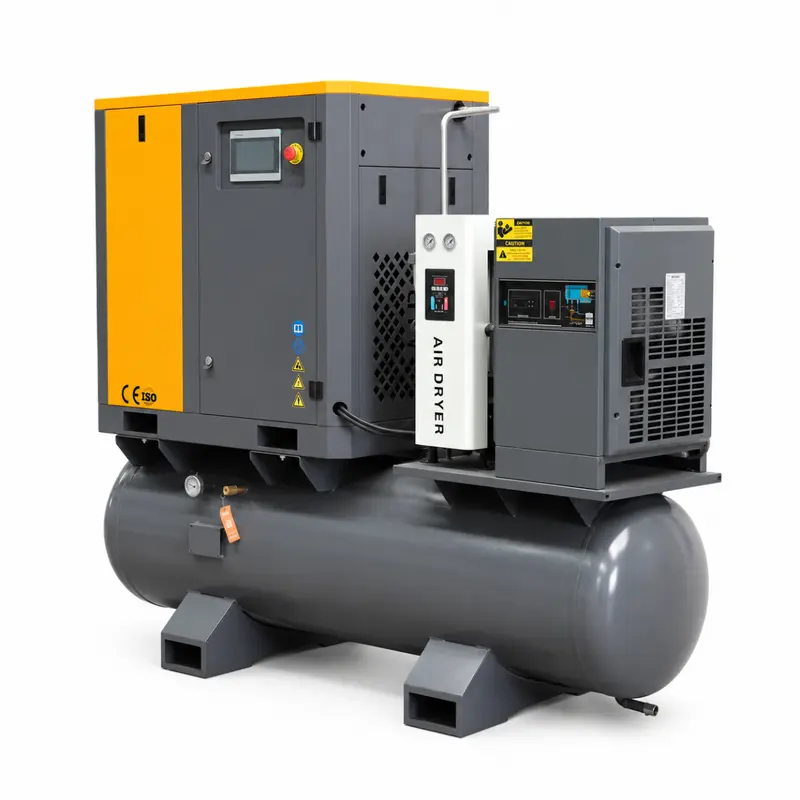
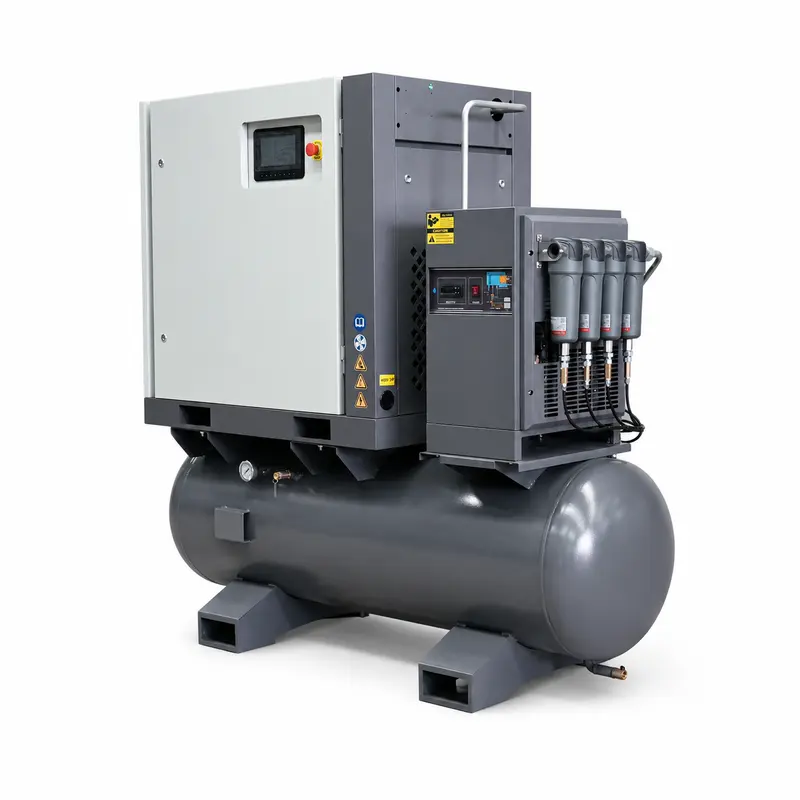
Seal the upper engine compartment to prevent dust and foreign objects from entering.
Encases core components, balancing protection with noise reduction during operation.
Pressure and status are displayed in a centralized manner, ensuring intuitive and convenient operation.
Accelerates cabin air circulation and enhances equipment cooling efficiency.
The motor is integrated with the compressor host, delivering stable compression power.
Connect the host to the gas storage tank, ensuring a stable and reliable structure.
Store compressed air to stabilize pressure and reduce airflow fluctuations.
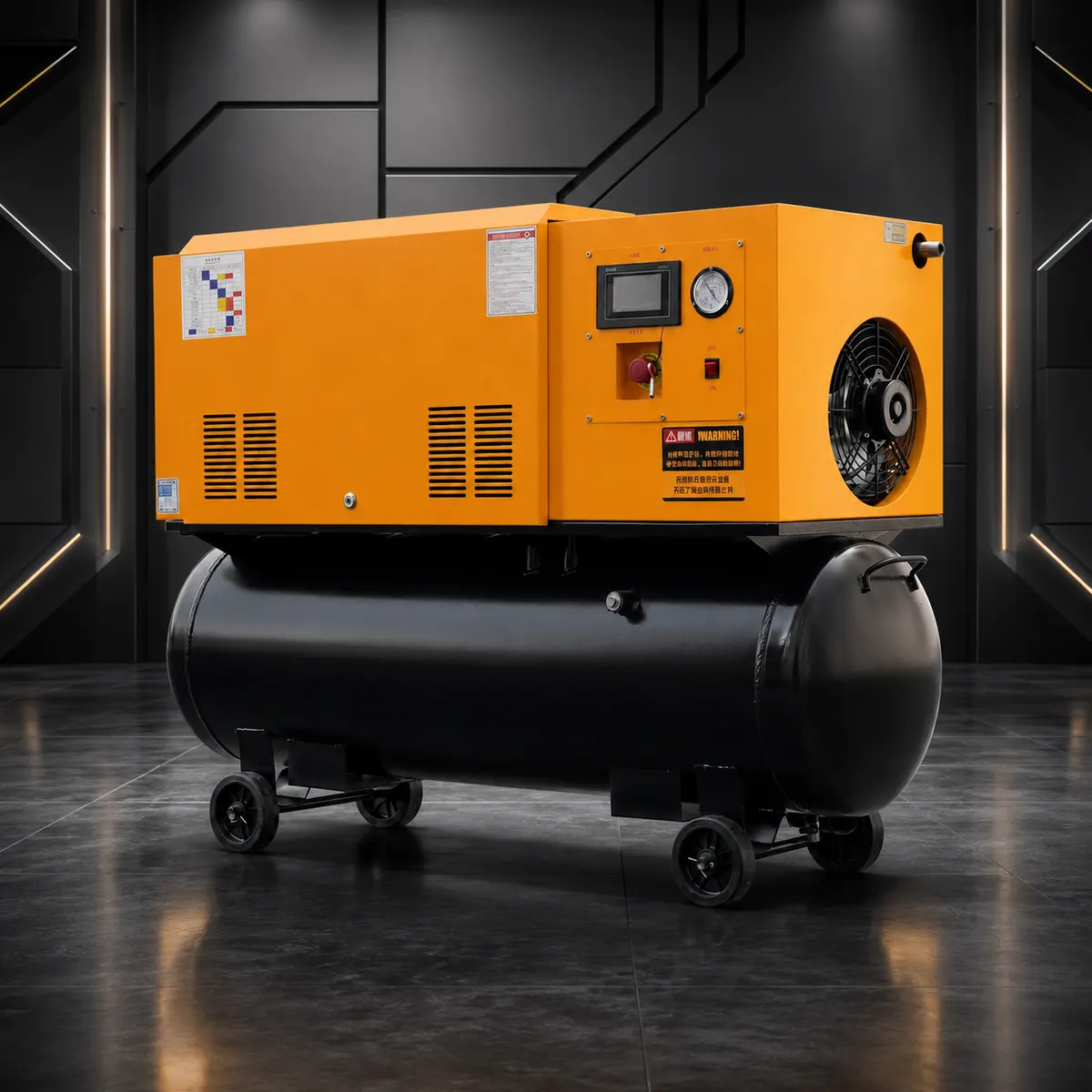
Static display of equipment
00:17Static display of equipment
00:14Static display of equipment
Real on-site records from our factory, offering a practical view of our production capability and delivery readiness.
Our team is ready to advise you on the best product configuration and procurement plan.
info@eascoutia.com400 158 58991. It is commonly used for construction sites, utility work, landscaping and earthmoving projects, subject to the selected model and site conditions.
2. Match operating weight, working range, power, ground pressure, attachment needs and transport limits to the actual workload and operating environment.
3. Confirm model, power, working attachment, cab or control type and spare parts, then verify the response time and any special requirements.
4. Prepare safe unloading space, stable ground, operator training and fluid, fastener and safety-device checks; follow the manual for operation, inspection and routine maintenance.



 Simplified explanation