Protect the equipment’s top structure and enhance the unit’s sealing performance and overall protection capability.
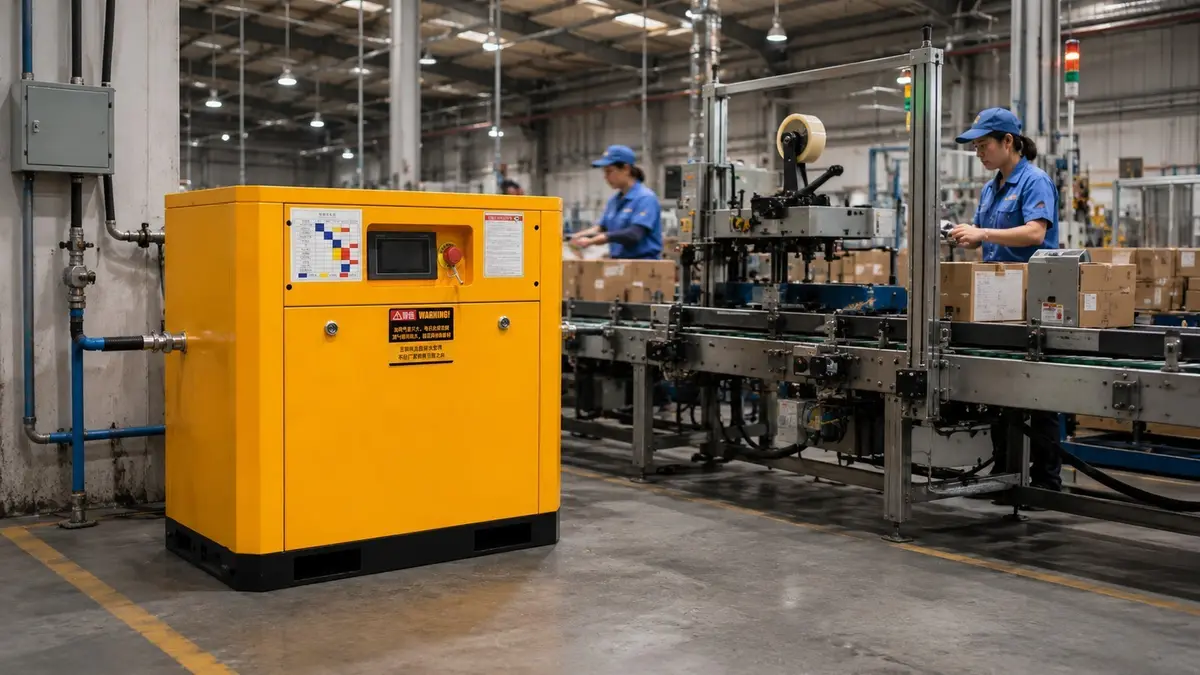 Gas supply for the packaging line


Construction, Earthmoving and Site Operations with General single frequency 7. 5KW
General single frequency 7. 5KW is suited to construction sites, utility work, landscaping and earthmoving projects. It supports excavation, compaction, drilling or site preparation matched to access, ground and workload. Before deployment, confirm operating weight, working range, power, ground pressure, attachment needs and transport limits.
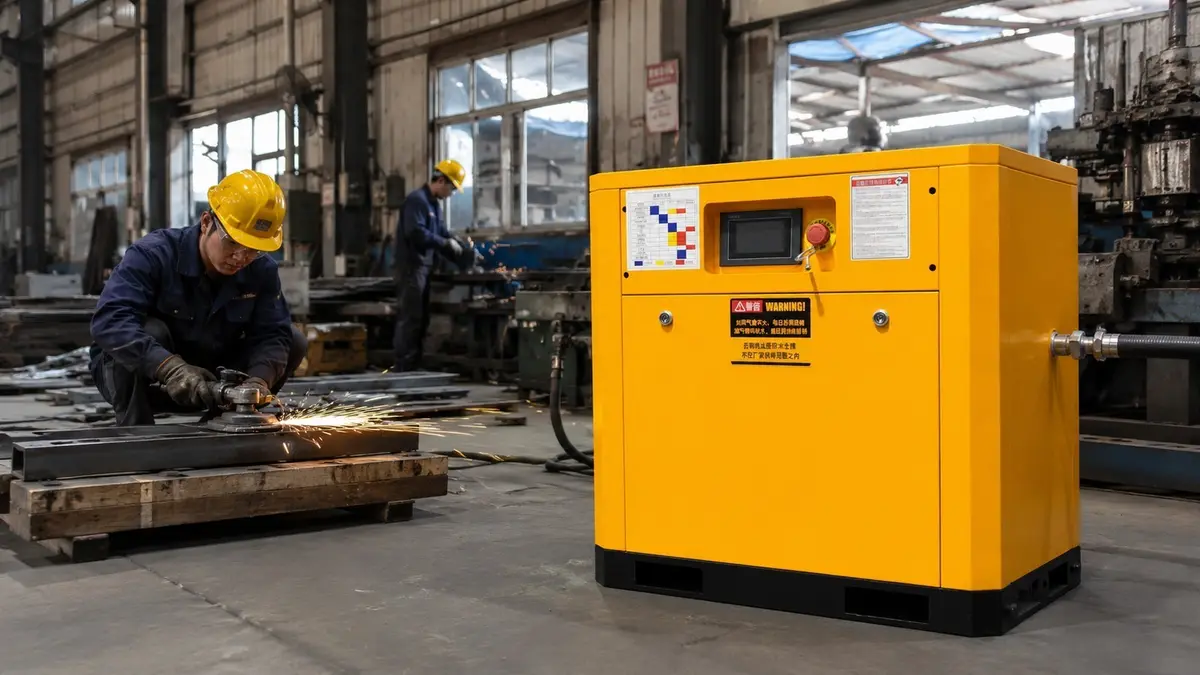 Gas supply for metalworking
 Woodworking production support
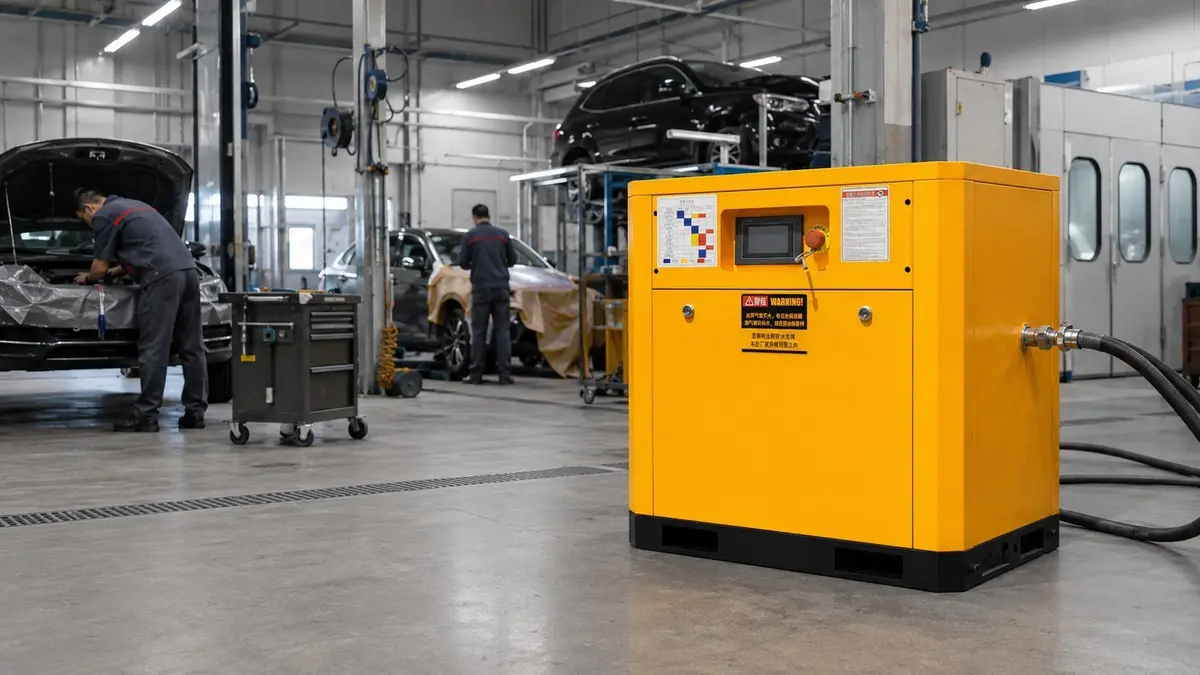 Air supply for auto repair baysGas supply for the packaging line
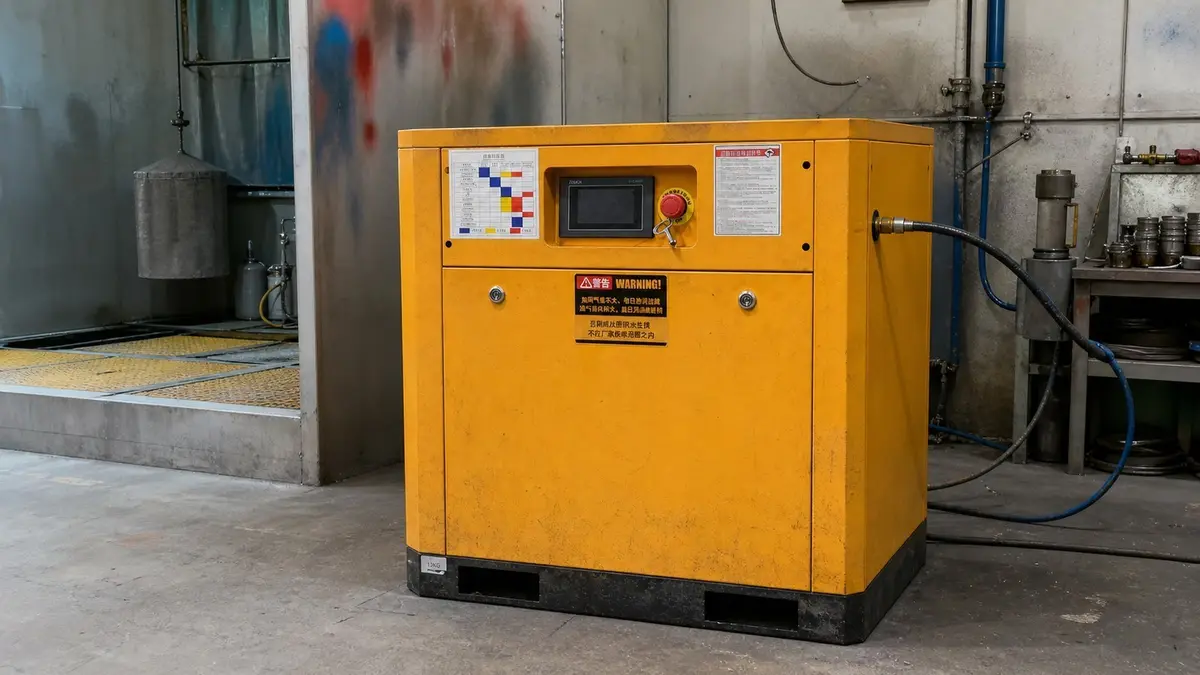 Industrial spray air supplyGas supply for metalworkingWoodworking production support

Protect the equipment’s top structure and enhance the unit’s sealing performance and overall protection capability.
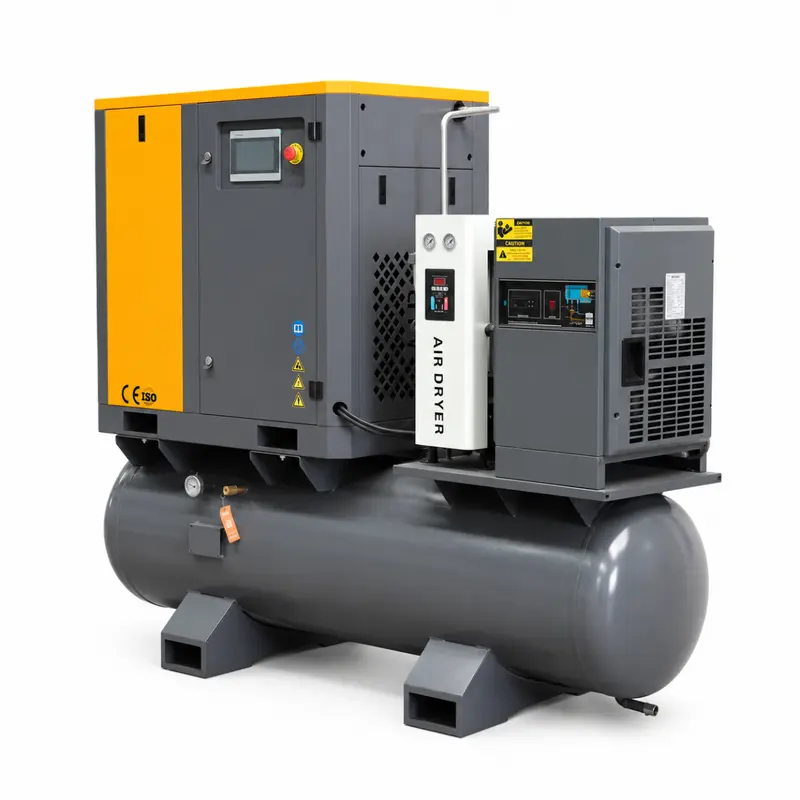
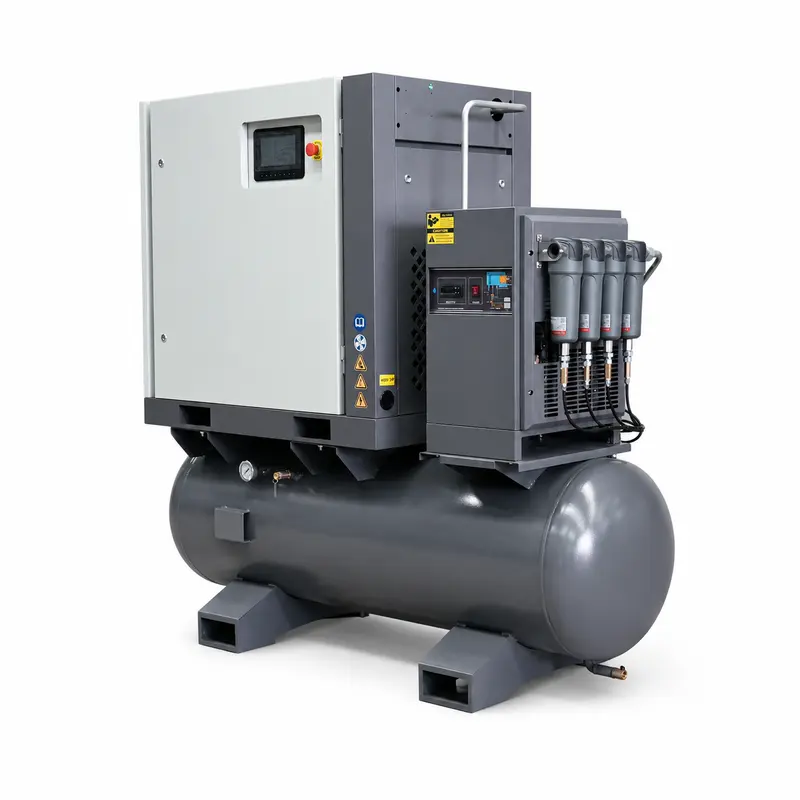
Modular side-panel design for easy disassembly and maintenance, safeguarding internal components.
Integrates a display screen and an emergency stop button to enable intelligent equipment control.
It supports the core operating components and ensures the equipment’s structural stability and reliability.
The internal power system provides continuous and stable power for equipment operation.
Optimizes airflow to assist in dissipating heat from internal components.
Separates impurities from the operating medium, enhancing equipment efficiency.

Real on-site records from our factory, offering a practical view of our production capability and delivery readiness.
Our team is ready to advise you on the best product configuration and procurement plan.
info@eascoutia.com400 158 58991. It is commonly used for construction sites, utility work, landscaping and earthmoving projects, subject to the selected model and site conditions.
2. Match operating weight, working range, power, ground pressure, attachment needs and transport limits to the actual workload and operating environment.
3. Confirm model, power, working attachment, cab or control type and spare parts, then verify the response time and any special requirements.
4. Prepare safe unloading space, stable ground, operator training and fluid, fastener and safety-device checks; follow the manual for operation, inspection and routine maintenance.



 Simplified explanation